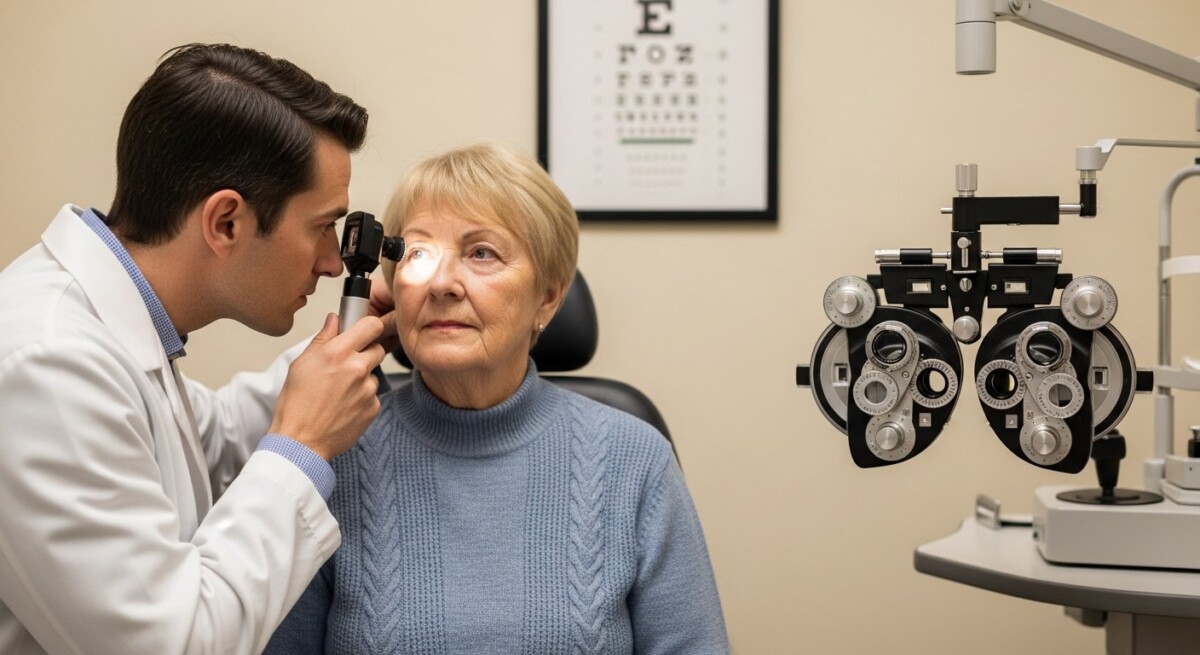
What Does Medicare Cover for Vision Care?
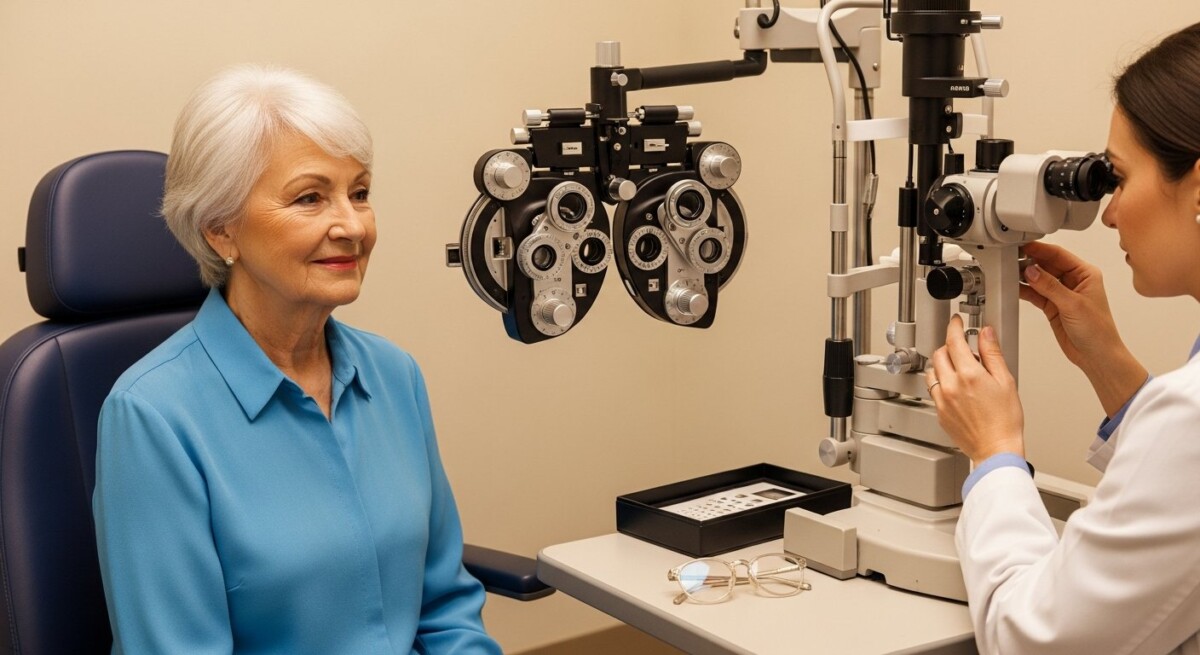
When you first enroll in Medicare, you might assume that routine eye exams, glasses, and contact lenses are included. After all, vision is a critical component of overall health. However, the reality is more nuanced. Original Medicare (Part A and Part B) provides very limited vision coverage, focusing primarily on medical treatments for eye diseases and injuries rather than routine eye care. Understanding exactly what is covered and what is not can save you from unexpected out-of-pocket costs and help you plan for better eye health. This guide breaks down every aspect of Medicare vision coverage, from what Original Medicare includes to how Medicare Advantage plans fill the gaps.
Original Medicare: What Part A and Part B Cover for Your Eyes
Original Medicare consists of Part A (hospital insurance) and Part B (medical insurance). For vision, Part B is the more relevant component because it covers medically necessary services. This means that if you have a specific eye condition, disease, or injury, Medicare will pay for diagnostic tests, treatments, and surgeries. Routine eye exams for glasses or contact lenses are not covered. The same applies to most eyeglasses and contact lenses, with one important exception.
Part B does cover an annual eye exam for people at high risk for glaucoma, such as those with diabetes, a family history of glaucoma, or African Americans aged 50 and older. It also covers cataract surgery and one pair of standard eyeglasses or contact lenses after the surgery. Additionally, Part B covers treatment for conditions like macular degeneration, diabetic retinopathy, and retinal detachment. In our guide on Blue Medicare Card: Easy Access to Your Medicare Coverage, we explain how to access these benefits using your Medicare card.
Here is a quick summary of what Original Medicare covers for vision:
- Glaucoma screening: Once every 12 months for high-risk individuals.
- Diabetic retinopathy exams: Annual eye exams for people with diabetes.
- Cataract surgery: Covered when medically necessary, including standard intraocular lens implant.
- Post-cataract glasses: One pair of standard eyeglasses or contact lenses after cataract surgery.
- Treatment for eye diseases: Macular degeneration, retinal detachment, and other conditions are covered.
It is critical to note that Medicare does not cover routine eye exams for refractive errors (nearsightedness, farsightedness, astigmatism) or the cost of eyeglasses or contact lenses unless you have had cataract surgery. If you need vision correction, you will pay 100% out of pocket under Original Medicare. However, many people find that the cost of a routine eye exam and glasses is manageable, especially when compared to the cost of treating advanced eye disease.
Medicare Advantage Plans: The Vision Coverage Solution
Medicare Advantage (Part C) plans are offered by private insurance companies approved by Medicare. These plans must provide at least the same coverage as Original Medicare, but many offer additional benefits, including routine vision care. In fact, vision coverage is one of the most common extra benefits in Medicare Advantage plans. If you want routine eye exams, glasses, and contact lenses covered, a Medicare Advantage plan is often the best route.
Most Medicare Advantage plans include an annual routine eye exam with a low copayment or even no cost. Many plans also provide an allowance for eyeglasses or contact lenses, typically ranging from $100 to $300 every year or every two years. Some plans offer discounts on additional pairs of glasses or laser vision correction. The specifics vary by plan and by county, so it is essential to compare plans in your area. For example, a plan might cover a $150 allowance for frames and $100 for lenses, but you may have to use network providers. If you choose out-of-network, you might pay more or receive no coverage.
To maximize your vision benefits, look for a Medicare Advantage plan that fits your needs. You can use the plan comparison tools on NewMedicare.com to see which plans offer the best vision coverage in your region. When evaluating plans, check the summary of benefits for details on copayments, deductibles, and maximum allowances. Some plans also include coverage for other eye-related services, such as low-vision aids and occupational therapy for vision loss.
Medigap and Vision Coverage: What You Need to Know
Medigap (Medicare Supplement Insurance) plans help pay for some of the out-of-pocket costs that Original Medicare does not cover, such as copayments, coinsurance, and deductibles. However, Medigap plans do not add extra benefits like routine vision care. If you have Original Medicare and a Medigap policy, you still get the same limited vision coverage from Medicare Part B. Medigap will cover your Part B coinsurance for covered services, but it will not pay for routine eye exams, glasses, or contact lenses.
For example, if you have a cataract surgery and need post-surgery glasses, Medicare Part B covers the glasses, and Medigap would cover your 20% coinsurance. But if you simply want an annual eye exam and new glasses, you pay entirely out of pocket. This is why many beneficiaries who have Medigap also purchase a separate stand-alone vision insurance policy or pay out of pocket for routine care. Alternatively, you could switch to a Medicare Advantage plan that includes vision benefits, but that means leaving Original Medicare and Medigap behind.
Understanding the trade-offs is important. Medigap offers predictable out-of-pocket costs for medical and hospital services, but you sacrifice the extra benefits that come with Medicare Advantage. If vision care is a priority for you, and you want routine coverage, Medicare Advantage might be the better choice. On the other hand, if you have significant medical needs and prefer the freedom to see any doctor who accepts Medicare, Original Medicare plus Medigap might be worth the extra cost for vision care. For more details on cost trends, see Does Medicare Cost Go Up Every Year? How to Prepare for Increases.
How to Get Vision Coverage If You Have Original Medicare
If you are enrolled in Original Medicare and want routine vision coverage, you have several options. The simplest is to pay for routine eye exams and glasses out of pocket. For many people, the cost is reasonable, especially if you only need an exam every year or two. However, if you have chronic eye conditions or require expensive corrective lenses, you might consider a stand-alone vision insurance plan. These plans are sold by private insurers and typically cover an annual exam, a glasses allowance, and discounts on additional services.
Another option is to enroll in a Medicare Advantage plan during the Annual Enrollment Period (October 15 to December 7) or during a Special Enrollment Period if you qualify. Before switching, compare the total costs, including premiums, deductibles, and copayments, with what you currently pay. Also, check whether your current eye doctors are in the plan’s network. Some Medicare Advantage plans have limited provider networks, which could restrict your choices. If you have a trusted ophthalmologist or optometrist, confirm they accept the plan before enrolling.
Finally, consider that some eye care providers offer discount programs or membership plans that reduce the cost of exams and glasses. These are not insurance, but they can save you money if you pay out of pocket. Always ask your provider about available discounts. For a deeper look at how Medicare covers specific procedures, read Can Medicare Cover Braces? How to Navigate Your Benefits, which explains the medical necessity criteria.
Common Vision Services Not Covered by Medicare
Understanding what Medicare does not cover is just as important as knowing what it covers. Many beneficiaries assume that because Medicare covers cataract surgery, it will also cover routine eye care. That is not the case. Here are the most common vision services that Original Medicare does not cover:
- Routine eye exams: Exams to check for refractive errors or to update glasses prescriptions are not covered.
- Eyeglasses and contact lenses: Not covered unless you have had cataract surgery. Even then, only standard frames and lenses are covered.
- Progressive lenses or bifocals: If you need special lenses after cataract surgery, you may have to pay the difference in cost.
- Laser vision correction (LASIK): Considered elective and not covered by any part of Medicare.
- Low-vision aids: Devices like magnifiers or special glasses for low vision are not covered.
If you have a Medicare Advantage plan, check your plan’s benefits to see if any of these services are included. Some plans cover routine exams and an allowance for glasses, but few cover LASIK or low-vision aids. Always read the fine print and ask the plan directly if you have questions.
Maximizing Your Vision Benefits with Medicare
To get the most out of your Medicare vision coverage, take a proactive approach. First, schedule your covered screenings. If you have diabetes or are at high risk for glaucoma, make sure you get your annual eye exam. Early detection of conditions like diabetic retinopathy or glaucoma can prevent vision loss and reduce long-term costs. Second, if you need cataract surgery, plan ahead. Medicare covers the surgery and one pair of standard glasses afterward. Choose your frames and lenses carefully, as you will pay the difference for upgrades.
Third, if you are considering a Medicare Advantage plan, evaluate the vision benefits carefully. Look for plans that offer an annual exam with a low copay and a generous glasses allowance. Some plans also include coverage for contact lenses and fitting fees. Use the NewMedicare.com plan comparison tool to filter plans by vision benefits. Finally, if you have Original Medicare and want to avoid surprise bills, ask your eye doctor whether a service is covered before you receive it. For hospital-related eye care, such as emergency treatment for an eye injury, see Does Medicare Cover 100 Percent of Hospital Bills? A Complete Guide to Understanding Your Coverage.
Frequently Asked Questions
Does Medicare cover eye exams for glasses?
Original Medicare does not cover routine eye exams for glasses or contact lenses. However, Medicare Advantage plans often include annual routine eye exams. Check your specific plan for details.
Is cataract surgery covered by Medicare?
Yes, Medicare Part B covers cataract surgery when it is medically necessary. It also covers one pair of standard eyeglasses or contact lenses after surgery.
Does Medicare cover glasses for seniors?
Only in limited circumstances. Original Medicare covers glasses only after cataract surgery. Medicare Advantage plans may offer an annual glasses allowance.
Can I get vision insurance with Original Medicare?
Yes, you can purchase a stand-alone vision insurance plan from a private insurer. These plans typically cover routine exams and provide an allowance for glasses or contacts.
What is the difference between vision coverage in Original Medicare vs. Medicare Advantage?
Original Medicare covers only medically necessary eye care. Medicare Advantage plans often add routine vision benefits, including exams and glasses, but may have network restrictions.
If you still have questions about your specific situation, the licensed agents at NewMedicare.com can help. Call us at 833-203-6742 for personalized assistance.
Vision health is an essential part of your overall well-being. While Original Medicare leaves many routine vision services uncovered, there are clear pathways to get the care you need. Whether you choose a Medicare Advantage plan, a stand-alone vision policy, or pay out of pocket, understanding your options ensures you never have to compromise on your eye health. Start by reviewing your current coverage, comparing plans during open enrollment, and asking your eye doctor about costs upfront. With the right approach, you can maintain clear vision without financial strain.