Does Medicare Cover Vision Exams? A Clear Guide to Your Benefits
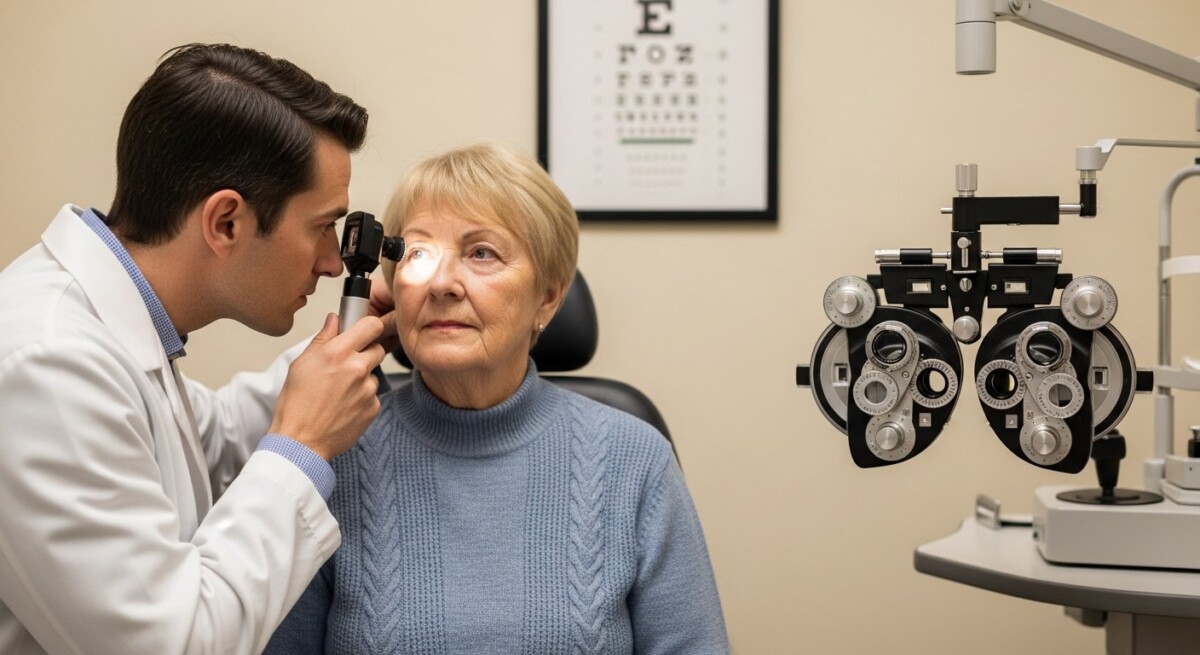
As you age, maintaining good vision becomes increasingly important for your independence and quality of life. Yet, many seniors are surprised to learn that their Original Medicare coverage does not extend to routine eye care. Understanding the nuances of Medicare coverage for vision exams is crucial to avoid unexpected bills and ensure your eye health is properly managed. This guide will clarify what is and isn’t covered, explore your options for obtaining benefits, and help you navigate the system to protect your sight and your wallet.
Original Medicare (Parts A and B) and Routine Vision Care
Original Medicare, which includes Part A (hospital insurance) and Part B (medical insurance), is designed primarily to cover medically necessary services. This fundamental distinction is key to understanding its limitations regarding vision. In general, Original Medicare does not pay for routine eye exams for eyeglasses or contact lenses. It also does not cover the cost of corrective lenses (eyeglasses or contact lenses) themselves. This exclusion often comes as a shock to new beneficiaries who assume comprehensive health insurance includes eye care. However, Medicare Part B will cover certain vision services if they are deemed medically necessary. For instance, if you have diabetes or are at high risk for glaucoma, Medicare Part B will cover an annual dilated eye exam. Similarly, if you develop cataracts, Medicare will cover the cost of cataract surgery, including standard intraocular lenses (IOLs). The rules for what qualifies as “medically necessary” are specific, and understanding your eligibility is essential.
Medicare Advantage (Part C) as an Alternative for Vision Benefits
For beneficiaries seeking more comprehensive vision coverage, Medicare Advantage (Part C) plans are the primary alternative. These plans are offered by private insurance companies approved by Medicare and are required to provide at least the same level of coverage as Original Medicare (Parts A and B). Crucially, most Medicare Advantage plans include additional benefits, which very often include routine vision care. These extra benefits can vary significantly from plan to plan, so it is vital to review the Summary of Benefits carefully. A typical Medicare Advantage plan might include an annual routine eye exam, an allowance for eyeglasses or contact lenses, and discounts on additional eyewear. Some plans may also offer coverage for more advanced services. However, these plans usually operate within a network of providers, and you may need to see an in-network optometrist or ophthalmologist to receive the full benefit. When comparing plans during the Annual Election Period, evaluating the vision benefits alongside other factors like premiums, drug coverage, and provider networks is a critical step.
Medicare Part D and Vision-Related Prescriptions
While Medicare Part D plans cover prescription drugs, their role in vision care is often overlooked. If you are prescribed eye drops for a condition like glaucoma or following cataract surgery, a Part D plan would typically cover those medications, subject to the plan’s formulary and cost-sharing rules (like copayments or coinsurance). It is important to check your plan’s formulary to ensure your specific eye drop medication is covered and to understand any prior authorization requirements. For example, expensive post-operative anti-inflammatory drops can represent a significant cost, and having Part D coverage is essential. This is a separate consideration from the exam or procedure coverage provided by Part B or a Medicare Advantage plan. Navigating prescription coverage alongside medical coverage is a common challenge, similar to understanding how Medicare coordinates with other insurance, a topic we explore in depth in our article on Medicare coverage gaps.
Specific Vision Services Covered by Medicare Part B
Let’s delve deeper into the specific scenarios where Medicare Part B does provide coverage for vision-related services. This coverage is strictly for the diagnosis or treatment of medical eye conditions, not for routine refractive vision correction. First, as mentioned, Medicare covers a yearly diabetic eye exam for beneficiaries with diabetes. This exam is critical for detecting diabetic retinopathy, a leading cause of blindness. Second, Medicare covers glaucoma tests once every 12 months for individuals at high risk. You are considered high risk if you have diabetes, a family history of glaucoma, are African American and age 50 or older, or are Hispanic American and age 65 or older. Third, Medicare Part B covers diagnostic tests and treatment for age-related macular degeneration (AMD), including certain injectable drugs. Finally, and most comprehensively, Medicare covers cataract surgery. This includes the surgical procedure, the removal of the cataract, and the implantation of a conventional intraocular lens (IOL). Medicare will also cover one pair of standard prescription eyeglasses or contact lenses from a Medicare-enrolled supplier after each cataract surgery. If you choose a more advanced lens, like a multifocal or toric lens, you will be responsible for the extra cost.
Navigating Costs and Coverage Gaps
Even when Medicare covers a service, you are still responsible for certain out-of-pocket costs. For Part B-covered services like a glaucoma test or cataract surgery, you typically pay 20% of the Medicare-approved amount after meeting your Part B deductible. This coinsurance can add up quickly for a major procedure. There is no annual cap on these out-of-pocket costs under Original Medicare, which is a significant financial risk. This potential for high costs underscores the importance of supplemental coverage. Some beneficiaries use a Medicare Supplement (Medigap) policy to help pay for Part B coinsurance and deductibles for covered services. Others opt for a Medicare Advantage plan, which may have different cost-sharing structures and an annual out-of-pocket maximum. Understanding these costs is a key part of financial planning for your healthcare, much like knowing the details of coverage for durable medical equipment, which we clarify in our resource on Medicare coverage for lift chairs.
Supplementing Your Vision Coverage: Medigap and Standalone Plans
Since Original Medicare’s vision benefits are limited, many beneficiaries look for ways to supplement their coverage. Medigap policies are standardized plans that help pay for Original Medicare’s out-of-pocket costs (deductibles, coinsurance, copayments). However, it is vital to understand that Medigap plans do not add new benefits. They only cover costs for services that Original Medicare already approves. Therefore, a Medigap plan will not pay for a routine eye exam that Medicare itself denies. Your other option is to purchase a standalone vision insurance plan from a private insurer. These plans operate independently of Medicare and typically offer benefits like annual exams, allowances for frames and lenses, and discounts on LASIK surgery. You would pay a separate monthly premium for this plan in addition to your Medicare Part B premium. When considering this route, compare the annual cost of the premium against the value of the benefits you are likely to use. For some, paying out-of-pocket for an occasional exam and glasses may be more economical than maintaining a monthly insurance plan.
Frequently Asked Questions
Does Medicare cover the cost of eyeglasses? Generally, no. The only exception is if you have cataract surgery with an IOL implant. In that case, Medicare Part B will help pay for one pair of standard eyeglasses or contact lenses after the surgery.
How often will Medicare pay for a glaucoma test? Medicare Part B covers a glaucoma test once every 12 months if you are in a high-risk group (diabetes, family history, African American aged 50+, Hispanic American aged 65+).
I have a Medicare Advantage plan with vision benefits. Can I see any eye doctor? Most Medicare Advantage plans have provider networks. To get the full vision benefit (often a low copay), you will likely need to see an eye doctor within your plan’s network. Seeing an out-of-network provider may result in higher costs or no coverage at all.
What is the difference between an optometrist and an ophthalmologist for Medicare purposes? Medicare Part B covers services from both doctors of optometry (ODs) and ophthalmologists (MDs or DOs) as long as they are Medicare-enrolled providers and the service is medically necessary. For routine vision exams not covered by Part B, you can see either, but you will pay 100% out-of-pocket unless you have supplemental vision coverage.
Does Medicare cover vision therapy or low vision aids? Medicare does not cover vision therapy (eye exercises). It may cover some low vision aids if deemed medically necessary and prescribed by a doctor, but coverage is limited and complex. For specialized needs, exploring all options is important, similar to finding specific provider networks as discussed in our guide to Kaiser Medicare coverage.
Navigating Medicare’s vision coverage rules requires careful attention to detail. The key takeaway is that preventive, routine eye care is largely your own financial responsibility under Original Medicare. To gain those benefits, you must look to a Medicare Advantage plan or a standalone vision policy. For medically necessary treatments, Medicare Part B provides crucial coverage, albeit with standard cost-sharing. Proactively managing your eye health involves understanding these distinctions, planning for out-of-pocket costs, and choosing the coverage path that best fits your health needs and budget. Regular eye exams are vital for detecting conditions like glaucoma and macular degeneration early, so even if Medicare doesn’t pay, investing in this aspect of your health is wise. For help navigating other specific coverage areas, such as dental care, our article on finding a dentist with Medicare offers a useful parallel framework.