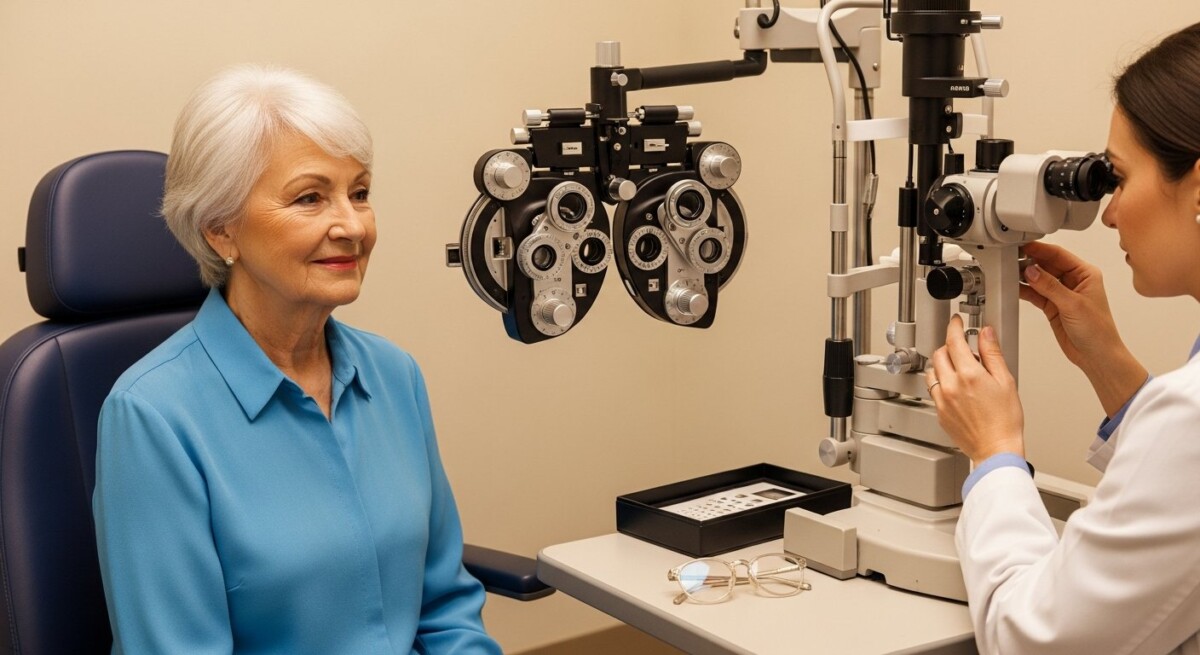
Does Medicare Cover Vision Correction Surgery in 2026
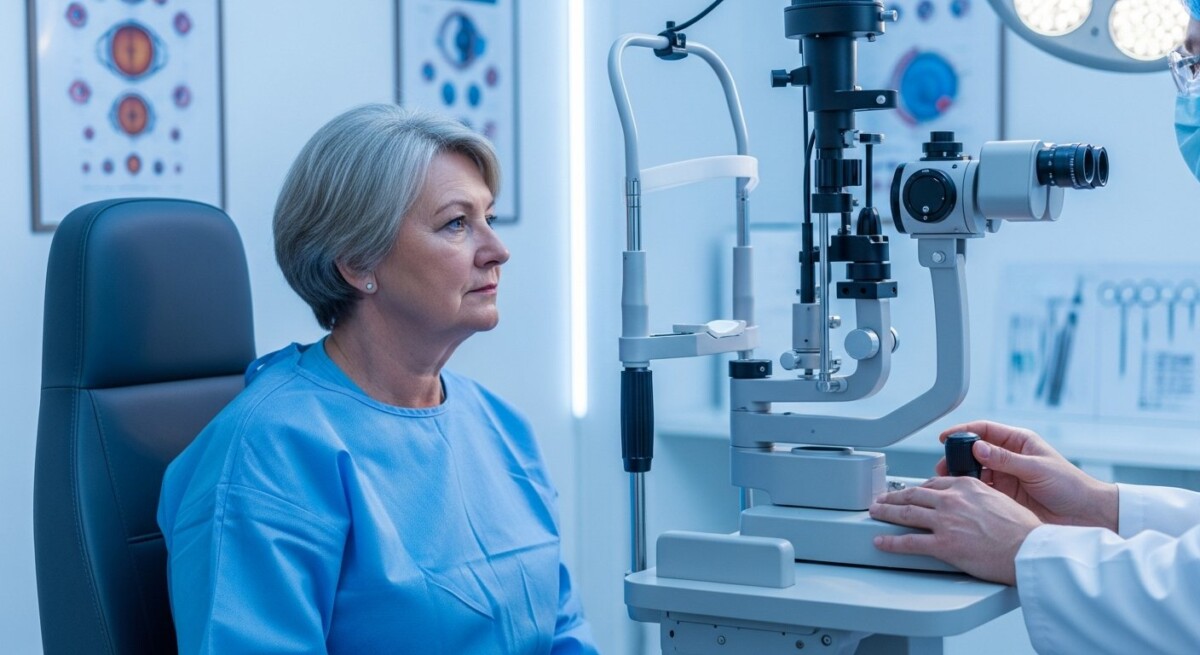
When you consider improving your eyesight through surgery, the first question that often comes to mind is whether your health insurance will help with the cost. For millions of Americans enrolled in Medicare, understanding the specifics of vision correction coverage can be confusing. While routine eye exams and eyeglasses are generally not covered under Original Medicare, there are specific circumstances where vision correction surgery may qualify for benefits. This article breaks down exactly what is and is not covered, what out-of-pocket costs you might face, and how to maximize your benefits for vision correction procedures.
What Vision Correction Surgeries Are Available
Vision correction surgery includes several different procedures designed to reduce or eliminate the need for glasses or contact lenses. The most common types are LASIK, PRK, and cataract surgery with lens replacement. Each procedure addresses different underlying issues such as nearsightedness, farsightedness, astigmatism, or age-related lens clouding. Understanding which surgeries are considered medically necessary versus elective is critical when evaluating Medicare coverage for vision correction surgery.
LASIK and PRK reshape the cornea to improve how light focuses on the retina. These are typically elective procedures performed on healthy eyes to correct refractive errors. Cataract surgery, on the other hand, removes the clouded natural lens and replaces it with an artificial intraocular lens (IOL). This surgery becomes medically necessary when cataracts impair daily activities like driving or reading. The distinction between elective and medically necessary is the main factor that determines whether Medicare will contribute to the cost.
Original Medicare and Vision Correction Surgery
Original Medicare (Part A and Part B) does not cover routine vision care or elective refractive surgeries such as LASIK or PRK. These procedures are considered cosmetic or lifestyle enhancements rather than treatments for a disease or injury. However, Medicare Part B does cover cataract surgery when a doctor determines that cataracts are significantly affecting your vision and quality of life. Part B covers the standard cataract procedure itself, including the cost of the surgeon, facility fees, and a basic monofocal IOL.
If you choose a premium IOL such as a toric lens for astigmatism or a multifocal lens for both distance and near vision, Medicare will still cover the base procedure and the standard lens. You will pay the additional cost for the upgrade out of pocket. This gap in coverage often surprises beneficiaries who expect full payment for advanced lens options. It is important to discuss these upgrade costs with your surgeon before the procedure so you understand your financial responsibility.
Does Medicare Advantage Cover Vision Correction Surgery
Medicare Advantage plans (Part C) are offered by private insurance companies and must provide at least the same level of coverage as Original Medicare. Many Advantage plans include additional benefits such as routine vision exams, allowances for eyeglasses or contact lenses, and sometimes discounts on elective procedures like LASIK. However, coverage for vision correction surgery varies widely from plan to plan.
Some Medicare Advantage plans offer a vision benefit that includes an annual eye exam and a set dollar amount toward glasses or contacts. A few plans may offer a discount on LASIK through a network of providers, but they rarely cover the full cost of elective refractive surgery. If you are considering LASIK or PRK and have a Medicare Advantage plan, review your plan’s Summary of Benefits or call the plan directly to ask about vision correction discounts or coverage. In some cases, switching to a plan with better vision benefits during the Annual Enrollment Period (October 15 to December 7) could save you money.
Medicare Coverage for Glasses and Contacts After Surgery
After cataract surgery, many patients require new glasses or contact lenses to achieve optimal vision. Original Medicare Part B covers one pair of standard eyeglasses or a set of contact lenses after cataract surgery that implants an intraocular lens. This coverage applies only when the surgery is performed by a Medicare-approved provider and is considered medically necessary. The coverage includes the frames and lenses, but there are limits on the types of frames and lens options covered.
For a more detailed breakdown of what is included and how to maximize this benefit, read our guide on Medicare coverage for glasses after cataract surgery. That article explains the specific allowances, how to find participating providers, and what to do if you want upgraded frames or lens coatings. Understanding this benefit can save you hundreds of dollars on post-surgery eyewear.
How to Qualify for Medically Necessary Vision Correction
The key to getting Medicare to pay for any vision surgery is proving medical necessity. For cataract surgery, your eye doctor must document that your cataracts are causing significant visual impairment that interferes with your ability to perform daily tasks. This typically involves a visual acuity test showing 20/40 or worse vision with glasses, along with a comprehensive eye exam that confirms the presence of cataracts.
For other types of vision correction surgery such as corneal transplants or surgery to correct severe astigmatism caused by keratoconus, Medicare may cover the procedure if it is deemed medically necessary. In these cases, your doctor must provide detailed documentation of the diagnosis, the severity of the condition, and how the surgery will improve your health or prevent further deterioration. Always ask your doctor whether your specific condition meets Medicare’s criteria for medical necessity before scheduling a procedure.
Out-of-Pocket Costs and Financial Planning
Even when Medicare covers a procedure, you are still responsible for deductibles, coinsurance, and copayments. In 2026, the Medicare Part B deductible is projected to be around $240 per year. After meeting the deductible, you typically pay 20% of the Medicare-approved amount for outpatient surgeries like cataract procedures. This means a cataract surgery that costs $3,000 could leave you with a $600 out-of-pocket bill after the deductible is met.
If you have a Medicare Supplement plan (Medigap), it may cover some or all of these out-of-pocket costs. For example, Medigap Plan G pays your Part B coinsurance after you meet the deductible. Without Medigap or a Medicare Advantage plan that includes out-of-pocket limits, you could face significant costs if complications arise or if you choose upgraded lens options. It is wise to request a written estimate from your surgeon’s office before the procedure so you can plan your finances accordingly.
What About LASIK and PRK Coverage
As of 2026, Medicare does not cover LASIK, PRK, or other elective refractive surgeries. These procedures are considered cosmetic because they are performed on otherwise healthy eyes to correct refractive errors. The Medicare statute explicitly excludes coverage for routine vision correction services. However, some Medicare Advantage plans offer discounts or rebates for LASIK through specific provider networks. These discounts typically range from 10% to 30% off the total cost, which can still represent significant savings on a procedure that averages $2,000 to $3,000 per eye.
If you are determined to have LASIK, consider using a Health Savings Account (HSA) or Flexible Spending Account (FSA) if you have one through a current employer. These accounts allow you to pay for LASIK with pre-tax dollars, effectively reducing the cost by your marginal tax rate. Some Medicare Advantage plans also allow you to use your plan’s vision allowance toward LASIK if you forgo the routine benefit for that year. Check with your plan administrator for details.
Rehabilitation and Recovery After Vision Surgery
Recovery after vision correction surgery varies by procedure. For cataract surgery, most patients experience improved vision within a few days, but full healing can take several weeks. During this time, you may need prescription eye drops, follow-up appointments, and possibly a temporary pair of glasses. Medicare covers these follow-up visits as part of the surgery benefit, provided they are performed by the same surgeon or a Medicare-approved provider.
If you experience complications such as infection, inflammation, or retinal detachment after surgery, Medicare Part A and Part B cover the necessary treatments. In some cases, additional surgery may be required, and Medicare will cover that as well if it is medically necessary. For a broader look at what Medicare covers after surgical procedures, see our article on Medicare coverage for rehabilitation after surgery. That guide explains how post-operative care, physical therapy, and follow-up services are covered across different Medicare plans.
Comparing Medicare Plans for Vision Benefits
Choosing the right Medicare plan can make a significant difference in what you pay for vision care and surgery. Original Medicare offers predictable coverage for medically necessary cataract surgery but provides no help for routine eye exams or elective procedures. Medicare Advantage plans often include vision benefits but may have network restrictions and higher out-of-pocket costs for certain services.
When comparing plans, consider the following factors:
- Whether the plan covers routine eye exams and how often (typically once per year).
- The allowance for glasses or contact lenses after cataract surgery (some plans offer $150 to $300 per year).
- Whether the plan offers discounts on LASIK or PRK through a network of providers.
- The plan’s out-of-pocket maximum and whether your preferred eye doctors are in-network.
Taking the time to compare these details during the Annual Enrollment Period can save you hundreds of dollars each year. If you currently have Original Medicare and are considering a switch, talk to a licensed insurance agent who specializes in Medicare to review your options. For those who also need hearing care, you might find our guide on Medicare coverage for hearing aids after surgery helpful for understanding how different plans bundle these benefits.
Frequently Asked Questions
Does Medicare cover LASIK for seniors?
No, Original Medicare does not cover LASIK for any age group. Some Medicare Advantage plans offer discounts on LASIK, but the procedure itself is not covered.
Does Medicare pay for cataract surgery with premium lenses?
Medicare covers the standard cataract surgery and a basic monofocal lens. If you choose a premium lens like a toric or multifocal IOL, you pay the additional cost out of pocket.
Can I use my Medicare Advantage vision benefit for LASIK?
Some Medicare Advantage plans allow you to apply your annual vision allowance toward LASIK instead of glasses or contacts. Check your plan’s Summary of Benefits or call customer service to confirm.
Does Medigap cover vision correction surgery?
Medigap plans help cover Medicare out-of-pocket costs like deductibles and coinsurance but do not add coverage for elective procedures like LASIK. They only apply when Medicare covers the service.
How often does Medicare cover eye exams?
Original Medicare covers a yearly eye exam only if you have diabetes, glaucoma, or other high-risk conditions. Medicare Advantage plans often include an annual routine eye exam as a supplemental benefit.
Planning Your Vision Surgery with Medicare
Understanding Medicare coverage for vision correction surgery requires careful review of your specific plan, the type of procedure you need, and whether it is considered medically necessary. For cataract surgery, Medicare provides robust coverage for the standard procedure and basic lens. For elective procedures like LASIK, you will need to pay out of pocket or use discounts available through some Medicare Advantage plans. Always consult with your eye doctor and your insurance provider before making a decision. If you are considering bariatric surgery as well, you may find our article on Medicare coverage for bariatric surgery in 2026 useful for understanding how medical necessity is determined for different procedures.
For personalized help comparing Medicare plans that include vision benefits, call the team at NewMedicare.com at 833-203-6742. Our licensed agents can review your current coverage, explain your options, and help you find a plan that fits your vision care needs and budget. Do not let confusing coverage rules prevent you from getting the sight improvement you deserve.