What Does Medicare Cover for Dental Care
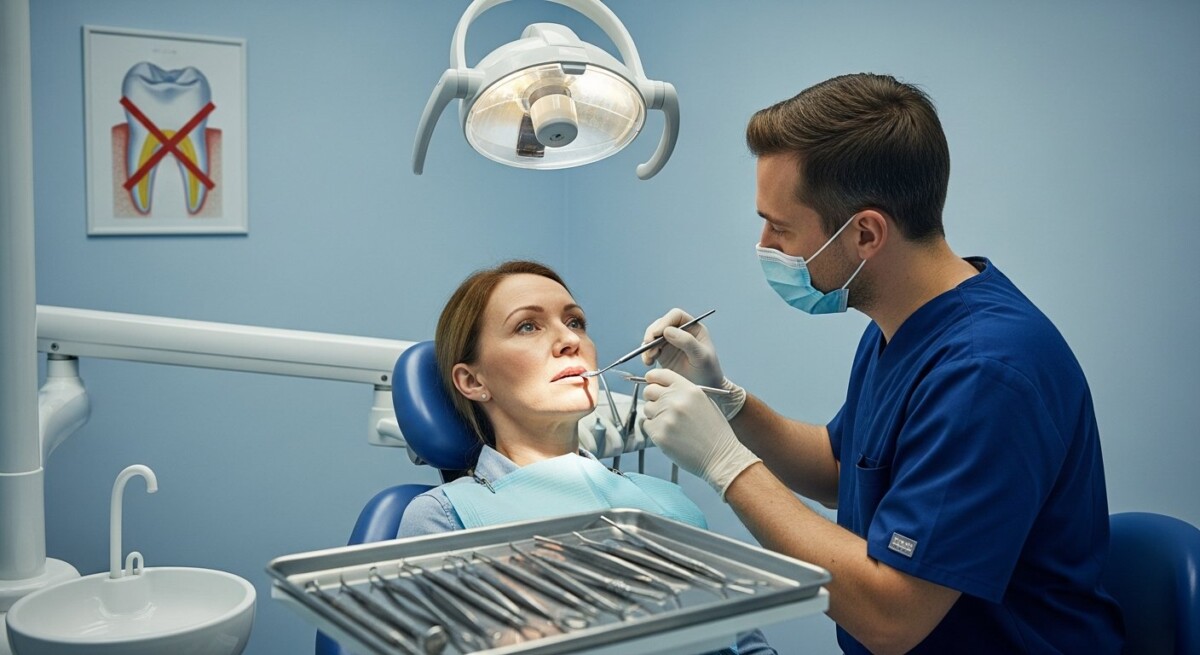
If you are approaching 65 or already enrolled in Medicare, you may wonder what does Medicare cover dental. The short answer is that Original Medicare (Part A and Part B) does not cover routine dental care like cleanings, fillings, extractions, or dentures. This gap leaves many beneficiaries paying out-of-pocket for essential oral health services. However, there are ways to get dental coverage through Medicare Advantage plans, standalone dental insurance, or discount programs. Understanding your options can save you hundreds or even thousands of dollars each year.
Medicare was designed primarily to cover hospital stays and medical treatments, not preventive or restorative dental work. Part A may pay for certain dental services if you are admitted to a hospital for an emergency procedure, but it will not cover the tooth extraction or follow-up care. Part B covers only a narrow set of dental-related services, such as oral exams before a kidney transplant or jaw reconstruction after an accident. For most routine and major dental needs, you will need separate coverage.
What Original Medicare Does and Does Not Cover
Original Medicare (Part A and Part B) explicitly excludes most dental care. Part A covers inpatient hospital stays, but if you need a tooth extraction during a hospital stay, Medicare will cover the hospital costs but not the dental procedure itself. Part B covers doctor visits and outpatient care, but it does not include routine dental exams, cleanings, fillings, crowns, bridges, or dentures. This strict separation between medical and dental coverage has been a long-standing policy.
There are very limited exceptions. Medicare Part A may cover dental services if they are part of a covered inpatient procedure, such as a jaw reconstruction after an injury or oral surgery to prepare for radiation treatment. Part B may cover oral exams before a kidney transplant or heart valve replacement, but only if the exam is performed by a dentist who accepts Medicare assignment. Even then, the coverage is for the exam only, not for any necessary dental treatment that the exam uncovers.
Emergency Dental Services in a Hospital Setting
If you have a dental emergency that requires hospitalization, Medicare Part A will cover your hospital stay, including medications, surgery, and anesthesia. However, the dental procedure itself is not covered. For example, if you fall and break your jaw, Part A covers the hospital stay and any related medical care, but the dental work to repair broken teeth or extract damaged teeth is billed separately. You would need dental insurance or pay out-of-pocket for the dental portion.
This distinction is critical to understand. Many beneficiaries assume that because Medicare covers the hospital bill, it also covers the dental procedure. That is not the case. You could end up with a large dental bill even if your hospital stay is fully covered. This gap is why many people seek additional dental coverage through Medicare Advantage or private dental plans.
Medicare Advantage Plans Often Include Dental Benefits
Medicare Advantage (Part C) plans are offered by private insurers and must provide at least the same coverage as Original Medicare. Many plans go further by including extra benefits like vision, hearing, and dental coverage. In fact, approximately 90% of Medicare Advantage plans offer some dental benefits, according to industry data. These benefits vary widely by plan and by state.
Dental coverage through Medicare Advantage typically falls into two categories: preventive and comprehensive. Preventive coverage usually includes two cleanings per year, one or two exams, and sometimes X-rays. Comprehensive coverage may include fillings, extractions, crowns, dentures, and root canals. However, many plans have annual dollar caps, waiting periods for major services, and network restrictions. It is essential to review the plan’s Summary of Benefits carefully before enrolling.
Here are common features of dental coverage in Medicare Advantage plans:
- Preventive services covered at 100% with no deductible, such as exams and cleanings
- Major services like crowns and bridges covered at 50% to 80% after a deductible
- Annual maximum benefit typically ranges from $500 to $1,500
- Some plans offer no waiting period for basic services, but major services may require a 6- to 12-month wait
- Network restrictions: you must use in-network dentists to get the full benefit
The annual maximum benefit is a critical factor. If you need extensive dental work, a plan with a $1,000 annual cap may not cover the full cost. You would be responsible for the difference. Some Medicare Advantage plans offer optional dental buy-up benefits for an additional premium, which can raise the annual cap to $2,500 or more. Check the plan details to see if this option is available in your area.
Standalone Dental Insurance and Discount Plans
If you prefer Original Medicare or your Medicare Advantage plan has limited dental coverage, you can purchase a standalone dental insurance policy from private insurers. These plans function like typical dental insurance: you pay a monthly premium, and the plan covers a percentage of your dental costs. Plans often have a deductible, annual maximum, and waiting periods for major services.
Standalone dental insurance is a good option for people who need predictable coverage without switching to a Medicare Advantage plan. However, premiums can range from $20 to $60 per month depending on the level of coverage. You must also check whether your preferred dentist accepts the plan. Some plans allow you to see any dentist, but the reimbursement may be lower if you go out of network.
Another option is a dental discount plan. These are not insurance but membership programs that offer discounted rates on dental services. You pay an annual fee, and you receive 10% to 60% off services from participating dentists. Discount plans have no deductibles, no annual maximums, and no waiting periods. They can be a cost-effective solution for people who need immediate dental work and cannot find affordable insurance.
Medigap Policies and Dental Coverage
Medigap (Medicare Supplement Insurance) policies are designed to fill gaps in Original Medicare, such as copayments, coinsurance, and deductibles. However, Medigap policies do not cover dental care. If you have Original Medicare and a Medigap policy, you still need separate dental coverage for routine and major dental services. Medigap only covers what Original Medicare covers, and since Original Medicare excludes dental, Medigap excludes it as well.
This is a common misconception. Many beneficiaries assume that Medigap provides comprehensive coverage, but it strictly supplements Parts A and B. If you want dental coverage, you must either switch to a Medicare Advantage plan that includes dental or purchase a standalone dental policy. For a deeper dive into how Medicare costs change annually, see our guide on Does Medicare Cost Go Up Every Year? How to Prepare for Increases.
How to Find Dental Coverage That Fits Your Needs
Choosing the right dental coverage requires evaluating your oral health needs, budget, and preferred dentists. Start by assessing whether you need only preventive care or if you anticipate major work like crowns or dentures. If you are generally healthy and only need cleanings and exams twice a year, a Medicare Advantage plan with basic preventive coverage may suffice. If you need extensive work, look for a plan with a higher annual maximum or consider standalone dental insurance.
Next, check provider networks. If you have a trusted dentist, confirm they accept the plan you are considering. Many Medicare Advantage dental plans have limited networks, and going out of network can result in higher costs or no coverage at all. Standalone dental insurance often offers more flexibility, but you must verify participation.
Finally, compare costs. Look at the monthly premium, deductible, coinsurance, and annual maximum. Use the Medicare Plan Finder tool at Medicare.gov or consult a licensed insurance agent. Our platform at NewMedicare.com can help you compare plans in your area and connect you with agents who specialize in dental coverage.
Frequently Asked Questions
Does Medicare cover dental implants?
Original Medicare does not cover dental implants. Some Medicare Advantage plans may cover implants if they are medically necessary, but most plans exclude them or have very limited coverage. Standalone dental insurance may cover implants after a waiting period, but the benefit is often capped at a low annual amount. Many people pay for implants out-of-pocket or use a dental discount plan.
Can I get dental coverage if I have a Medicare Savings Program?
Yes. If you qualify for a Medicare Savings Program (MSP), you may also be eligible for dental coverage through your state’s Medicaid program. Medicaid dental benefits vary by state. Some states offer comprehensive adult dental coverage, while others provide only emergency services. Contact your state Medicaid office to learn what is available.
What is the best way to get dental coverage with Medicare?
The best way depends on your situation. For many people, a Medicare Advantage plan with robust dental benefits offers the most value because it bundles medical and dental coverage into one plan. If you prefer Original Medicare, a standalone dental insurance plan or a dental discount plan can fill the gap. Compare plans based on your expected dental needs and budget.
Does Medicare cover dentures?
Original Medicare does not cover dentures. Some Medicare Advantage plans offer denture coverage, but it is usually subject to an annual maximum and may require a waiting period. Standalone dental insurance may cover a portion of denture costs after a 12-month waiting period. Discount plans can reduce the cost of dentures by 30% to 60% at participating dentists.
How much does dental coverage cost through Medicare Advantage?
Many Medicare Advantage plans include dental coverage at no additional premium beyond the plan’s monthly premium. However, some plans charge a separate dental premium of $10 to $50 per month. You may also pay copayments for specific services, such as $10 for a cleaning or 50% of the cost of a crown. Always review the plan’s Evidence of Coverage document for exact costs.
Take Action to Protect Your Smile
Understanding what does Medicare cover dental is the first step toward securing affordable oral health care. Original Medicare leaves a significant gap, but Medicare Advantage plans, standalone dental insurance, and discount programs offer practical solutions. By comparing your options and choosing coverage that matches your needs, you can avoid surprise bills and maintain good dental health. If you need help navigating your choices, contact our team at NewMedicare.com. We can guide you through plan comparisons and connect you with licensed agents who specialize in dental benefits.
For more detailed information on your Medicare card and how to access your benefits, read our article on Blue Medicare Card: Easy Access to Your Medicare Coverage. If you are considering orthodontic treatment, check out Can Medicare Cover Braces? How to Navigate Your Benefits. And for a complete look at hospital cost coverage, see Does Medicare Cover 100 Percent of Hospital Bills? A Complete Guide to Understanding Your Coverage.