
Lip Cancer: Symptoms, Risk Factors, and Modern Treatment Options
Understand lip cancer symptoms and prevention. For personalized guidance on health coverage for screenings, call 833-203-6742.

By Phillip Norwood
Compare health plans
Finding plans in your area…
Lip cancer is a specific type of oral cancer that begins in the thin, flat cells (squamous cells) lining the lips and mouth. While it may not be as widely discussed as other cancers, its impact is significant, and its development is often closely linked to preventable lifestyle factors. Understanding this condition is the first step toward prevention, early detection, and effective treatment. This comprehensive guide will explore the causes, signs, diagnosis, and evolving treatment landscape for lip cancer, providing you with the knowledge to protect your health.
What Is Lip Cancer and Who Is at Risk?
Lip cancer is categorized as a form of oral cavity cancer. It most commonly occurs on the lower lip, which receives more direct sun exposure. The primary cause is prolonged ultraviolet (UV) radiation from the sun or tanning beds, similar to skin cancer. However, other significant risk factors contribute to its development. Tobacco use in any form, including cigarettes, cigars, pipes, and chewing tobacco, dramatically increases risk. Heavy alcohol consumption, especially when combined with tobacco use, creates a synergistic effect that multiplies the danger. Other risk factors include having a fair complexion, being male (men are diagnosed more frequently), being over the age of 40, and having a history of human papillomavirus (HPV) infection, though the link to HPV is stronger for other oral cancers.
The demographics most affected are often individuals with outdoor occupations or lifestyles, such as farmers, sailors, and construction workers, who have accumulated decades of sun exposure without adequate lip protection. It is crucial to recognize that lip cancer is highly preventable in many cases. Proactive measures like using broad-spectrum lip balm with SPF 30 or higher, avoiding tobacco, and moderating alcohol intake can substantially lower your risk.
Recognizing the Early Signs and Symptoms
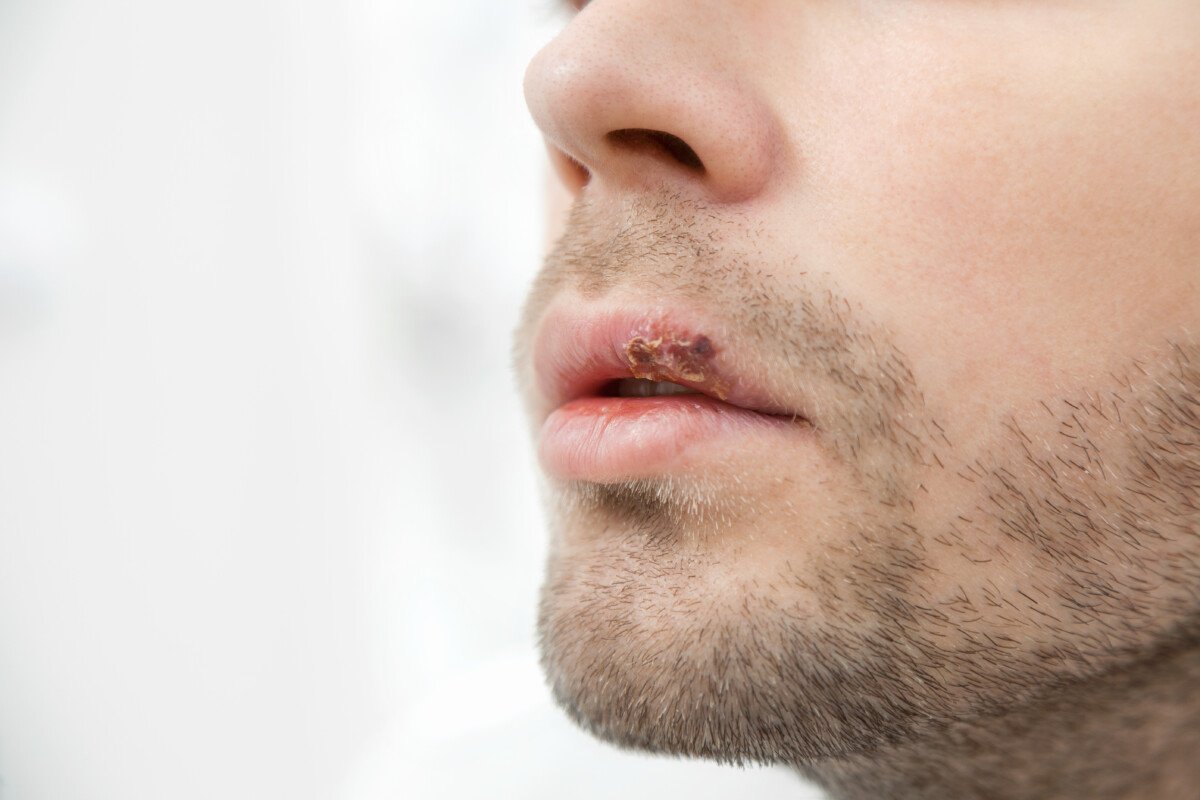
Early detection of lip cancer is paramount for a positive outcome. The survival rate for early-stage lip cancer is very high, making awareness of symptoms critical. These signs often appear on the lip itself and may be mistaken for a cold sore or a persistent blister. However, key differences exist. A cold sore typically heals within two weeks, while a cancerous lesion does not. Being vigilant about changes on your lips is essential for oral health.
Common symptoms of lip cancer include a sore, lump, or thick patch on the lip that does not heal. This may be accompanied by a white or red patch on the lip, persistent lip pain, numbness, or bleeding. You might notice a change in the voice or a feeling that something is caught in the throat. It is valuable to compare these signs with symptoms of other cancers, as a thorough self-awareness aids in early medical consultation. For a deeper understanding of symptom recognition, consider reading our resource on recognizing cancer symptoms across different types.
The Diagnostic Process for Lip Cancer
If you notice a persistent change on your lip, the diagnostic journey begins with a visit to your primary care doctor, a dermatologist, or an otolaryngologist (ENT specialist). The doctor will conduct a thorough physical examination of your lips, mouth, throat, and neck, feeling for any lumps or swollen lymph nodes. The cornerstone of diagnosis is a biopsy, where a small sample of the suspicious tissue is removed and sent to a pathology lab for analysis. This confirms whether cancer cells are present and identifies the specific type.
If cancer is confirmed, further tests are needed to determine the stage, which guides treatment. Staging involves assessing the tumor’s size and depth (T), whether it has spread to lymph nodes (N), and the presence of distant metastasis (M). This process may include imaging tests like CT scans, MRI scans, or PET scans to get a detailed view of the head, neck, and chest. A thorough staging process ensures the treatment plan is tailored precisely to the individual’s disease.
Modern Treatment Options and Advances
Treatment for lip cancer is highly individualized, depending on the cancer’s stage, location, the patient’s overall health, and personal preferences. For very small, early-stage cancers, a simple surgical excision may be the only treatment needed. This procedure removes the tumor along with a margin of healthy tissue to ensure all cancer cells are gone. For larger tumors, more extensive surgery, known as a wide local excision, may be required. In cases where the cancer has spread, a neck dissection to remove affected lymph nodes might be necessary.
Reconstructive surgery is often performed simultaneously to restore the lip’s appearance and function, which is vital for eating, drinking, and speaking. Beyond surgery, other standard treatments include radiation therapy, which uses high-energy beams to destroy cancer cells, and chemotherapy, which uses drugs. A significant advancement in cancer care is the development of targeted therapies and immunotherapies. These treatments work differently than chemotherapy by specifically targeting cancer cell mechanisms or boosting the body’s own immune system to fight the cancer. To understand this innovative approach better, explore our detailed guide on modern immunotherapy treatments for cancer.
The choice of treatment often involves a multidisciplinary team, including a surgical oncologist, a radiation oncologist, a medical oncologist, a reconstructive surgeon, and a dentist. This team collaborates to design the most effective plan with the best possible cosmetic and functional outcomes.
Prevention and Proactive Health Measures
Prevention is the most powerful tool against lip cancer. The strategies are straightforward but require consistent practice. The most critical step is daily sun protection for your lips. Use a lip balm or lipstick with a sun protection factor (SPF) of 30 or higher every day, year-round, and reapply it every two hours when outdoors. Wear a wide-brimmed hat that shades your face and lips. Avoid peak sun intensity between 10 a.m. and 4 p.m. when possible.
Eliminating tobacco in all forms is non-negotiable for prevention. If you use tobacco, seek help to quit through counseling, support groups, or medications. Limit alcohol consumption, as defined by dietary guidelines (up to one drink per day for women and two for men). Finally, maintain regular dental check-ups. Your dentist or dental hygienist is often the first to notice abnormal changes in your oral cavity during a routine cleaning and exam. They can perform a quick oral cancer screening, checking your lips, gums, tongue, and the inside of your cheeks.
Frequently Asked Questions About Lip Cancer
Is lip cancer the same as mouth cancer?
Lip cancer is a specific type of oral (mouth) cancer. Oral cancer can occur on the tongue, gums, inner cheeks, roof, and floor of the mouth. Lip cancer refers specifically to cancers originating on the upper or lower lip.
How quickly does lip cancer spread?
The growth rate varies. Early-stage lip cancer is often slow-growing and localized. However, if left untreated, it can invade deeper tissues, spread to lymph nodes in the neck, and, in advanced cases, to other parts of the body. This underscores the importance of early diagnosis.
What does early-stage lip cancer look like?
It may appear as a pale or white patch (leukoplakia), a red patch (erythroplakia), a sore that bleeds easily and won’t heal, a lump, or an area of crusting or scaling. Any lesion on the lip that persists for more than two weeks should be evaluated by a doctor.
Can young people get lip cancer?
While it is most common in people over 50, lip cancer can occur at any age, especially in individuals with significant sun exposure or who use tobacco products. Younger patients may also be at risk due to HPV infection.
What is the survival rate for lip cancer?
The prognosis is generally very good when detected early. The overall 5-year survival rate for localized lip cancer (cancer that has not spread) is over 90%. Survival rates decrease if the cancer has spread to lymph nodes or distant sites, highlighting the critical need for prompt treatment.
Lip cancer is a serious but highly preventable and treatable disease. Your first line of defense is sun protection and avoiding known risk factors like tobacco. Your most powerful action is vigilance: knowing the signs and seeking medical advice promptly for any persistent change on your lips. With advances in surgical techniques, radiation, and systemic therapies like immunotherapy, treatment outcomes continue to improve. By integrating preventive habits into your daily life and staying informed, you take control of your oral and overall health. If you have concerns about changes in your lips or questions about cancer screening, consulting with a healthcare professional is always the recommended course of action.
Compare health plans
Finding plans in your area…