
Does Vaping Cause Lung Cancer? The Science Explained
Understand the science behind vaping and lung cancer risk. For personalized guidance, call 833-203-6742.

By Phillip Norwood
Compare health plans
Finding plans in your area…
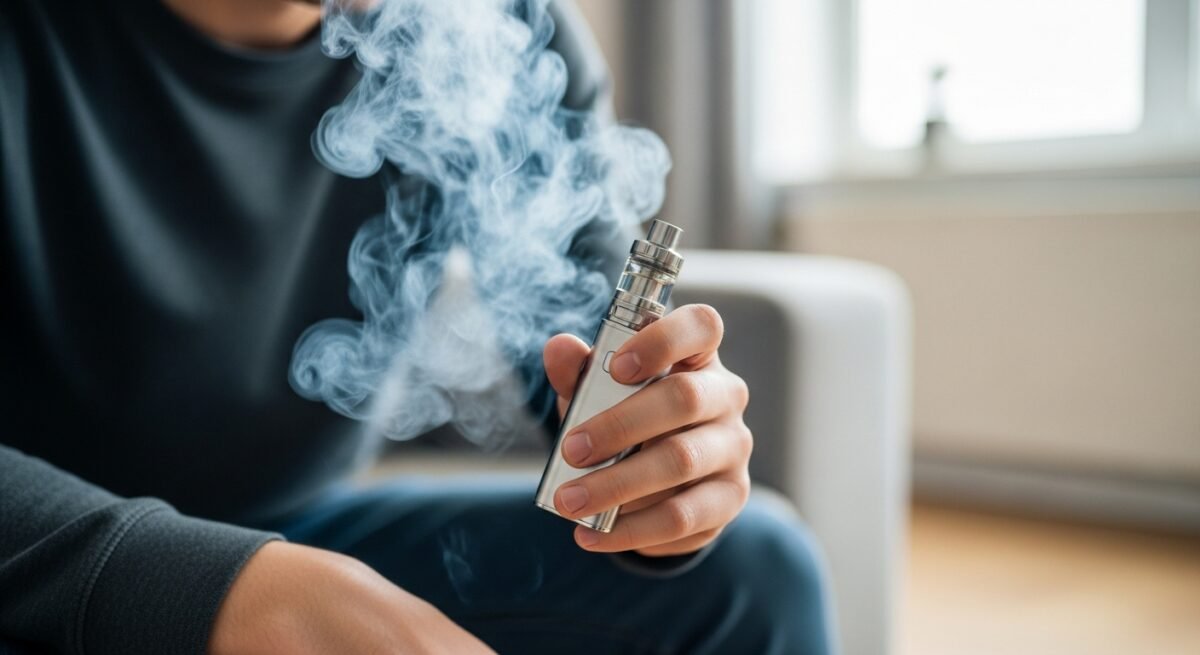
The sleek device emits a flavored mist, not the acrid smoke of a traditional cigarette. This modern alternative, vaping, has been marketed as a safer choice, a tool for smoking cessation. Yet, a critical question lingers in the minds of users, parents, and healthcare providers alike: does vaping cause lung cancer? The answer is not a simple yes or no, but a complex and evolving scientific narrative. While long-term data is still being gathered, a growing body of evidence points to significant lung damage and a clear pathway to cancer, making it a serious public health concern.
The Fundamental Difference: Combustion vs. Aerosolization
To understand the risk profile of vaping, one must first grasp the core difference between it and traditional smoking. Cigarettes cause cancer through combustion, the process of burning tobacco. This burning creates over 7,000 chemicals, including at least 70 known human carcinogens like tar, benzene, and formaldehyde. These substances directly damage DNA in lung cells, leading to mutations that can initiate cancer over decades of exposure. Vaping, or using electronic cigarettes (e-cigarettes), operates differently. It heats a liquid (e-liquid or vape juice) to create an aerosol, which is then inhaled. This process, called aerosolization, does not involve burning plant material. Proponents argue this eliminates many of the harmful byproducts of combustion. However, the absence of tar does not equate to safety. The aerosol is a chemical cocktail with its own set of dangers.
Deconstructing the Vape Aerosol: Known Carcinogens and Toxins
The primary ingredients in most vape liquids are propylene glycol, vegetable glycerin, flavorings, and nicotine (though nicotine-free options exist). When heated, these substances can break down and react to form new compounds. Independent laboratory analyses have consistently found toxic and carcinogenic chemicals in vape aerosol. Key culprits include formaldehyde, acetaldehyde, and acrolein, all classified as known or probable human carcinogens. These are often produced when the heating coil operates at high temperatures, a phenomenon known as “dry puff” or overheating. Furthermore, flavoring additives, particularly diacetyl (used for buttery flavors like popcorn), have been linked to severe lung disease. Perhaps most critically, ultrafine particles in the aerosol penetrate deep into lung tissue, carrying these chemicals directly to the alveoli, the tiny air sacs responsible for oxygen exchange. This deep lung deposition is a primary mechanism for potential damage.
Biological Mechanisms: How Vaping May Lead to Cancer
Cancer does not develop overnight. It is a multistage process initiated by genetic damage and promoted by chronic inflammation. Research shows vaping influences both these pathways. Studies on human cells and animal models have demonstrated that e-cigarette aerosol can cause DNA damage and impair DNA repair mechanisms in lung cells. This is a critical first step toward carcinogenesis. Simultaneously, vaping induces a significant inflammatory response in the lungs. The inhalation of foreign chemicals and metals from the device coil (like nickel, tin, and lead) triggers the immune system, leading to a state of chronic inflammation. Over time, this inflamed environment can promote the growth and survival of cells with DNA damage. Nicotine, while not a carcinogen itself, acts as a potent tumor promoter, accelerating the growth of existing cancerous or pre-cancerous cells. It also affects cell signaling pathways related to cancer development.
The following list outlines the key biological processes linking vaping to potential lung cancer risk:
- DNA Damage and Mutations: Carcinogens like formaldehyde in the aerosol can directly bind to and mutate cellular DNA.
- Oxidative Stress: Inhaled chemicals generate reactive oxygen species (free radicals) that overwhelm the body’s defenses, damaging cells and DNA.
- Chronic Inflammation: Persistent lung irritation from aerosol particles and chemicals creates a pro-cancer microenvironment.
- Impaired Lung Defense: Vaping can paralyze the cilia (hair-like structures that clear mucus and debris) and damage immune cells in the airways, reducing the lung’s ability to clear carcinogens.
- Angiogenesis Promotion: Nicotine and other compounds may stimulate the growth of new blood vessels, which tumors need to grow and spread.
The Challenge of Long-Term Studies and Emerging Evidence
A common argument from vaping advocates is the lack of long-term human studies proving it causes lung cancer. This is a valid point, but it is a point about the timeline of science, not proof of safety. Cigarette smoking’s link to lung cancer took decades of population-level observation to confirm definitively. Widespread vaping is a relatively recent phenomenon, so the 20- or 30-year latency period for solid tumor development has not yet elapsed. However, scientists are not waiting idly. They are using surrogate markers, early biological signs that predict future disease. Studies have found pre-cancerous changes in the airway cells of vapers, similar to those seen in smokers. Other research has documented “vaping-related” lung injuries, such as EVALI (E-cigarette or Vaping product use-Associated Lung Injury), which highlighted the acute dangers of certain additives. Most compellingly, a 2023 study published in the journal *Cancer Research* found that chronic e-cigarette users had similar DNA changes in cheek and lung cells to those found in cigarette smokers, changes directly tied to increased cancer risk. This evidence strongly suggests the biological groundwork for cancer is being laid.
Vaping vs. Smoking: A Comparative Risk Perspective
Public health discussions often frame vaping in terms of “harm reduction” compared to combustible cigarettes. For a current, long-term adult smoker who completely switches to vaping, the consensus is that their exposure to lethal carcinogens is likely reduced. They are avoiding the cocktail of combustion products. However, this does not mean vaping is harmless. It means it is likely *less harmful* than continuing to smoke. This is a crucial distinction. The concept of harm reduction is valid for that specific population but becomes dangerously misleading when applied to non-smokers, particularly youth. For someone who has never smoked, taking up vaping introduces new and significant health risks where none existed before, including nicotine addiction and potential lung damage. Therefore, while vaping may sit on a risk continuum below smoking for adult transition, it occupies a position of substantial and avoidable risk for everyone else.
Frequently Asked Questions
Can nicotine-free vapes cause lung cancer?
Yes, they can still pose a risk. While nicotine is a major concern for addiction and tumor promotion, the carcinogens in vape aerosol come primarily from the heating process and flavorings, not the nicotine itself. A nicotine-free vape still delivers formaldehyde, acrolein, and ultrafine particles deep into the lungs.
How long do you have to vape to get lung cancer?
There is no established timeline, as long-term studies are ongoing. Cancer development depends on frequency of use, device settings, e-liquid ingredients, and individual genetics. The risk is believed to increase with duration and intensity of use, mirroring the dose-response relationship seen with smoking.
Are some vapes safer than others?
The regulatory landscape is varied. No vape product is officially approved as a “safe” smoking cessation device by major global health bodies like the FDA or WHO. Products from reputable manufacturers may have more consistent quality control than black-market devices, but all carry inherent risk due to the inhalation of an aerosolized chemical mixture.
What are the immediate signs of lung damage from vaping?
Symptoms can include persistent cough, shortness of breath, chest pain, and increased susceptibility to respiratory infections like bronchitis. The onset of EVALI was marked by severe respiratory symptoms, gastrointestinal issues, and fever. Any respiratory distress after vaping requires immediate medical attention.
If I vape to quit smoking, what should I do?
The goal should be to eventually quit nicotine altogether. Consult a healthcare provider about FDA-approved smoking cessation methods, such as prescription medications (varenicline, bupropion) or nicotine replacement therapy (patches, gum, lozenges), which do not involve inhaling substances into the lungs.
The journey from a seemingly harmless puff of flavored vapor to a lung cancer diagnosis is a path paved with biological insults that science is only beginning to fully map. While the definitive, population-level answer to “does vaping cause lung cancer” may be years away, the precursor evidence is alarming and consistent. The presence of known carcinogens, the induction of DNA damage and chronic inflammation, and the early cellular changes observed in vapers create a compelling and precautionary narrative. For non-smokers, especially youth, the only risk-free choice is to not start. For current smokers seeking an exit, vaping may be a transitional tool, but it should not be the final destination. The healthiest lungs breathe clean air, not aerosolized chemicals.
Compare health plans
Finding plans in your area…