Does Medicare Cover Mammograms After 70? Key Facts
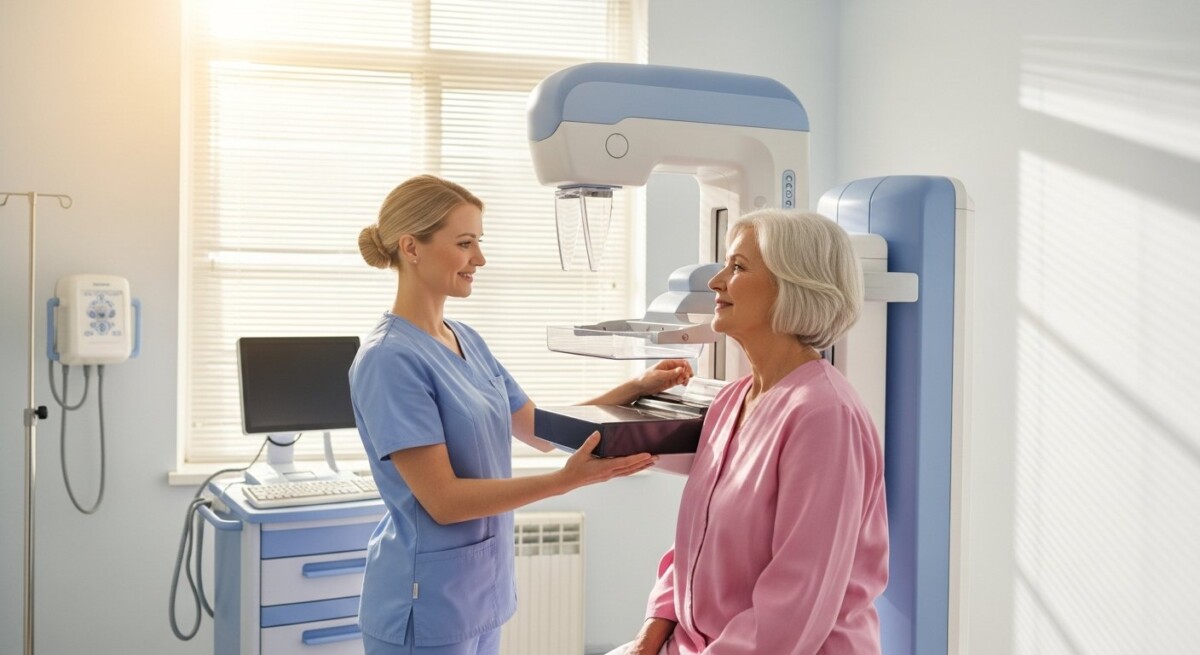
Women aged 70 and older often wonder whether Medicare continues to pay for routine mammograms. The short answer is yes, but the details matter. Medicare covers screening mammograms every 12 months for all female beneficiaries, regardless of age. This means that after turning 70, you still qualify for this preventive service with no out-of-pocket costs if you see a provider who accepts assignment. However, many women face confusion about how often they can go, what happens if a diagnostic mammogram is needed, and whether Medicare Advantage plans follow the same rules. Understanding these nuances can help you avoid surprise bills and stay on top of your breast health.
Medicare Coverage for Mammograms After Age 70
Medicare Part B covers screening mammograms for women of any age, including those over 70. A screening mammogram is a routine x-ray of the breast used to detect cancer before any symptoms appear. Original Medicare pays 100% of the Medicare-approved amount for this service once every 12 months, provided the patient receives it from a facility that accepts Medicare assignment. There is no deductible or coinsurance for this preventive benefit. This policy applies equally to women aged 70, 80, or beyond. As long as you have Medicare Part B, you are eligible for annual screening mammograms with no cost sharing.
If a screening mammogram reveals an abnormality, your doctor may order a diagnostic mammogram. Diagnostic mammograms are not considered preventive. They are used to evaluate a specific breast problem or follow up on a prior finding. For diagnostic mammograms, Medicare Part B covers 80% of the approved amount after you meet the Part B deductible. You would then pay 20% coinsurance. Some Medicare Advantage plans may cover diagnostic mammograms differently, so it is wise to check your plan’s summary of benefits. For more details on how Medicare costs can change over time, see our guide on Does Medicare Cost Go Up Every Year? How to Prepare for Increases.
Why Mammograms Matter for Women Over 70
Breast cancer risk increases with age. According to the American Cancer Society, about 1 in 8 women in the United States will develop invasive breast cancer during their lifetime, and the median age at diagnosis is 62. However, the risk remains significant after age 70. Many women mistakenly believe that mammograms are no longer necessary once they reach a certain age. This is not true. Regular screening can detect cancer at an early stage when it is most treatable. Early detection often means less aggressive treatment, better outcomes, and lower healthcare costs.
Medicare’s coverage policy reflects this medical consensus. By offering free annual screening mammograms for women of all ages, Medicare encourages ongoing preventive care. Women over 70 who skip mammograms risk missing early signs of cancer. If a mammogram is delayed until symptoms appear, the cancer may be more advanced and require more intensive treatment. That can lead to higher out-of-pocket costs and greater physical burden. Staying current with screening is one of the most effective steps you can take to protect your health. If you need help understanding your Medicare options, call us at 833-203-6742 for personalized assistance.
Differences Between Original Medicare and Medicare Advantage
Original Medicare (Part A and Part B) provides consistent coverage for mammograms across the country. You can see any provider that accepts Medicare assignment. There is no network restriction. For a screening mammogram, you pay nothing. For a diagnostic mammogram, you pay 20% after the deductible. This simplicity is one reason many beneficiaries choose Original Medicare. However, Original Medicare does not cap out-of-pocket spending, which means a year with multiple diagnostic tests could lead to significant costs.
Medicare Advantage plans (Part C) must cover the same preventive services as Original Medicare, including screening mammograms. However, these plans operate within networks. You may need to use in-network providers to receive the full benefit. Some Medicare Advantage plans charge copays for mammogram visits, even for screening. Others may require prior authorization for diagnostic mammograms. Before scheduling any mammogram, call your plan’s customer service or check your online portal to confirm coverage details. If you are considering switching plans, review our analysis of Does Medicare Cover Hearing Aids? Find Affordable Solutions Today to see how different plans handle other preventive services.
What to Ask Your Provider Before a Mammogram
To avoid unexpected bills, ask these questions before your appointment:
- Does the facility accept Medicare assignment? If not, you may face higher charges.
- Is the mammogram ordered as screening or diagnostic? This changes your cost.
- If you have Medicare Advantage, is the facility in-network? Out-of-network care often costs more.
- Will any additional imaging be needed on the same day? Sometimes a screening mammogram leads to same-day diagnostic views, which could increase your cost.
Asking these questions upfront can prevent confusion later. If you receive a bill you believe is incorrect, you have appeal rights through Medicare. Keep all paperwork and call 1-800-MEDICARE for help. For more on managing your Medicare costs, read Does Medicare Cost Go Up Every Year? How to Prepare for Increases.
How Often Can You Get a Mammogram Under Medicare?
Medicare covers a screening mammogram once every 12 months. The clock starts on the date of your last screening mammogram. If you have a mammogram in January 2026, for example, your next covered screening is any time after January 2027. You can schedule it earlier than 12 months, but Medicare will not pay for it, and you would be responsible for the full cost. Diagnostic mammograms, by contrast, are not subject to the same frequency limit. Your doctor may order them as often as medically necessary, but each one will involve cost sharing.
Women who are at high risk for breast cancer due to genetic mutations, strong family history, or prior breast cancer may need more frequent imaging, such as MRI or ultrasound in addition to mammograms. Medicare covers these additional services under certain conditions. Talk to your doctor about whether you qualify for supplemental imaging. If you are prescribed a weight management drug like Wegovy for obesity, note that weight loss can affect breast density and screening recommendations. See our article on Does Medicare Cover Wegovy? Get the Facts Before You Buy for related guidance.
Cost Breakdown for Mammograms After 70
Here is a summary of what you can expect to pay under Original Medicare in 2026:
- Screening mammogram: $0. Medicare covers 100% of the approved amount with no deductible or coinsurance.
- Diagnostic mammogram: You pay 20% of the Medicare-approved amount after meeting the Part B deductible ($257 in 2026).
- Facility fees: If you receive care in a hospital outpatient department, there may be separate charges. Ask your provider about facility fees beforehand.
- Additional imaging: If same-day additional views are needed, they are often billed as diagnostic, which may change your cost.
Medicare Advantage plan costs vary. Some plans charge a copay of $0 to $50 for screening mammograms. Diagnostic mammograms may have higher copays. Always review your plan’s Evidence of Coverage document. If you are comparing plans, consider both premium and cost-sharing for imaging services. For a broader look at Medicare coverage for chronic conditions, read Does Medicare Cover Ozempic? Learn About Your Options.
Frequently Asked Questions
Does Medicare cover mammograms after 70 if I have a Medicare Advantage plan?
Yes. Medicare Advantage plans must cover screening mammograms with no cost sharing if you use in-network providers. Check your plan’s network and any copay requirements. For diagnostic mammograms, cost sharing may apply.
Can I get a mammogram if I am over 70 and still working?
Yes. Medicare Part B covers screening mammograms regardless of employment status. If you have employer coverage, Medicare is still primary or secondary depending on your group size. Consult your benefits coordinator.
Do I need a doctor’s referral for a mammogram under Medicare?
No. Medicare does not require a referral for a screening mammogram. You can schedule directly with a participating facility. However, your primary care doctor may recommend one as part of your annual wellness visit.
What if I cannot afford a mammogram after age 70?
If you have Original Medicare and meet the Part B deductible, screening mammograms are free. If you have financial hardship, state programs or nonprofit organizations may offer assistance. Call 1-800-MEDICARE for local resources.
Does Medicare cover 3D mammograms (tomosynthesis) after 70?
Yes. Medicare covers 3D mammography as a screening or diagnostic service when performed with a traditional 2D mammogram. Cost sharing follows the same rules: $0 for screening, 20% for diagnostic if deductible is met.
Stay on Schedule for Your Health
Medicare’s coverage for mammograms after age 70 is clear and generous. Women can receive annual screening mammograms at no cost, which removes financial barriers to early detection. The key is to know your plan type, confirm provider acceptance, and understand the difference between screening and diagnostic exams. By staying proactive, you can protect your health and avoid unnecessary stress. If you have questions about your specific Medicare plan or need help comparing options, contact our team at 833-203-6742 for free, unbiased assistance.