
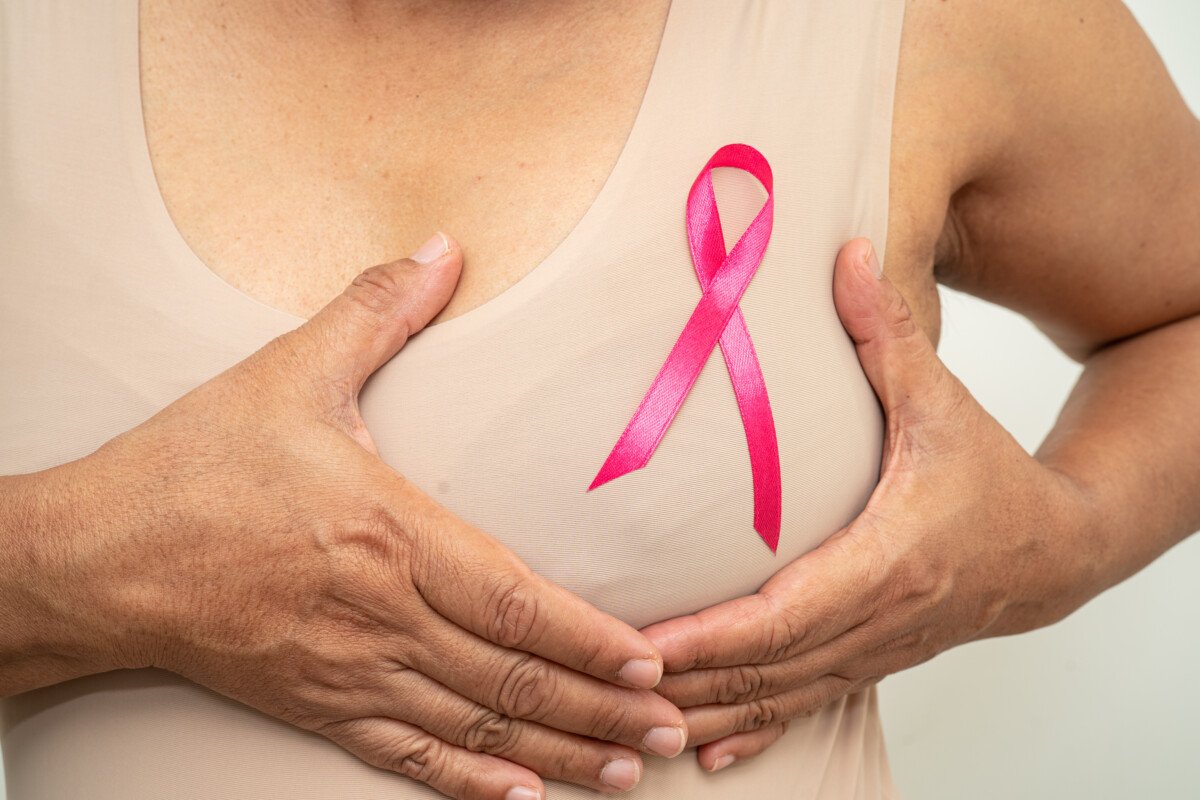
What Does Breast Cancer Look Like? Recognizing Signs and Symptoms
Recognizing the visual signs of breast cancer is key for early action. For personalized guidance on screening and coverage, call 833-203-6742.

By Vanessa Caldwell
Compare health plans
Finding plans in your area…
When you hear the question, “what does breast cancer look like,” you might immediately picture a lump. While a new mass is a critical sign, the visual and physical manifestations of breast cancer are far more varied. Understanding these signs is not about self-diagnosis, but about empowering you to notice changes and seek timely medical evaluation. Early detection remains the cornerstone of successful treatment, and knowing what to look for on your skin, in the mirror, and during self-exams can be life-saving knowledge.
Beyond the Lump: Visual and Physical Changes in the Breast
The classic warning sign of breast cancer is a lump or mass in the breast or underarm area. These lumps are often hard, painless, and have irregular edges, though some can be tender, soft, or rounded. However, focusing solely on lumps means missing other crucial indicators. Breast cancer can cause a range of visible alterations to the breast’s appearance and texture. It’s essential to become familiar with your own breast landscape, often called “breast self-awareness,” so you can detect any deviations from your normal baseline.
Many changes are related to how cancer cells affect the skin and underlying structures. As cells grow, they can pull on tissue, cause inflammation, or block lymphatic vessels. This leads to symptoms you can see and feel. It is important to note that many of these signs can also be caused by benign (non-cancerous) conditions. However, any new, persistent change warrants a professional assessment by a doctor. Do not delay because a symptom seems minor or doesn’t match the classic lump description.
Specific Signs and Symptoms to Monitor
Breast cancer can present through several distinct visual and tactile clues. Being able to describe what you see and feel accurately will help your healthcare provider. Here are the key signs to watch for during regular self-exams or in daily observation.
Changes in Skin Texture and Color
The skin on the breast may undergo noticeable changes. One common sign is dimpling or puckering of the skin, sometimes described as looking like an orange peel (peau d’orange). This occurs when cancer cells block lymph vessels in the skin, causing fluid buildup and swelling. The skin may also become red, scaly, or thickened, particularly around the nipple and areola. In some aggressive forms, like inflammatory breast cancer, the breast can appear swollen, red, and feel warm to the touch, often without a distinct lump. For a detailed look at one specific presentation, our resource on identifying a very early inflammatory breast cancer rash provides deeper insight.
Nipple Abnormalities and Discharge
The nipple is a frequent site for noticeable changes. A newly inverted nipple (turning inward) that wasn’t before is a significant sign. Other nipple changes include redness, scaliness, or thickening of the skin on the nipple. Spontaneous discharge from the nipple, especially if it is clear, bloody, or occurs without squeezing, should be evaluated. While discharge can have benign causes, its presence, particularly when unilateral (from one breast only), requires medical attention.
Alterations in Breast Size, Shape, and Contour
Look for any unexplained change in the size or shape of one breast compared to the other. Swelling of all or part of a breast, even if no distinct lump is felt, is a warning sign. You might notice an asymmetry that has developed where none existed before. Changes in the contour or slope of the breast when viewed from the side can also be indicative of an underlying mass pulling on tissue.
The Critical Role of Professional Screening and Diagnosis
Recognizing a potential sign is only the first step. Professional screening and diagnostic tools are what confirm or rule out breast cancer. No single symptom is definitive on its own, and many benign conditions can mimic cancer signs. This is why clinical expertise and imaging are indispensable.
The primary screening tool for breast cancer is a mammogram, an X-ray of the breast that can detect tumors too small to be felt. Guidelines vary, but generally, women at average risk are advised to begin regular mammograms in their 40s or 50s. For those at higher risk due to family history or genetic factors, screening may start earlier and include MRI. A clinical breast exam performed by a doctor or nurse is also a key component of regular check-ups. If a screening mammogram or a physical exam finds an area of concern, diagnostic follow-up begins. This often involves additional, more detailed imaging like a diagnostic mammogram or breast ultrasound. The definitive diagnosis comes from a biopsy, where a small sample of tissue is removed and examined under a microscope by a pathologist. Understanding the full journey from symptom to prognosis is complex, and you can explore more in our article on understanding breast cancer survival rates and prognosis.
Performing a Breast Self-Exam: A Step-by-Step Guide
While breast self-exams are no longer universally recommended as a standalone screening tool, many experts agree that breast self-awareness, knowing how your breasts normally look and feel, is valuable. If you choose to perform self-exams, do so consistently, about once a month, a few days after your menstrual period ends when breasts are less likely to be tender or swollen. Here is a systematic approach.
- Visual Inspection in Front of a Mirror: Stand with your arms at your sides. Look for any changes in size, shape, contour, or skin texture (dimpling, puckering, redness). Repeat with your hands pressed on your hips and then with your arms raised overhead.
- Manual Examination Lying Down: Lie down on your back. Use your left hand to examine your right breast and vice versa. Use the pads of your three middle fingers, keeping them flat. Apply light, medium, and firm pressure in small, circular motions about the size of a dime.
- Cover the Entire Area: Follow a pattern to ensure you cover the whole breast. You can imagine the breast as a clock and move in circles, or move your fingers up and down in vertical strips. Don’t forget the area up to the collarbone, into the armpit, and the nipple.
- Repeat Upright: Finally, repeat the manual exam while standing or sitting, which may be easier in the shower with soapy skin. Feel for any lumps or thickened areas.
The goal is not to search obsessively for cancer but to learn your normal landscape. Report any persistent changes, not just lumps, to your doctor immediately.
Frequently Asked Questions
Can breast cancer be painful? Yes, breast cancer can cause pain or tenderness, though it is more often painless. Any new, persistent breast pain should be evaluated by a doctor.
Does a rash always mean breast cancer? No, most breast rashes are due to eczema, infection, or other skin conditions. However, a persistent, unexplained rash, especially if red and warm, needs medical assessment to rule out conditions like inflammatory breast cancer.
What if I find a lump right before my period? Hormonal changes can cause benign lumps and tenderness. Monitor the lump. If it persists after your period ends (typically a week later), contact your healthcare provider.
Are all breast lumps cancerous? No, the majority of breast lumps are benign. Common benign causes include fibroadenomas (solid, noncancerous tumors) and cysts (fluid-filled sacs). Only a doctor can determine the nature of a lump.
I have no symptoms and no family history. Do I still need mammograms? Yes. Most women diagnosed with breast cancer have no known family history. Regular mammograms are crucial for detecting cancer early, often before symptoms appear.
Knowing what breast cancer can look and feel like transforms a vague worry into informed awareness. The signs extend far beyond a simple lump to include skin changes, nipple abnormalities, and shifts in breast contour. Your most powerful tool is familiarity with your own body combined with a commitment to regular professional screening as recommended for your age and risk level. If you notice a persistent change, do not hesitate. Prompt consultation with a healthcare provider is the single most important action you can take. Early detection opens the door to more treatment options and significantly improves outcomes, making your vigilance and proactive care truly invaluable.
Compare health plans
Finding plans in your area…