
Understanding the Different Types of Breast Cancer
Understanding the specific types of breast cancer is crucial for determining the right treatment plan. For personalized guidance on your diagnosis, call 833-203-6742.

By Roxanne Fields
Compare health plans
Finding plans in your area…
When a doctor says “breast cancer,” they are not referring to a single disease. Instead, they are speaking about a complex group of conditions that can behave very differently, require distinct treatments, and have unique prognoses. Understanding the specific type of breast cancer is the critical first step in developing an effective, personalized treatment plan. This knowledge empowers patients and their families, transforming a daunting diagnosis into a navigable path forward. The classification of breast cancer is based on where it originates within the breast tissue, its microscopic appearance, and the presence or absence of specific receptors that fuel its growth.
How Breast Cancer is Classified: The Foundational Categories
Breast cancers are primarily categorized by two fundamental criteria: the point of origin within the breast and the presence of key biological markers. The first criterion determines whether the cancer is invasive or non-invasive (in situ). Non-invasive cancers, also called carcinoma in situ, are confined to the milk ducts or lobules and have not spread into surrounding breast tissue. While not immediately life-threatening, they are considered precursors to invasive cancer and require treatment to prevent progression. Invasive cancers have broken through the wall of the duct or lobule and can potentially spread to lymph nodes and other parts of the body. The second, and equally critical, criterion involves testing the cancer cells for proteins called hormone receptors (estrogen and progesterone) and the HER2 protein. This receptor status, along with the cancer’s grade (how abnormal the cells look), forms the basis of modern, targeted therapy.
Non-Invasive (In Situ) Breast Cancers
In situ cancers are Stage 0 breast cancers. They are highly treatable and often curable because they are contained. The two main types are Ductal Carcinoma In Situ (DCIS) and Lobular Carcinoma In Situ (LCIS). DCIS is the most common non-invasive breast cancer, accounting for about 20% of new breast cancer diagnoses. It originates in the milk ducts. While DCIS itself is not dangerous, if left untreated, it can develop into invasive ductal carcinoma over time. Treatment options typically include surgery (lumpectomy or mastectomy) and often radiation therapy. LCIS is less common and is considered more of a risk indicator or marker for developing invasive breast cancer later, rather than a true cancer itself. It forms in the milk-producing lobules. Women with LCIS have a higher risk of developing invasive cancer in either breast, so they are usually monitored closely with regular screenings rather than treated aggressively for the LCIS itself.
Invasive Breast Cancers: The Most Common Forms
Invasive breast cancers make up the majority of diagnoses. Their ability to spread makes accurate subtyping essential for determining the risk of recurrence and the best course of treatment.
Invasive Ductal Carcinoma (IDC)
This is the most common type of breast cancer, representing about 70-80% of all invasive diagnoses. IDC begins in a milk duct, breaks through the duct wall, and invades the fatty tissue of the breast. From there, it can metastasize (spread) to other parts of the body through the lymphatic system and bloodstream. IDC is not a single disease but an umbrella term for cancers that have invaded from a duct. It is further classified by specific subtypes, some with distinct characteristics, such as tubular, medullary, mucinous, and papillary carcinomas, which tend to have slightly better prognoses.
Invasive Lobular Carcinoma (ILC)
Accounting for about 10% of invasive breast cancers, ILC starts in the milk lobules and invades the surrounding breast tissue. It can be more challenging to detect by mammogram because it often does not form a distinct lump. Instead, it may cause a thickening or hardening of the breast. ILC cells also have a tendency to grow in a single-file line pattern, which can affect how it spreads. Women with ILC have a slightly higher risk of developing cancer in the opposite breast and may have different patterns of metastasis compared to IDC.
Molecular Subtypes: Guiding Targeted Treatment
Beyond where the cancer starts, modern oncology classifies invasive breast cancers into molecular subtypes based on receptor status. This is arguably the most important classification for treatment decisions. The three key receptors tested for are:
- Estrogen Receptors (ER): Cancers that are ER-positive use estrogen to grow.
- Progesterone Receptors (PR): Cancers that are PR-positive use progesterone to grow.
- HER2 (Human Epidermal Growth Factor Receptor 2): Cancers that are HER2-positive have too many HER2 proteins, which drive rapid cancer growth.
Based on these tests, cancers are grouped into these primary subtypes:
- Hormone Receptor-Positive (HR+): This is the most common subtype (about 70% of cases). The cancer is ER-positive and/or PR-positive, and HER2-negative. Treatment usually involves hormone therapy (like tamoxifen or aromatase inhibitors) to block the hormones that fuel the cancer.
- HER2-Positive: This subtype (about 15-20% of cases) is HER2-positive, regardless of hormone receptor status. It tends to be more aggressive but is highly treatable with targeted therapies designed specifically to block the HER2 protein, such as trastuzumab (Herceptin).
- Triple-Negative Breast Cancer (TNBC): This subtype (about 10-15% of cases) tests negative for estrogen receptors, progesterone receptors, and excess HER2 protein. It is often more aggressive and has fewer targeted treatment options, but chemotherapy is usually effective. Research into new treatments for TNBC is very active. Understanding a patient’s specific receptor status is vital for predicting their breast cancer survival rates and prognosis, as each subtype responds differently to available therapies.
Less Common and Special Types of Breast Cancer
Several other types of breast cancer occur less frequently but have unique features that require specialized management.
Inflammatory Breast Cancer (IBC)
IBC is a rare (1-5% of cases) but very aggressive form of invasive cancer. It is called “inflammatory” because the breast often appears red, swollen, and warm, similar to an infection (like mastitis). This is caused by cancer cells blocking lymph vessels in the skin. IBC typically does not present as a distinct lump and can be mistaken for an infection, leading to delayed diagnosis. It is always at least Stage III at diagnosis because it involves the skin. Prompt recognition is critical, as detailed in our resource on identifying a very early inflammatory breast cancer rash.
Paget’s Disease of the Breast
This rare condition (about 1-3% of cases) presents with eczema-like changes on the nipple and areola, including redness, scaling, and itching. It is almost always associated with either DCIS or invasive cancer deeper in the breast tissue. The Paget cells are found in the skin of the nipple.
Phyllodes Tumors
These are rare breast tumors that develop in the connective tissue (stroma) of the breast, unlike most cancers that start in the ducts or lobules. Most phyllodes tumors are benign, but some can be borderline or malignant (cancerous). They are treated primarily with surgery.
Frequently Asked Questions
What is the most common type of breast cancer?
Invasive Ductal Carcinoma (IDC) is the most common type, making up 70-80% of all invasive breast cancer diagnoses.
What is the most aggressive type of breast cancer?
Inflammatory Breast Cancer (IBC) and Triple-Negative Breast Cancer (TNBC) are generally considered among the most aggressive subtypes due to their rapid growth and, in the case of TNBC, fewer targeted therapy options.
How do I know what type of breast cancer I have?
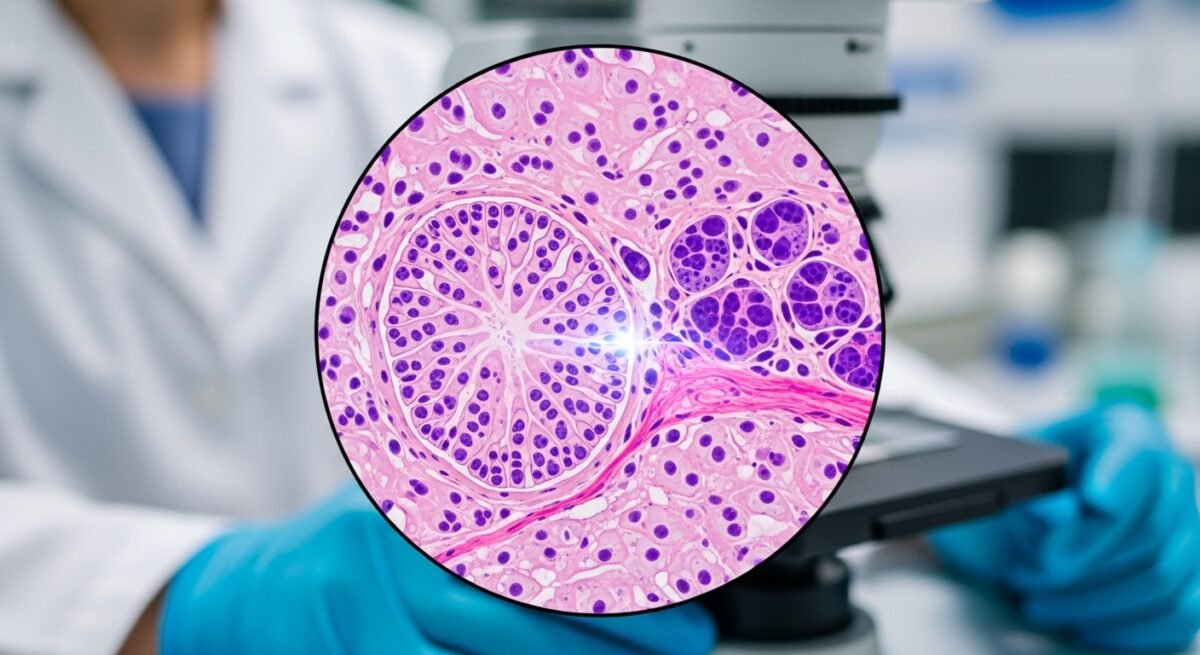
Your type will be determined through a biopsy. A pathologist will examine the tissue sample under a microscope to see if it’s invasive or in situ, identify the cell pattern, and perform special tests (immunohistochemistry) to determine the hormone receptor and HER2 status. This information is included in your pathology report.
Does the type of breast cancer affect treatment?
Absolutely. Treatment is highly tailored to the specific type and subtype. For example, hormone receptor-positive cancers receive hormone therapy, HER2-positive cancers receive HER2-targeted drugs, and triple-negative cancers typically rely on chemotherapy. The stage and grade of the cancer also play major roles.
Can you have more than one type of breast cancer?
Yes, though it’s less common. A person can have a mix of, for instance, DCIS and invasive cancer in the same area, or even two distinct invasive tumors with different receptor statuses in the same breast.
Navigating a breast cancer diagnosis begins with understanding the specific nature of the disease. The type, stage, and molecular profile of the cancer create a unique blueprint that guides every subsequent decision, from surgery and radiation to systemic therapies like chemotherapy, hormone therapy, and targeted drugs. This personalized approach, grounded in precise pathology, offers the best chance for effective treatment and long-term management. While the terminology can seem overwhelming, this knowledge is the foundation of patient empowerment and informed collaboration with your oncology team.
Compare health plans
Finding plans in your area…