
Understanding Bone Marrow Cancer: Types, Symptoms, and Treatment
Understand the types, symptoms, and treatments for bone marrow cancer. For personalized guidance, call 833-203-6742.

By Judith Callahan
Compare health plans
Finding plans in your area…
Bone marrow cancer is not a single diagnosis, but a term that encompasses several serious conditions where cancer originates in or spreads to the spongy tissue inside your bones. This tissue, the bone marrow, is the factory for your blood cells, making these cancers particularly complex as they disrupt the body’s fundamental ability to produce red blood cells, white blood cells, and platelets. The journey from initial symptoms to a confirmed diagnosis can be daunting, filled with medical terminology and uncertainty. This article aims to demystify bone marrow cancer, providing a clear, comprehensive overview of its forms, how it affects the body, the pathways to diagnosis, and the evolving landscape of modern treatment options.
What Is Bone Marrow and How Does Cancer Develop There?
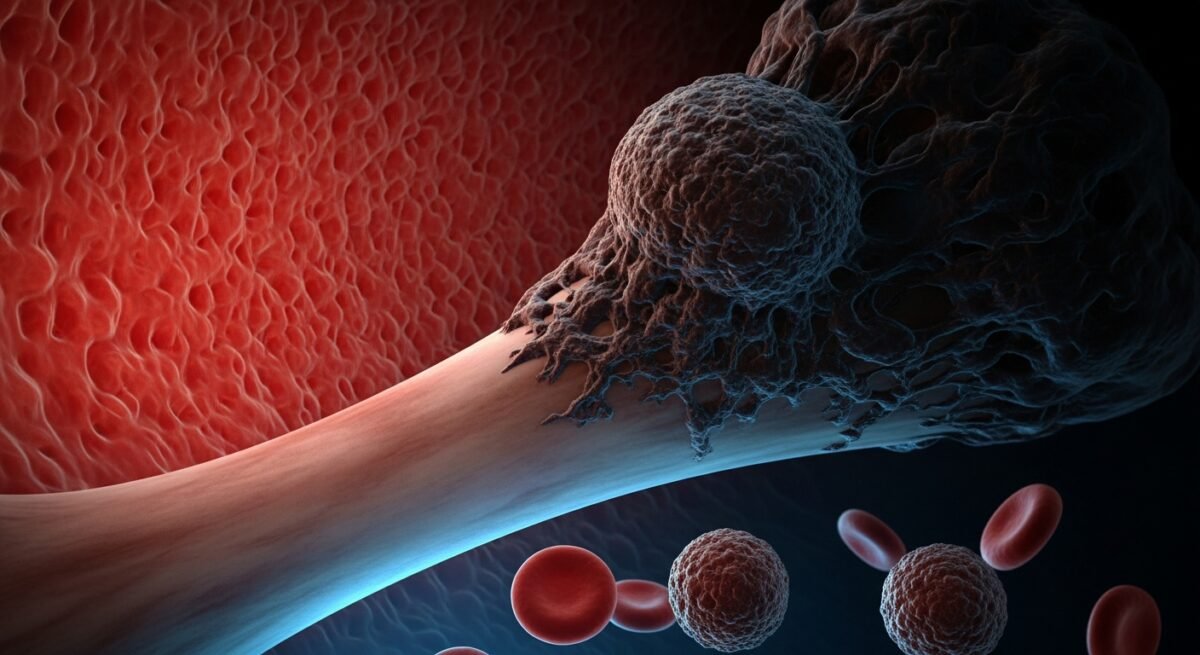
Bone marrow is the soft, fatty tissue found in the center of most large bones, such as the hip and thigh bones. It houses hematopoietic stem cells, which are immature cells that develop into all the different components of your blood: oxygen-carrying red blood cells, infection-fighting white blood cells, and clot-forming platelets. This constant, regulated production is vital for life. Cancer develops in the bone marrow when genetic mutations cause these blood-forming cells, or other cells within the marrow, to grow and multiply uncontrollably. This unchecked growth crowds out healthy blood-forming cells, leading to a shortage of normal blood cells, a condition known as cytopenia.
The consequences of this disruption are direct and serious. A shortage of red blood cells (anemia) causes fatigue, weakness, and shortness of breath. A low white blood cell count (leukopenia) increases the risk of infections. A low platelet count (thrombocytopenia) leads to easy bruising and bleeding. Furthermore, the cancerous cells themselves can produce abnormal proteins that damage organs, and in some cases, the cells can form tumors that weaken the bone structure. Understanding this central role of the bone marrow is key to understanding the wide-ranging impact of cancers that originate there.
Primary Types of Bone Marrow Cancer
The major types of cancer that begin in the bone marrow are leukemia, multiple myeloma, and most lymphomas. While some lymphomas start in lymph nodes, many originate from lymphocytes in the bone marrow. It is crucial to distinguish these from cancers that start elsewhere and spread (metastasize) to the bone marrow, which is a different clinical scenario.
Leukemia
Leukemia is a cancer of the white blood cells. It typically involves the rapid production of abnormal white blood cells that are not functional. These cells build up in the bone marrow and blood, interfering with the marrow’s ability to produce normal blood cells. Leukemias are broadly classified as acute (fast-growing) or chronic (slower-growing), and further by the type of white blood cell affected (lymphocytic or myeloid). Symptoms often relate to bone marrow failure: fatigue from anemia, frequent infections from neutropenia, and bruising from thrombocytopenia.
Multiple Myeloma
Multiple myeloma is a cancer of plasma cells, a specific type of white blood cell that produces antibodies. In myeloma, cancerous plasma cells accumulate in the bone marrow and produce large amounts of a single, abnormal antibody (called an M protein) that offers no immune protection. This can cause kidney damage, bone pain and fractures (as the cells secrete substances that break down bone), and a suppressed immune system. Myeloma cells often form multiple lesions in bones, hence the name.
Lymphoma
While lymphoma is often considered a cancer of the lymph nodes, certain types, like lymphoblastic lymphoma and some forms of non-Hodgkin lymphoma, can originate in lymphocytes within the bone marrow. When lymphoma cells are present in the marrow in significant numbers, it can cause similar issues with blood cell production. The distinction between leukemia and lymphoma can sometimes blur, as both involve lymphoid cells.
Recognizing the Symptoms and Securing a Diagnosis
Symptoms of bone marrow cancer are often nonspecific and can mimic those of many other, less serious conditions. This can sometimes lead to a delay in diagnosis. Being aware of the constellation of possible symptoms is important for seeking timely medical evaluation.
Common signs and symptoms include persistent, unexplained fatigue; frequent or severe infections; easy bruising or bleeding; bone pain or tenderness, especially in the back or ribs; unintentional weight loss; night sweats; and shortness of breath. In multiple myeloma, symptoms of kidney problems (like confusion or swelling) or high blood calcium (excessive thirst, frequent urination, constipation) may also appear.
The diagnostic process is multi-step and designed to confirm the presence of cancer, identify its exact type, and determine its extent. Key components include:
- Blood Tests: A complete blood count (CBC) checks for abnormalities in the numbers of red cells, white cells, and platelets. Other blood tests look for abnormal proteins (like the M protein in myeloma) or assess kidney and calcium levels.
- Bone Marrow Aspiration and Biopsy: This is the definitive test for diagnosing most bone marrow cancers. A needle is used to withdraw a liquid sample of marrow (aspiration) and a small core of bone and marrow (biopsy), usually from the hip bone. These samples are examined under a microscope by a pathologist.
- Imaging Studies: X-rays, CT scans, MRI, or PET scans can reveal bone damage, tumors, or enlarged lymph nodes.
- Additional Specialized Tests: Flow cytometry, cytogenetics, and molecular testing analyze the cancer cells in detail to identify specific genetic mutations or markers. This information is critical for prognosis and selecting targeted therapies.
Following a list of diagnostic steps, it is vital to understand that this information guides the treatment plan. The stage and genetic profile of the cancer help oncologists predict its behavior and choose the most effective initial therapy.
Modern Treatment Approaches and Management
Treatment for bone marrow cancer is highly personalized and depends on the specific type, stage, genetic markers, the patient’s age, and overall health. Advances in medicine have transformed the outlook for many patients, moving from purely cytotoxic chemotherapy to a range of sophisticated options.
Chemotherapy remains a cornerstone for many types, using powerful drugs to kill rapidly dividing cancer cells. It is often used in combination with other treatments. Stem Cell Transplantation (often called a bone marrow transplant) is a potentially curative procedure for some leukemias, lymphomas, and myelomas. It involves administering high-dose chemotherapy (sometimes with radiation) to destroy the cancerous marrow, followed by an infusion of healthy blood-forming stem cells from a donor (allogeneic) or from the patient themselves (autologous).
Targeted Therapy uses drugs designed to attack specific molecules or pathways that are crucial for cancer cell growth and survival. For example, tyrosine kinase inhibitors are highly effective for certain leukemias. Immunotherapy harnesses the body’s immune system to fight cancer. This includes monoclonal antibodies (like rituximab for lymphoma), antibody-drug conjugates, and CAR T-cell therapy, where a patient’s own immune cells are genetically engineered to attack their cancer.
Radiation Therapy may be used to target specific areas of bone pain or tumors, particularly in multiple myeloma. Supportive Care is an essential, ongoing part of management. This includes treatments to manage symptoms and side effects: blood transfusions for anemia, growth factors to boost blood cell counts, antibiotics for infections, medications to strengthen bones (bisphosphonates), and pain management.
Frequently Asked Questions
Is bone marrow cancer the same as leukemia?
Leukemia is one major type of bone marrow cancer. “Bone marrow cancer” is an umbrella term that includes leukemia, multiple myeloma, and some lymphomas.
What is the life expectancy for someone with bone marrow cancer?
Prognosis varies dramatically depending on the specific cancer type, its stage at diagnosis, genetic factors, and the patient’s response to treatment. Some chronic leukemias can be managed for many years, while acute leukemias require aggressive, immediate treatment. Survival rates have improved significantly with new therapies.
What are the risk factors for developing bone marrow cancer?
Known risk factors include advanced age, exposure to high levels of radiation or certain chemicals (like benzene), previous chemotherapy or radiation treatment, certain genetic disorders (like Down syndrome), family history (for some types), and having other blood disorders.
Can bone marrow cancer be prevented?
There is no guaranteed way to prevent most bone marrow cancers, as many risk factors (like age and genetics) cannot be changed. However, avoiding known environmental carcinogens, like benzene and high-dose radiation, may reduce risk. Maintaining a healthy lifestyle supports overall well-being during and after treatment.
What questions should I ask my doctor after a diagnosis?
Key questions include: What specific type and stage is my cancer? What are my treatment options and the goals of each? What are the potential side effects? Am I eligible for clinical trials? What is the expected treatment timeline? How will this affect my daily life? What support services are available?
Navigating a bone marrow cancer diagnosis is a profound challenge, but you are not without resources or hope. The field of oncology is advancing at a remarkable pace, with new therapies offering improved outcomes and better quality of life. A strong partnership with your medical team, a clear understanding of your specific condition, and access to supportive care are the pillars of effective management. If you have concerns about symptoms or a recent diagnosis, seek information from reputable sources and advocate for comprehensive care tailored to your individual needs.
Compare health plans
Finding plans in your area…