
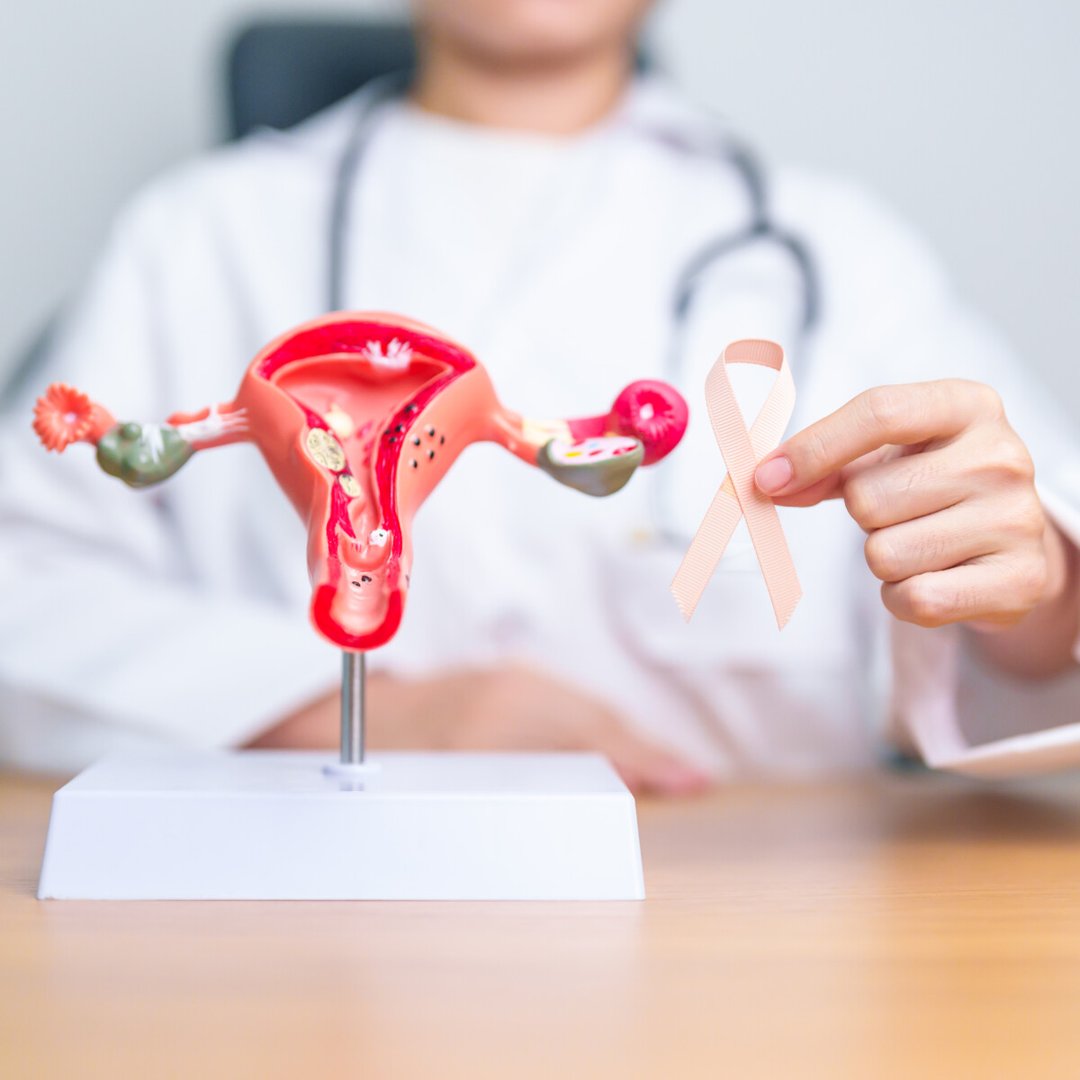
Recognizing Vulvar Cancer Symptoms: A Guide to Early Signs
Learn to identify early vulvar cancer symptoms for timely intervention. For personalized guidance, call 833-203-6742.

By Judith Callahan
Compare health plans
Finding plans in your area…
Vulvar cancer, while relatively rare, is a serious health condition that demands awareness and prompt attention. The vulva, the external female genital area, can be affected by several types of cancer, with squamous cell carcinoma being the most common. Early detection is paramount for successful treatment and positive outcomes, making understanding the potential symptoms a critical aspect of women’s health. Many early signs can be subtle or mistaken for more common, benign conditions, which is why knowing what to look for and when to seek medical evaluation is so important. This guide provides a comprehensive look at the symptoms of vulvar cancer, empowering you with knowledge for your health journey.
Understanding the Vulva and Vulvar Cancer
The vulva encompasses several structures: the mons pubis (the fleshy area over the pubic bone), the labia majora (outer lips), the labia minora (inner lips), the clitoris, and the openings of the urethra and vagina. Cancer can develop in any of these tissues. It typically progresses slowly, often beginning as precancerous changes known as vulvar intraepithelial neoplasia (VIN). Not all VIN becomes cancer, but it requires monitoring. Because the symptoms of vulvar cancer can overlap with those of common infections or skin conditions, they are sometimes dismissed. This underscores the necessity of paying close attention to persistent changes and consulting a healthcare provider for a proper diagnosis. Being proactive about changes in this area of the body is a key component of self-advocacy in healthcare.
Primary Symptoms of Vulvar Cancer
The most common symptoms of vulvar cancer are localized to the genital region. They may appear gradually and persist over time. It is crucial to note that having one or more of these symptoms does not mean you have cancer, but they are signals that warrant a professional medical examination.
The hallmark signs include persistent itching, burning, or pain in the vulvar area. This discomfort often does not resolve with typical over-the-counter creams or treatments for yeast infections. Another key symptom is the appearance of changes in the skin of the vulva. These changes can take several forms, and recognizing their variety is essential.
- A persistent lump, nodule, or wart-like growth: This may feel raised, rough, or have an irregular border. It can be red, pink, white, or darker than the surrounding skin.
- Changes in skin color or texture: Areas may become thicker, appear white (leukoplakia), red, or darker pigmented. The skin might also feel rough or scaly.
- An open sore (ulcer) or area of raw skin: This sore may bleed, ooze, or simply not heal over several weeks.
- Bleeding or discharge not related to menstruation: Any unexplained bleeding from the vulva or vaginal discharge that is unusual in color or smell should be evaluated.
- Painful urination or pain during intercourse (dyspareunia): This can occur if the cancer is located near the urethra or vaginal opening.
These symptoms may occur alone or in combination. A critical factor is persistence. While a temporary itch or rash is common, symptoms that last for more than a month or that recur frequently should not be ignored. Just as with other cancers, early recognition of changes is vital. For instance, understanding the broad range of potential cancer signs can be helpful, as detailed in our resource on stomach cancer symptoms and critical signs.
Advanced Symptoms and When to Seek Immediate Care
If vulvar cancer progresses without diagnosis or treatment, symptoms may become more pronounced and widespread. Advanced symptoms indicate a greater urgency for medical intervention. These can include a palpable lump in the groin area, which may signify that the cancer has spread to the lymph nodes. The persistent sore or growth on the vulva may enlarge, become more painful, and bleed more easily. In advanced stages, you might experience unexplained weight loss, persistent fatigue, or general aches. It is imperative to consult a doctor long before symptoms reach this stage. Any persistent change in the vulvar area, especially one that causes pain, bleeds, or alters the skin’s appearance, is a clear indicator that you need a professional evaluation. Do not delay seeking care out of embarrassment or hope that it will resolve on its own. Early-stage vulvar cancer is highly treatable.
Risk Factors and Diagnosis
Understanding risk factors can provide context, though it’s important to remember that vulvar cancer can develop in individuals with no known risks. Major risk factors include advanced age (most cases occur in women over 70), infection with certain strains of the human papillomavirus (HPV), a history of precancerous conditions of the vulva, cervix, or vagina, smoking, and a condition called lichen sclerosus, which causes thin, itchy white patches on the vulva. Having a weakened immune system also increases risk. Diagnosis begins with a thorough medical history and a pelvic exam. If an abnormal area is found, the primary diagnostic tool is a biopsy, where a small sample of tissue is removed and examined under a microscope. This is the only definitive way to diagnose vulvar cancer. Other tests, like colposcopy (using a magnifying device to examine the vulva), may be used to identify areas for biopsy.
Treatment Outlook and the Importance of Early Detection
Treatment for vulvar cancer depends on the stage, location, and type of cancer, as well as the patient’s overall health. Options include surgery to remove the cancerous tissue (which can range from a wide local excision to a more extensive vulvectomy), radiation therapy, and chemotherapy. The prognosis is significantly better when the cancer is detected at an early, localized stage. This highlights the life-saving importance of recognizing and acting on early symptoms. Regular gynecological check-ups are essential, even if you have no symptoms, as a healthcare provider may notice changes you have missed. Being familiar with your own body through regular self-examination can help you identify changes early. This principle of self-awareness applies broadly to cancer detection, similar to the approach recommended for noticing early thyroid cancer symptoms and signs.
Frequently Asked Questions
Q: Are vulvar cancer symptoms always obvious?
A: No, they are not. Early symptoms can be mild and mimic common issues like yeast infections or skin irritation. Persistence is the key differentiator.
Q: How can I perform a self-exam?
A: In a well-lit area, use a mirror to look at your vulva. Check for any changes in color, texture, or symmetry. Feel for any lumps, bumps, or areas of tenderness. Do this regularly to establish what is normal for you.
Q: If I have a risk factor, does it mean I will get vulvar cancer?
A: Absolutely not. Risk factors increase statistical likelihood but are not deterministic. Many people with risk factors never develop the disease, and others without known risks do.
Q: Is vulvar cancer preventable?
A> While not entirely preventable, you can reduce risk. Strategies include getting the HPV vaccine, not smoking, practicing safe sex to reduce HPV exposure, and seeking treatment for any persistent vulvar itching or skin changes.
Q: What should I do if I’m experiencing symptoms?
A: Schedule an appointment with your gynecologist or primary care physician. Describe all your symptoms clearly and mention how long they have persisted. Bring notes if it helps you remember details.
Knowledge of vulvar cancer symptoms is a powerful tool for health preservation. By understanding the signs, from persistent itching and skin changes to lumps and pain, you are equipped to take charge of your well-being. Remember, these symptoms are often caused by less serious conditions, but only a healthcare professional can provide an accurate diagnosis. Do not let fear or embarrassment prevent you from seeking care. Early evaluation leads to early detection, which offers the widest range of effective treatment options and the best chance for a full recovery. Your health is worth the conversation.
Compare health plans
Finding plans in your area…