
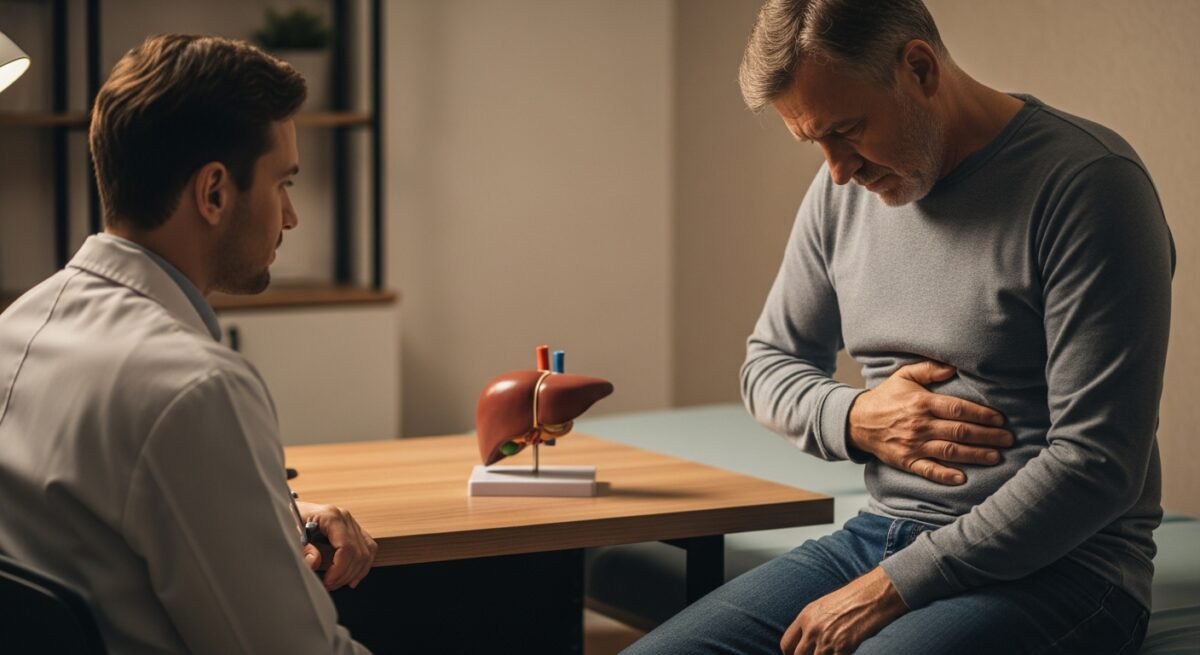
Recognizing the Signs and Symptoms of Liver Cancer
Learn to identify key signs of liver cancer for early action. For personalized guidance, call 833-203-6742.

By Douglas Keaton
Compare health plans
Finding plans in your area…
Liver cancer often develops silently, with its early signs easily mistaken for more common, less serious conditions. This stealthy progression makes understanding the specific symptoms crucial for timely diagnosis and intervention. The liver is a vital organ with hundreds of functions, from filtering toxins to producing proteins needed for blood clotting. When cancer arises in the liver, either as a primary tumor or from cancer that has spread from another site, it disrupts these essential processes, leading to a constellation of physical signs. Recognizing these warning signals is the first critical step toward seeking medical evaluation and potentially life-saving treatment.
Early Warning Signs and Common Symptoms
In its initial stages, liver cancer may present with vague, non-specific symptoms that are easy to dismiss. Fatigue and unexplained weight loss are among the most common early indicators. This isn’t ordinary tiredness, but a profound, persistent lack of energy that doesn’t improve with rest. The weight loss typically occurs without changes in diet or exercise, often amounting to 5% or more of body weight over a period of months. As the tumor grows, it can cause a dull ache or a feeling of heaviness in the upper right abdomen, just below the rib cage. Some individuals may experience a sense of fullness after eating only a small amount, a symptom known as early satiety, which can contribute to further weight loss.
Another set of symptoms relates directly to the liver’s functional decline. Nausea and loss of appetite are frequent complaints. The liver produces bile, which is essential for digesting fats, and when this process is impaired, it can lead to digestive discomfort and a general aversion to food. It’s important to note that many early liver cancer symptoms overlap with those of other liver diseases, such as cirrhosis or hepatitis. In fact, most primary liver cancers develop in livers already damaged by chronic disease. Therefore, individuals with known liver conditions must be especially vigilant about reporting any new or worsening symptoms to their healthcare provider.
Advanced Symptoms and Physical Manifestations
As liver cancer progresses, the signs become more pronounced and physically evident. One of the most recognizable symptoms is jaundice, a yellowing of the skin and the whites of the eyes. This occurs when the liver is too damaged to process bilirubin, a yellow pigment formed by the breakdown of red blood cells. Jaundice is often accompanied by dark urine (the color of tea or cola) and pale, chalk-colored stools. Another telltale sign is abdominal swelling, or ascites, which results from fluid buildup in the abdominal cavity due to portal hypertension (increased pressure in the liver’s blood vessels) and decreased protein production.
Other advanced symptoms include:
- Enlarged Liver or Spleen: A doctor may feel a hard, lumpy mass below the right rib cage during a physical exam.
- Fever: Recurrent, unexplained fevers that are not due to an infection can occur.
- Easy Bruising or Bleeding: The liver produces clotting factors, so impaired function can lead to bruising from minor bumps, frequent nosebleeds, or bleeding gums.
- Itchy Skin (Pruritus): A persistent, generalized itch, often worse at night, caused by bile salts depositing in the skin.
In some cases, liver cancer can cause hormonal syndromes, leading to symptoms like breast enlargement in men (gynecomastia) or high red blood cell counts. These occur because the cancer cells themselves can produce hormone-like substances. Any new, persistent symptom in someone with risk factors for liver disease warrants prompt medical attention. For a deeper look at symptom recognition across digestive cancers, our resource on colon cancer symptoms in women outlines similar principles of vigilance.
Risk Factors and the Importance of Early Detection
Understanding the signs of liver cancer is intrinsically linked to knowing one’s personal risk. The majority of primary liver cancer (hepatocellular carcinoma) develops in people with chronic liver scarring, known as cirrhosis. The most common causes of cirrhosis leading to cancer include chronic infections with hepatitis B virus (HBV) or hepatitis C virus (HCV), long-term excessive alcohol consumption, and non-alcoholic fatty liver disease (NAFLD), which is often associated with obesity and type 2 diabetes. Other risk factors include inherited metabolic diseases like hemochromatosis (iron overload) and exposure to aflatoxins, which are toxins produced by molds on poorly stored crops.
Early detection dramatically improves treatment outcomes, but it is challenging because screening is not universally recommended for the general population. Instead, surveillance with ultrasound exams every six months is advised for high-risk individuals, particularly those with cirrhosis. This highlights why symptom awareness is so vital for those not in formal surveillance programs. Recognizing subtle changes in one’s body can lead to earlier imaging tests, like CT or MRI scans, and a confirmatory biopsy. The five-year survival rate for liver cancer is significantly higher when the disease is diagnosed at a localized stage compared to when it has spread to distant organs.
Diagnosis, Next Steps, and Managing Health
If you or a loved one is experiencing potential signs of liver cancer, the diagnostic journey typically begins with a thorough medical history and physical exam. Your doctor will ask about symptoms, risk factors, and family history. Blood tests are crucial, including liver function tests to assess organ health and a test for alpha-fetoprotein (AFP), a tumor marker that can be elevated in liver cancer. Imaging is the cornerstone of diagnosis. An abdominal ultrasound is often the first test, followed by more detailed studies like a multiphase CT scan or a contrast-enhanced MRI, which can visualize the tumor’s size, location, and characteristics.
A biopsy, where a small sample of liver tissue is extracted with a needle for laboratory analysis, is usually performed to confirm the diagnosis and determine the cancer’s type and grade. Once diagnosed, the medical team will determine the cancer’s stage, which describes how extensive it is, to guide treatment decisions. Treatment options may include surgical resection (removing part of the liver), liver transplantation, tumor ablation (destroying tumors with heat or cold), radiation therapy, targeted drug therapy, or immunotherapy. The choice depends on the stage, the patient’s overall liver function, and their general health. Navigating a cancer diagnosis involves complex care coordination. Understanding your health coverage is a critical part of this process, and you can explore options in our guide to recognizing liver cancer symptoms and early warning signs which includes information on supportive resources.
Frequently Asked Questions
Can you have liver cancer with no symptoms?
Yes, especially in the early stages. Liver cancer is often asymptomatic initially, which is why it is frequently diagnosed at an advanced stage in individuals not undergoing regular surveillance for known liver disease.
What is the most common first sign of liver cancer?
There is no single universal first sign. However, unexplained weight loss and persistent fatigue are among the most commonly reported initial symptoms. Pain or discomfort in the upper right abdomen is also a frequent early complaint.
How quickly do liver cancer symptoms appear?
Symptoms typically develop gradually as the tumor grows and disrupts liver function. In a high-risk person with cirrhosis, symptoms may seem to appear suddenly, but the cancerous change has likely been developing for some time.
Are the signs of liver cancer different if it has spread from another organ?
Symptoms of metastatic cancer in the liver are often similar to those of primary liver cancer (jaundice, pain, weight loss). However, there may also be symptoms related to the original (primary) cancer site, such as a cough from lung cancer or a change in bowel habits from colorectal cancer.
When should I see a doctor about possible symptoms?
You should consult a healthcare professional if you experience any persistent symptom lasting more than two weeks, particularly unexplained weight loss, abdominal pain, or jaundice. It is especially urgent if you have known risk factors like cirrhosis, chronic viral hepatitis, or significant alcohol use history.
Recognizing the signs of liver cancer is a powerful tool for health advocacy. While the symptoms can be subtle and non-specific, knowledge empowers individuals, especially those with underlying liver conditions, to seek timely medical evaluation. Early detection remains a key factor in improving the prognosis and expanding treatment possibilities for this serious disease. If you identify with several risk factors, having an open conversation with your doctor about monitoring and lifestyle strategies is a proactive step toward safeguarding your liver health.
Compare health plans
Finding plans in your area…