
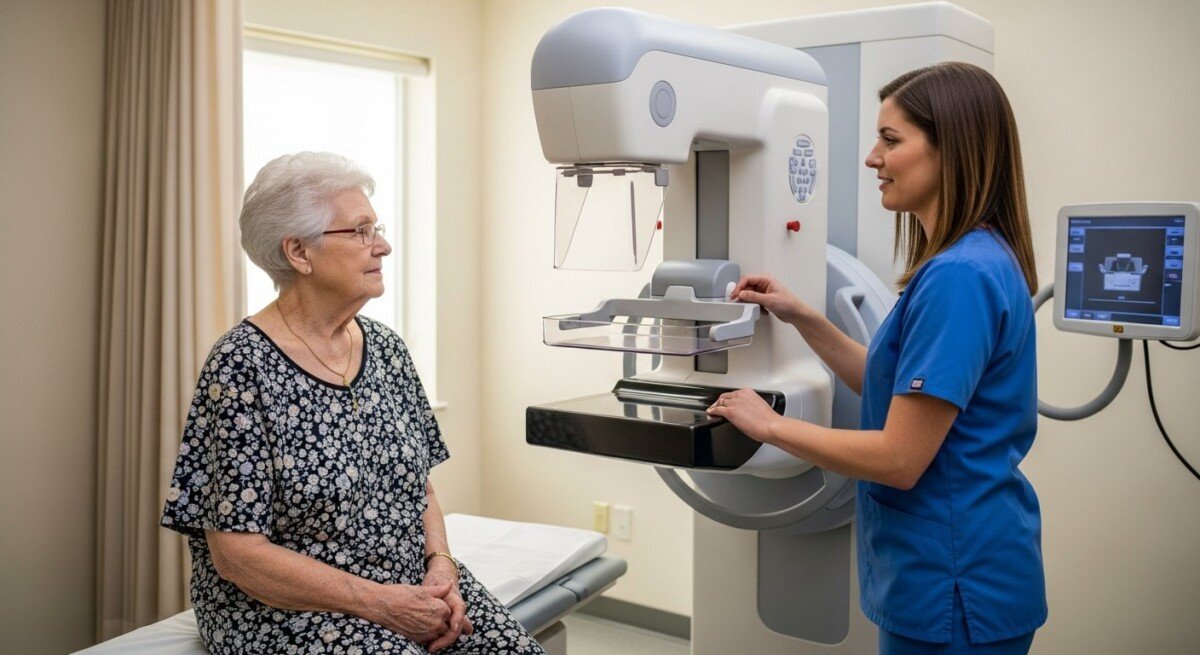
Medicare Mammogram Coverage After Age 80 Explained
Understand Medicare’s coverage for mammograms after age 80 and your potential costs. For personalized guidance, call 833-203-6742.

By Nadia Holbrook
Compare health plans
Finding plans in your area…
For many seniors, turning 80 is a milestone that brings new questions about healthcare priorities and insurance coverage. Among the most common and critical inquiries is whether Medicare continues to pay for preventive screenings like mammograms. The short answer is yes, Medicare provides coverage for mammograms for beneficiaries of any age, including those over 80, as long as the screening is deemed medically necessary by a doctor. However, understanding the nuances of this coverage, the guidelines for screening frequency, and the potential out-of-pocket costs is essential for making informed health decisions. This article provides a comprehensive breakdown of Medicare’s rules for mammograms after 80, empowering you to navigate your preventive care with confidence.
Medicare Coverage Fundamentals for Mammograms
Medicare Part B, which covers outpatient services and preventive care, is the part of Medicare that pays for mammograms. The coverage is designed to support the early detection of breast cancer, a leading health concern for women. Importantly, Medicare does not impose an upper age limit for this benefit. The decision to continue screening mammograms after age 80 should be a shared one between you and your physician, based on your overall health, life expectancy, and personal preferences. This patient-centered approach recognizes that health status varies greatly among individuals in their 80s and beyond.
Coverage includes two main types of mammograms: screening and diagnostic. A screening mammogram is a routine check for women with no signs or symptoms of breast cancer. Medicare Part B covers one screening mammogram every 12 months for all female beneficiaries aged 40 and older. For diagnostic mammograms, which are more detailed and used when a symptom or abnormality is found, Medicare also provides coverage. There is no specified frequency limit for diagnostic mammograms, as they are based on medical need. The cost-sharing for each type differs, which is a key detail for beneficiaries to understand.
Costs and Frequency for Seniors Over 80
While Medicare covers mammograms, beneficiaries are typically responsible for certain costs. For a screening mammogram, if your doctor accepts Medicare assignment, you pay $0 for the test itself. However, you remain responsible for the Medicare Part B deductible, if it hasn’t been met for the year, and the 20% coinsurance for the doctor’s fee to read the mammogram. The Part B deductible applies annually, so once it’s met, you won’t pay it again for other covered services that year. For a diagnostic mammogram, you generally pay 20% of the Medicare-approved amount for the radiologist’s services after the Part B deductible is met.
The recommended frequency of mammograms for women over 80 is not a one-size-fits-all schedule dictated by Medicare. Instead, it follows clinical guidelines and individual assessment. Major health organizations suggest that women continue screening as long as they are in good health and have a life expectancy of 10 years or more. Your doctor will help you evaluate this based on factors like your medical history, family history of breast cancer, and personal health goals. This personalized strategy is similar to the approach needed for other post-hospital care, as detailed in our resource on Medicare coverage for nursing home care after a hospital stay.
Navigating Medical Necessity and Doctor’s Orders
The cornerstone of Medicare coverage for any service, including mammograms after 80, is medical necessity. For a screening to be covered, it must be ordered by a doctor or other qualified healthcare provider. This order is a formal recommendation documented in your medical records. It signals to Medicare that the service is a necessary part of your preventive care plan. Even though an annual screening is automatically covered, having your physician’s order ensures smooth processing of your claim and affirms that the service aligns with your personalized care plan.
If an abnormality is detected during a screening, your doctor will likely order a diagnostic mammogram. This follow-up test is automatically considered medically necessary due to the preliminary finding. The transition from screening to diagnostic testing is a common pathway, and Medicare’s coverage rules adapt accordingly. It’s crucial to communicate openly with your doctor about any symptoms, such as a new lump, pain, or skin changes, as these would justify a diagnostic mammogram outside the annual screening schedule. Understanding when and why different tests are ordered can prevent confusion about bills and coverage.
Medicare Advantage Plans and Additional Coverage
If you are enrolled in a Medicare Advantage Plan (Part C), your mammogram coverage is still guaranteed. These private insurance plans are required to cover, at a minimum, all the services that Original Medicare (Parts A and B) covers. Many Advantage plans offer additional benefits, such as $0 copays for preventive screenings or extra wellness programs. However, you must use healthcare providers within your plan’s network to receive the highest level of coverage. Always check your plan’s Evidence of Coverage document or call your plan provider to confirm your specific costs and rules for mammograms.
Some beneficiaries also have supplemental insurance, known as Medigap. These policies can help cover out-of-pocket costs associated with Original Medicare, such as the Part B deductible and the 20% coinsurance for diagnostic mammograms. If you have a Medigap plan, it may pay some or all of the costs that Medicare does not cover, significantly reducing your financial responsibility. Reviewing your supplemental policy details is a key step in understanding your full financial picture for preventive care.
Making an Informed Decision About Screening After 80
The decision to continue mammograms in your 80s is personal and should be made collaboratively with your healthcare team. Consider discussing the following points with your doctor: your overall health and life expectancy, the potential benefits of early detection versus the risks of over-diagnosis, your personal and family history of breast cancer, and your own values and preferences. Some women in excellent health may benefit greatly from continued screening, while others with significant chronic illnesses may decide to discontinue. There is no universally right or wrong choice, only the choice that is right for you.
This process of evaluating benefits, risks, and personal goals mirrors the decision-making required for other Medicare-covered services later in life. For instance, understanding coverage for rehabilitation services, whether after a hospital stay or following a surgery, involves similar considerations of medical necessity and individual health status. Proactive planning and clear communication with providers are essential across all aspects of senior healthcare.
Frequently Asked Questions
Does Medicare require a referral for a screening mammogram after age 80?
While a formal referral might not be required by Medicare, the test must be ordered by a doctor or qualified practitioner for it to be covered. It’s best to have your primary care physician or gynecologist provide the order during a wellness visit.
If I have a Medicare Advantage Plan, are my mammogram benefits different?
Your Medicare Advantage Plan must cover at least what Original Medicare covers. Many plans offer $0 cost-sharing for preventive screenings like mammograms when you use in-network providers. Always verify with your specific plan.
What is the difference in cost between a screening and diagnostic mammogram under Medicare?
For a screening mammogram, you typically pay $0 for the test but may owe the Part B deductible and 20% of the doctor’s reading fee. For a diagnostic mammogram, you generally pay 20% of the Medicare-approved amount for the radiologist’s services after your Part B deductible.
Are 3D mammograms (tomosynthesis) covered by Medicare for women over 80?
Yes, Medicare covers 3D mammograms when performed in conjunction with a standard 2D mammogram. However, there may be an additional cost for the 3D component, as it might be billed separately. You could be responsible for a portion of that cost.
How does coverage for mammograms compare to other preventive tests for seniors, like PSA tests?
Medicare’s approach to preventive screenings often involves age-based eligibility and shared clinical decision-making. For a comparison, you can review our guide on Medicare coverage for PSA tests after age 70, which outlines similar principles of coverage based on medical necessity and individualized care.
Navigating Medicare coverage for mammograms after age 80 underscores a vital principle in senior healthcare: preventive care should be personalized. Medicare provides the foundational coverage, removing the barrier of an age cutoff, but the decision to screen rests on a thoughtful discussion between you and your doctor. By understanding your coverage details, potential costs, and the guidelines for medical necessity, you can advocate for the care that best supports your health and well-being in your later years. Stay informed, maintain open communication with your healthcare team, and utilize your Medicare benefits to pursue a proactive and healthy lifestyle.
Compare health plans
Finding plans in your area…