
Medicare Coverage for Glaucoma Testing and Eye Pressure Checks
Medicare covers annual glaucoma screening for high-risk beneficiaries. Call (833)-864-8213 to compare plans and protect your vision.

Compare health plans
Finding plans in your area…
Glaucoma is often called the silent thief of sight because it can develop without warning and cause irreversible vision loss before you notice any symptoms. For adults over 65, the risk of glaucoma rises significantly, making regular eye pressure checks and optic nerve evaluations essential. If you rely on Medicare, you may wonder whether these tests are covered and what you will pay out of pocket. The answer depends on several factors, including your risk level, the type of test, and whether you have Original Medicare or a Medicare Advantage plan. This guide breaks down Medicare coverage for glaucoma testing and eye pressure checks so you can plan your eye care with confidence and avoid surprise bills.
Which Glaucoma Tests Medicare Covers and Who Qualifies
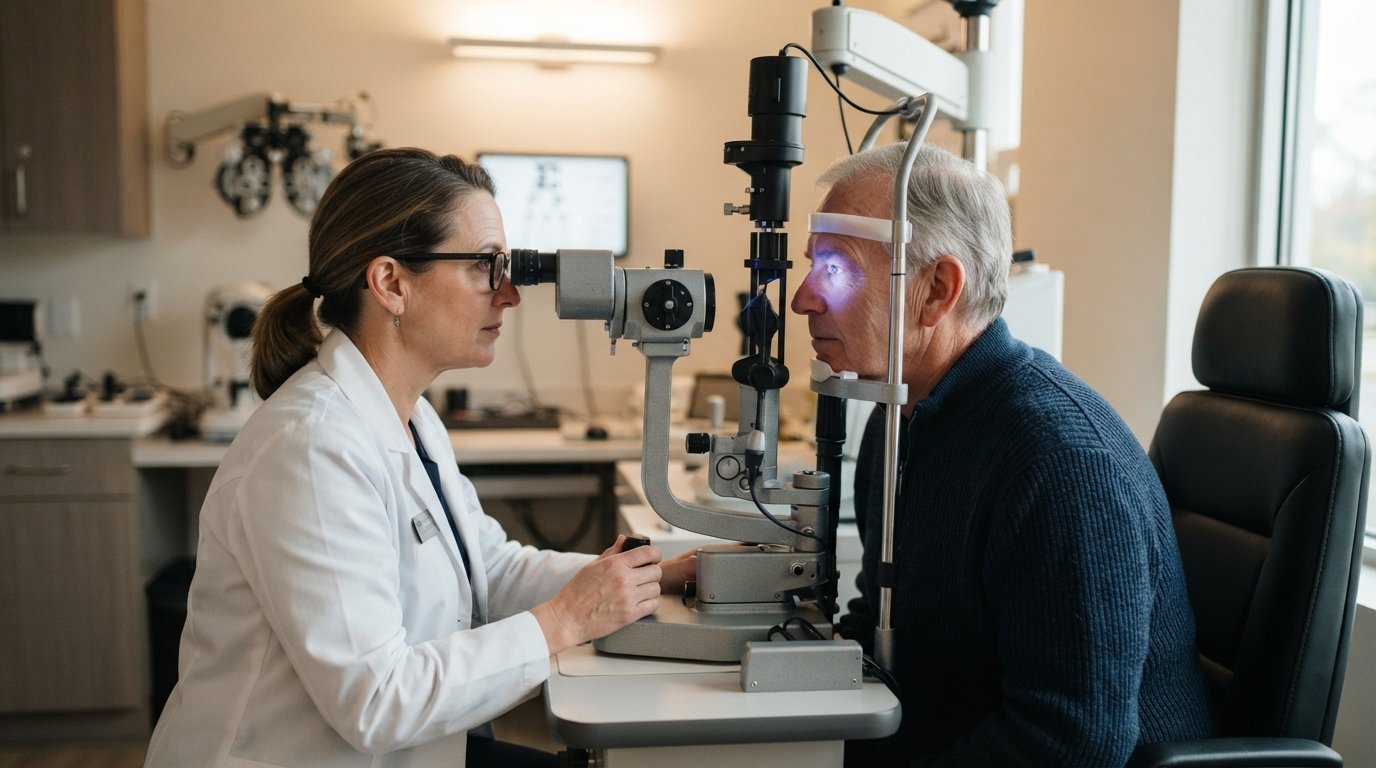
Original Medicare (Part B) covers glaucoma screening tests once every 12 months for individuals who are at high risk. The screening must be performed by an eye doctor (ophthalmologist or optometrist) who is legally authorized to perform the test in your state. Medicare defines high risk based on specific criteria, and you must meet at least one of them to qualify for covered annual screening. The covered tests typically include a dilated eye exam with tonometry (eye pressure measurement) and direct ophthalmoscopy to evaluate the optic nerve. Other tests such as gonioscopy or perimetry may be covered when medically necessary to diagnose or monitor glaucoma, but they fall under diagnostic services rather than the annual screening benefit.
Who qualifies as high risk? Medicare uses the following criteria: you have a family history of glaucoma, you have diabetes, you are African American and age 50 or older, or you are Hispanic American and age 65 or older. If you meet any one of these, you are eligible for the annual glaucoma screening. It is important to note that the screening is a preventive benefit, so you do not need to have symptoms or a prior diagnosis. However, if you have already been diagnosed with glaucoma, your ongoing monitoring and treatment are covered as diagnostic and therapeutic services, not as the screening benefit. In that case, Medicare covers eye exams and tests needed to manage your condition, typically with the standard 20 percent coinsurance after the Part B deductible.
How Often Screening Is Covered and What Documentation You Need
Medicare covers glaucoma screening once every 12 months for high-risk beneficiaries. The 12-month period is calculated from the date of your last covered screening, not the calendar year, so you can schedule your next exam anytime after 11 full months have passed. For example, if you had a screening in March 2025, you would be eligible again in February 2026. Your eye doctor should keep documentation of your risk factors in your medical record. While you do not need to submit paperwork yourself, the provider must note the reason for the screening (such as family history or diabetes) to support the claim. If you are unsure whether you qualify, ask your doctor to document your risk factors before the exam.
Documentation is also important if you have other coverage, such as a Medicare Advantage plan or a standalone vision plan. These plans may have their own rules for frequency and eligibility. Keep a record of your last screening date and bring it to your appointment. If you have Original Medicare and a Medigap plan, your Medigap policy may cover the 20 percent coinsurance for the screening, but check your specific policy. Some Medigap plans cover the Part B coinsurance for preventive services, while others may not. Always confirm with your plan before scheduling.
Diagnostic Eye Exams vs. Routine Vision: What Medicare Pays
Understanding the difference between diagnostic eye exams and routine vision care is key to knowing what Medicare covers. Original Medicare covers diagnostic eye exams and tests when they are medically necessary to diagnose or treat an eye condition. For example, if you have symptoms of glaucoma, diabetic retinopathy, or another eye disease, Medicare will pay for the exam and related tests. It also covers follow-up care and treatment for diagnosed conditions, including glaucoma medications, laser therapy, and surgery. However, Original Medicare does not cover routine vision care, such as eye exams for the sole purpose of prescribing glasses or contact lenses, or the cost of the glasses or contacts themselves. It also does not cover routine eye refractions.
This distinction matters because glaucoma screening is considered a preventive service, not routine vision. As long as you meet the high-risk criteria and the screening is performed by a qualified provider, it is covered under Part B. If you have a diagnostic exam for a specific problem, such as eye pain or blurred vision, that is also covered. But if you simply want a routine eye exam to update your glasses prescription, you will likely pay out of pocket unless you have separate vision coverage. Some Medicare Advantage plans include routine vision benefits, which can help fill this gap.
Costs Under Original Medicare vs. Medicare Advantage
Under Original Medicare, glaucoma screening is covered with no copay or coinsurance for the screening itself, as long as you meet the high-risk criteria and see a qualified provider. You may still be responsible for the Part B deductible if it has not been met, but the screening is generally low-cost. For diagnostic tests and treatment of glaucoma, you pay 20 percent of the Medicare-approved amount after the deductible, and there is no annual limit on out-of-pocket costs unless you have supplemental coverage. This is where Medigap or a Medicare Advantage plan can help.
Medicare Advantage (Part C) plans must cover at least the same services as Original Medicare, so glaucoma screening is included. Many Advantage plans also offer additional vision benefits, such as routine eye exams, eyeglass frames, and contact lenses, which Original Medicare does not cover. The cost-sharing structure varies by plan: you may have a copay for the screening or the diagnostic exam, and the plan may have an annual vision allowance. Some plans include glaucoma screening at no cost, while others may charge a small copay. It is essential to review the plan's Summary of Benefits to understand your costs. If you are considering a Medicare Advantage plan, you can compare options in your area using NewMedicare.com's plan comparison tool.
Pairing Coverage with Medigap or a Vision Plan
If you have Original Medicare, adding a Medigap policy can help cover the 20 percent coinsurance for diagnostic glaucoma tests and treatment. Medigap plans are standardized, and some plans (like Plan G or Plan N) cover the Part B coinsurance, which can significantly reduce your out-of-pocket costs if you need frequent monitoring or treatment. However, Medigap does not add routine vision benefits. For routine eye exams and glasses, you may want to consider a standalone vision insurance plan or a Medicare Advantage plan that includes vision coverage. Vision plans typically cover annual eye exams and provide an allowance for frames and lenses, which can be helpful even if you only need reading glasses.
When pairing coverage, consider your overall health and risk factors. If you have a family history of glaucoma or diabetes, you will likely need regular monitoring, making Medigap a valuable supplement to Original Medicare. If you prefer a simpler, all-in-one approach and want extra vision benefits, a Medicare Advantage plan might be a better fit. To understand how Medicare works with other insurance providers, including Medigap and employer coverage, you can read this comprehensive guide: How Medicare Works With Other Insurance Providers. It explains coordination of benefits and can help you avoid gaps in coverage.
Steps to Confirm Your Coverage and Avoid Surprise Bills
Before scheduling a glaucoma screening or eye exam, take a few steps to confirm your coverage and minimize unexpected costs. First, verify that your eye doctor accepts Medicare and is a participating provider. Second, confirm that you meet the high-risk criteria for the screening benefit and that your doctor will document it. Third, if you have a Medicare Advantage plan, check the plan's vision benefits and any copays for the specific tests. Fourth, if you have a Medigap plan, review whether it covers the Part B coinsurance for diagnostic tests. Finally, ask your doctor's office for a pre-visit cost estimate. Here is a quick checklist to follow:
- Confirm your doctor is a Medicare-participating provider.
- Review your risk factors and ensure they are documented in your medical record.
- Check your plan's coverage for glaucoma screening and diagnostic tests.
- Ask about any copays or coinsurance you may owe.
- Keep a record of your last screening date for future reference.
Following these steps can help you avoid surprise bills and ensure that your glaucoma testing is covered. If you need help understanding your Medicare options or comparing plans, licensed insurance agents can provide personalized guidance. You can also explore life insurance options to protect your family's financial future; for example, BetterLifeQuote helps you compare life insurance quotes from participating carriers in one simple request, with licensed agents who review your needs and help you find coverage that fits your family and your budget.
Frequently Asked Questions About Medicare and Glaucoma Testing
Does Medicare cover eye pressure checks for everyone?
No, Medicare covers glaucoma screening (which includes eye pressure checks) only for individuals at high risk, once every 12 months. If you are not high risk, you may still be covered for diagnostic eye exams if you have symptoms or a suspected condition, but routine screening is not covered.
What if I have glaucoma already? Will Medicare cover my ongoing tests?
Yes, if you have been diagnosed with glaucoma, Medicare covers medically necessary tests and treatment to manage your condition. You will be responsible for the 20 percent coinsurance after the Part B deductible, unless you have supplemental coverage.
Does Medicare Advantage cover routine eye exams?
Many Medicare Advantage plans include routine vision benefits, such as annual eye exams and allowances for glasses or contacts. Check your plan's Summary of Benefits to see what is included.
Can I get a glaucoma screening if I have a Medicare Advantage plan?
Yes, Medicare Advantage plans must cover at least the same services as Original Medicare, including glaucoma screening for high-risk individuals. Your plan may have specific cost-sharing, so review your plan details.
Navigating Medicare coverage for glaucoma testing and eye pressure checks does not have to be confusing. By understanding the high-risk criteria, the difference between screening and diagnostic exams, and how supplemental coverage can help, you can take control of your eye health and your budget. If you have questions or want to compare Medicare plans in your area, consider speaking with a licensed insurance agent who can help you find the right coverage for your needs.
Compare health plans
Finding plans in your area…