
Immunotherapy for Cancer: A Guide to Modern Treatment
Immunotherapy for cancer empowers the body’s immune system to fight tumors. For personalized guidance on these advanced treatments, call 833-203-6742.

By Nadia Holbrook
Compare health plans
Finding plans in your area…
For decades, the primary weapons against cancer were surgery, chemotherapy, and radiation. While often effective, these treatments can be blunt instruments, damaging healthy cells alongside malignant ones. A revolutionary shift is now underway, moving from directly attacking the tumor to empowering the body’s own defense system. This approach, known as immunotherapy for cancer, represents a fundamental change in oncology, offering new hope and durable responses for patients with certain types of advanced cancers. By unlocking the immune system’s innate ability to recognize and destroy cancer cells, immunotherapy has created a new pillar of cancer care, transforming some once-fatal diagnoses into manageable conditions.
Understanding the Immune System and Cancer
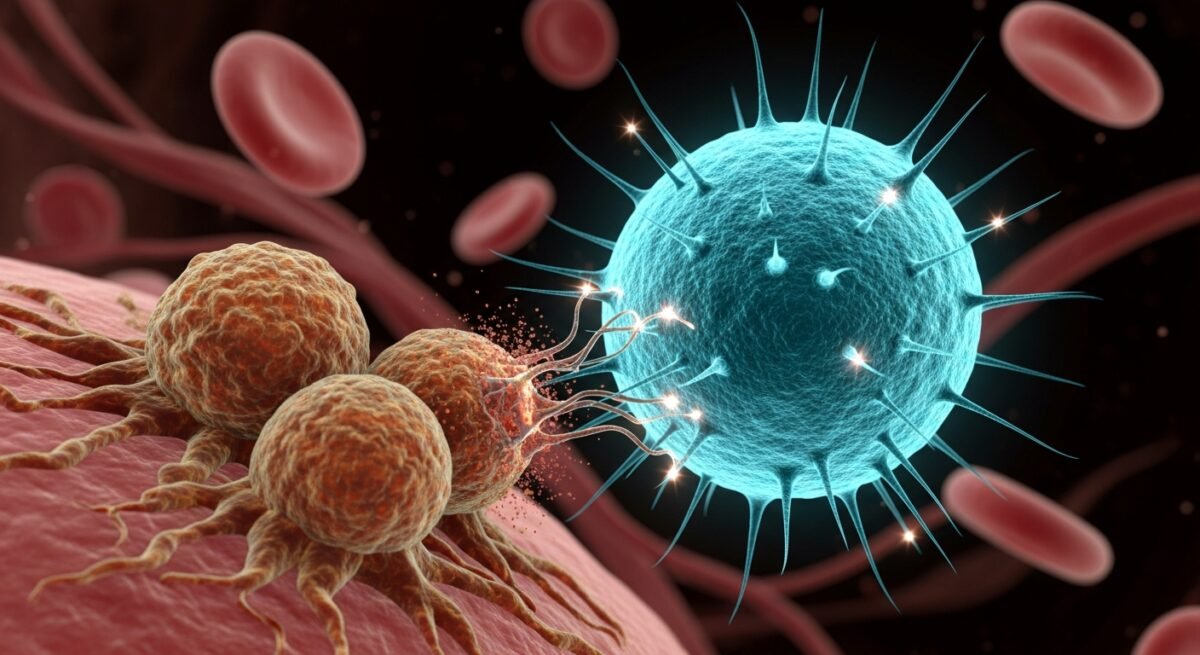
The human immune system is a sophisticated network designed to identify and eliminate foreign invaders, such as viruses and bacteria. It should, in theory, recognize cancer cells as abnormal due to their mutated proteins. However, cancer is a cunning adversary. It employs a variety of strategies to evade immune detection. Tumors can create a microenvironment that suppresses immune activity, essentially putting up a shield. They can also express proteins that act as “off switches” on immune cells, like T-cells, preventing them from launching an attack. This process is known as immune tolerance. Immunotherapy aims to break this tolerance. The core principle is not to kill the cancer cell directly with a drug, but to remove the brakes on the immune system or to enhance its natural targeting mechanisms, allowing the body’s own defenses to seek and destroy the cancer with precision.
Main Types of Cancer Immunotherapy
Immunotherapy is not a single treatment but a broad category encompassing several distinct approaches, each with a unique mechanism of action. The choice of therapy depends heavily on the cancer type, its specific genetic and protein markers, and the patient’s overall health.
Immune Checkpoint Inhibitors
This is the most widely used form of immunotherapy today. Checkpoints are natural proteins on immune cells (like PD-1 or CTLA-4) that act as brakes to prevent overreaction and autoimmune damage. Cancer cells often hijack these checkpoints by expressing corresponding partner proteins (like PD-L1), effectively pressing the brake pedal on the immune response. Checkpoint inhibitor drugs are antibodies that block either the checkpoint protein on the immune cell or its partner on the cancer cell. This releases the brakes, allowing T-cells to recognize and attack the tumor. Drugs targeting the PD-1/PD-L1 pathway (such as pembrolizumab and nivolumab) and the CTLA-4 pathway (ipilimumab) have shown remarkable success in cancers like melanoma, lung cancer, kidney cancer, and more.
CAR T-Cell Therapy
This is a highly personalized and complex form of cellular therapy. A patient’s own T-cells are collected from their blood and genetically engineered in a laboratory to produce special receptors called chimeric antigen receptors (CARs) on their surface. These CARs are designed to recognize a specific protein (antigen) found on the patient’s cancer cells. The engineered CAR T-cells are then multiplied in the lab and infused back into the patient, where they act as a living drug, seeking out and destroying cancer cells that bear the target antigen. CAR T-cell therapies are FDA-approved for certain types of B-cell lymphomas, leukemias, and multiple myeloma. The process involves several key steps:
- Leukapheresis: Collection of the patient’s T-cells via a blood draw.
- Engineering: The T-cells are sent to a manufacturing facility where they are genetically modified to express the CAR.
- Expansion: The CAR T-cells are grown to large numbers.
- Lymphodepletion Chemotherapy: The patient receives chemotherapy to make room for the new cells.
- Infusion: The CAR T-cells are infused back into the patient.
Cancer Vaccines
Unlike preventive vaccines for viruses, most cancer vaccines are therapeutic, meaning they treat existing cancer. They work by stimulating the immune system to attack cancer cells. Some vaccines are made from a patient’s own tumor cells, from tumor-associated antigens, or from immune cells exposed to tumor antigens. The only currently approved therapeutic cancer vaccine is sipuleucel-T for prostate cancer, which involves modifying a patient’s immune cells to target a prostate cancer antigen. Numerous other vaccine approaches are in clinical trials.
Monoclonal Antibodies
These are laboratory-made molecules designed to serve as substitute antibodies. They can work in different ways: some mark cancer cells so they are more easily seen and destroyed by the immune system (a process called antibody-dependent cellular cytotoxicity). Others are conjugated to chemotherapy drugs or radioactive particles, delivering these toxic payloads directly to the cancer cell. Rituximab, for example, targets the CD20 protein on B-cells and is used for lymphomas and leukemias.
Benefits and Potential of Immunotherapy
The appeal of immunotherapy lies in its potential for profound and lasting results. Unlike chemotherapy, which often requires continuous cycles, immunotherapy can sometimes lead to a durable remission where the immune system keeps the cancer in check long after treatment has ended. This phenomenon, sometimes called “immune memory,” mimics how the body remembers and fights off recurring infections. For a subset of patients with advanced cancers that had limited options, immunotherapy has provided long-term survival benefits measured in years. Furthermore, because it targets the immune system rather than all rapidly dividing cells, it can have a different, and sometimes more manageable, side effect profile than traditional chemotherapy, though unique immune-related adverse events require careful management.
Challenges and Side Effects
Immunotherapy is not a panacea, and it comes with significant challenges. First, it does not work for everyone. Response rates vary widely by cancer type and individual biology, and researchers are actively working on biomarkers (like PD-L1 expression or tumor mutational burden) to better predict who will benefit. Second, the side effects, while different from chemotherapy, can be serious. By activating the immune system, these treatments can cause inflammation and attack in normal organs, leading to immune-related adverse events (irAEs). Common sites for these effects include the skin (rash, itching), intestines (colitis, diarrhea), liver (hepatitis), lungs (pneumonitis), and endocrine glands (thyroiditis, adrenal insufficiency). Early recognition and management with corticosteroids or other immunosuppressants are critical. The financial cost of these therapies is also substantial, highlighting the importance of insurance navigation and patient support programs.
The Future and Patient Considerations
The future of immunotherapy lies in combination strategies and expanding its reach. Researchers are combining different immunotherapies (like two checkpoint inhibitors) or pairing immunotherapy with chemotherapy, radiation, or targeted therapy to improve response rates. New targets beyond PD-1 and CTLA-4 are being explored. Furthermore, efforts are underway to make immunotherapies effective for “cold” tumors, which do not currently attract immune cells, turning them into “hot” tumors susceptible to attack. For patients considering immunotherapy, it is a decision made through detailed consultation with an oncologist. Key factors include the specific cancer diagnosis and stage, biomarker testing results, overall health and autoimmune history, and a thorough understanding of potential benefits versus risks and side effects.
Frequently Asked Questions
Is immunotherapy a cure for cancer?
While not a universal cure, immunotherapy has led to long-term, durable remissions and even functional cures for some patients with specific advanced cancers, changing the outlook for diseases like metastatic melanoma.
How is immunotherapy administered?
Most checkpoint inhibitors and monoclonal antibodies are given as intravenous (IV) infusions in an outpatient clinic, typically over 30 to 90 minutes, on a schedule that may be every 2, 3, 4, or 6 weeks. CAR T-cell therapy is a more intensive, one-time infusion usually done in a specialized hospital setting.
What are the most common side effects?
Fatigue, skin rash, itching, diarrhea, and nausea are common. More serious immune-related adverse events can affect the lungs, liver, intestines, or endocrine glands and require prompt medical attention.
How long does it take to see if immunotherapy is working?
Response times can vary. Some patients see a rapid response within weeks, while for others it may take several months. Unlike chemotherapy, tumors may sometimes appear to grow initially due to immune cell infiltration before shrinking, a phenomenon called pseudoprogression.
Is immunotherapy covered by insurance, including Medicare?
Most FDA-approved immunotherapies are covered by private insurance and Medicare Part B (for drugs administered in a clinic) or Part D (for oral drugs). Prior authorization is often required, and out-of-pocket costs can be high, making it essential to understand your plan’s benefits and seek financial assistance programs.
The landscape of cancer treatment has been irrevocably altered by the advent of immunotherapy. It embodies a move towards more personalized, biologically-driven medicine. While challenges of cost, access, and predicting response remain, the ongoing research and clinical successes offer immense promise. For many patients, immunotherapy has provided a powerful new avenue of hope, turning the body’s own intricate defense network into its most potent ally in the fight against cancer.
Compare health plans
Finding plans in your area…