
Hpv Aids Symptoms: Understanding Causes, Signs, and Testing
Learn how HIV and AIDS symptoms impact HPV progression and cancer risk. This guide explains key symptoms, essential screenings, and vital management strategies for long-term health.

By Elaine Whitmore
Compare health plans
Finding plans in your area…
If you are living with HIV or have been diagnosed with AIDS, navigating other health concerns can feel overwhelming. One common and critical health issue that requires specific attention is the Human Papillomavirus (HPV). For individuals with a compromised immune system, a straightforward HPV infection can present a significantly higher risk of developing into serious health complications, including cancers. The intersection of HPV and HIV is a crucial area of health management, as understanding the unique risks, symptoms, and progression of HPV AIDS symptoms is essential for proactive care and maintaining quality of life. This article will clarify this complex relationship, explain what to watch for, and outline the vital steps for prevention and management.
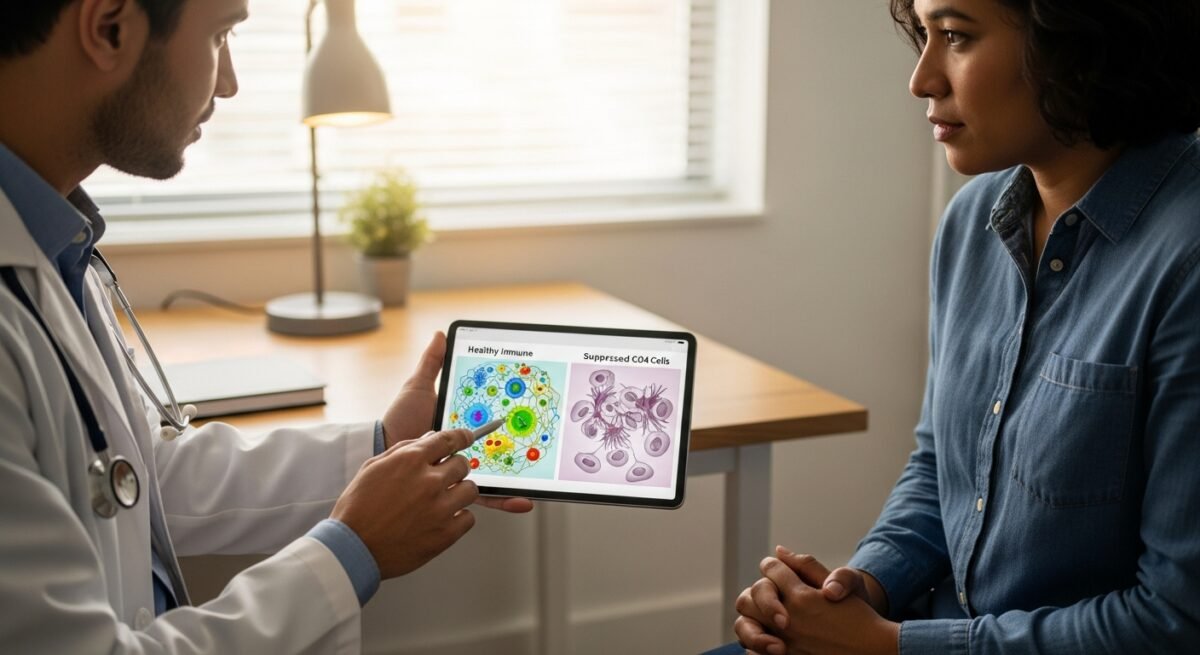
To understand why HPV is a heightened concern, we must first grasp the fundamental role of the immune system. HIV attacks the body’s CD4 cells, which are crucial for orchestrating the immune response. As these cells decline, the body’s ability to fight off infections and control viruses it has previously encountered weakens. This state of immunosuppression is what defines the progression from HIV to AIDS. When the immune system is compromised, it cannot effectively suppress HPV. This means the virus is more likely to persist, to cause more frequent and severe outbreaks of genital warts, and, most critically, to progress from cellular changes to cancer at a faster rate. The risk of HPV-related cancers, such as cervical, anal, penile, vaginal, vulvar, and oropharyngeal cancers, is substantially higher in people living with HIV, especially those with low CD4 counts or an AIDS diagnosis.
The Critical Link Between Immune Status and HPV
The severity and persistence of HPV-related issues are directly tied to the health of your immune system. In someone with a robust immune response, the body often clears HPV infections on its own within one to two years, even if they are high-risk strains. However, for a person with HIV, particularly with advanced AIDS symptoms indicating significant immune suppression, this clearance is far less likely. The virus can remain active for much longer, continuously causing cellular damage. This prolonged activity is what leads to a higher likelihood of precancerous changes, known as dysplasia or neoplasia, which can evolve into invasive cancer if not monitored and treated. Therefore, managing HIV effectively with antiretroviral therapy (ART) is the first and most crucial step in managing HPV risk. By suppressing HIV and allowing the CD4 count to rise, you indirectly help your body regain some control over HPV.
Recognizing the symptoms of HPV in the context of a weakened immune system requires vigilance. It’s important to distinguish between general signs of HPV infection and symptoms that may indicate a more serious progression. For many, HPV is asymptomatic, which is why regular screening is non-negotiable. When symptoms do appear, they can vary widely based on the HPV strain and the affected area. Common manifestations include genital warts, which may appear as small bumps, clusters, or cauliflower-like growths in the genital or anal area. These warts can be more numerous, larger, and harder to treat in immunocompromised individuals. More insidious are the symptoms of HPV-related cancers, which often do not appear until the disease is advanced. This makes understanding the broader context of your health, including any emerging AIDS symptoms, critically important.
Recognizing Symptoms and Seeking Timely Screening
While HPV itself may not cause obvious symptoms until later stages, the conditions it can lead to do. It is essential to be aware of both the signs of potential HPV progression and the general symptoms of advancing HIV/AIDS, as they often coexist and interact. For example, persistent issues in areas where HPV is common should be evaluated promptly.
Key symptoms to discuss with your healthcare provider include:
- Persistent Growths or Sores: Any wart, sore, or unusual growth in the genital, anal, or oral region that does not heal or goes away and returns.
- Unexplained Bleeding or Discharge: Bleeding after intercourse, between menstrual periods, or from the anus, or any unusual discharge.
- Pain or Discomfort: Pain during intercourse, persistent pelvic pain, anal pain, or pain during bowel movements.
- Changes in Skin or Tissue: Color changes, thickening, or persistent itching in genital or anal skin.
- Lumps or Swelling: Any lump or feeling of fullness in the vaginal, vulvar, or anal area, or in the neck or throat.
These local symptoms should be viewed alongside systemic signs of a declining immune system. As outlined in our resource on late stage AIDS symptoms, persistent fatigue, rapid weight loss, recurring fevers, and prolonged diarrhea are signals that your body’s defenses are low. In this state, the risk of HPV progression increases. Therefore, reporting both local HPV symptoms and systemic health changes provides your doctor with a complete picture for better management. For a broader understanding of how HIV transitions to AIDS, you can refer to our detailed explanation on HIV vs AIDS.
Essential Prevention and Management Strategies
Proactive management is the cornerstone of care for individuals with HIV concerning HPV. This involves a multi-layered approach focusing on vaccination, rigorous screening, effective HIV treatment, and safe practices. The HPV vaccine is a powerful tool. It is recommended for all people with HIV through age 26, and for some individuals up to age 45 after discussion with a healthcare provider. While the vaccine is most effective when administered before exposure to HPV, it can still provide protection against strains not yet acquired and is strongly encouraged. Regular screening is your most important defensive strategy. For people assigned female at birth with HIV, cervical cancer screening (Pap smears and possibly HPV tests) should begin soon after diagnosis and is recommended more frequently than for the general population. Similarly, anal Pap smears are often recommended for all people with HIV, regardless of gender or sexual practices, due to the elevated risk of anal cancer.
Adhering to a effective antiretroviral therapy regimen is arguably the most significant action you can take. By achieving and maintaining an undetectable viral load and a higher CD4 count, you directly strengthen your immune system’s ability to keep HPV in check. This reduces the rate of HPV persistence, the recurrence of warts, and the progression to cancer. Open communication with sexual partners about HIV and HPV status, along with consistent use of condoms and dental dams, can reduce the risk of transmitting or acquiring additional HPV strains, though it does not eliminate risk entirely as HPV can infect areas not covered by a barrier. Finally, avoiding smoking is critical, as tobacco use is a major co-factor that accelerates the development of HPV-related cancers.
Frequently Asked Questions
Q: Does having HIV mean I will definitely get cancer from HPV?
A: No, it does not mean it is definite. However, it does mean your risk is significantly higher than that of the general population. This elevated risk makes consistent prevention, screening, and HIV management non-negotiable parts of your healthcare to actively lower that risk.
Q: How often should I get screened for HPV-related cancers?
A: Screening guidelines are more frequent for people with HIV. You should follow the specific schedule set by your healthcare provider, which is typically based on your age, gender, sexual history, and immune status. This often means cervical screening every 6-12 months and discussing the need for anal screening annually.
Q: Can I get the HPV vaccine if I already have HIV and HPV?
A: Yes. The vaccine protects against multiple strains. If you are already infected with one or more HPV types, the vaccine can still protect you against the other types it covers. It is an important preventive step and is recommended for eligible individuals with HIV.
Q: Are HPV symptoms different in people with advanced AIDS symptoms?
A> The symptoms themselves (like warts or cancerous lesions) may be similar, but they are often more severe, more widespread, less responsive to treatment, and more likely to recur quickly. This is why managing the underlying HIV is so crucial. For more on how symptoms manifest differently by gender, see our guide on AIDS symptoms in females.
Navigating the dual challenges of HIV and HPV requires knowledge, partnership with your healthcare team, and a commitment to proactive care. The interconnection between a weakened immune system, signaled by AIDS symptoms, and the aggressive behavior of HPV is clear. By prioritizing your antiretroviral therapy, adhering to a vigilant screening schedule, receiving the HPV vaccine if eligible, and being alert to bodily changes, you take powerful steps to safeguard your health. Remember, early detection and intervention are highly effective. Open, ongoing dialogue with your doctor is your strongest asset in managing these interconnected conditions and focusing on your long-term well-being.
Compare health plans
Finding plans in your area…