
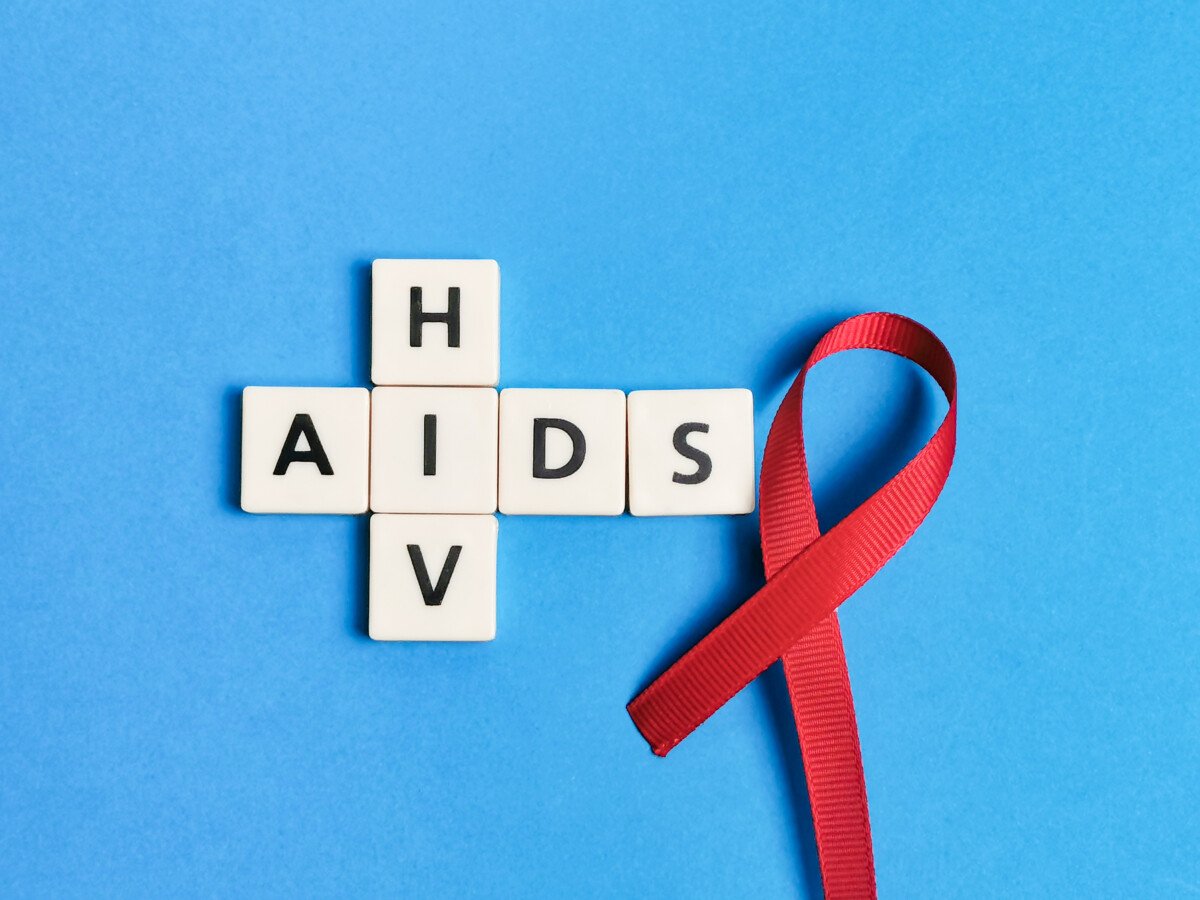
HIV vs AIDS: Causes, Symptoms, and Medical Facts
Learn the crucial medical distinction between HIV, the virus, and AIDS, the syndrome it can cause. This knowledge is key to effective treatment, prevention, and reducing stigma for better health outcomes.

By Gregory Whitfield
Compare health plans
Finding plans in your area…
For decades, the terms HIV vs AIDS have been used interchangeably in public discourse, creating a cloud of confusion that persists even today. This misunderstanding can have serious consequences, from unnecessary fear and stigma to a dangerous complacency about one’s health status. Knowing whether someone is living with HIV or has progressed to AIDS is not just a matter of semantics-it informs treatment strategies, prognosis, and public health approaches. The distinction is a fundamental pillar of modern medicine, representing the critical line between managing a chronic viral infection and treating a severe, life-threatening syndrome. This clarity is essential for patients, caregivers, and the general public to foster accurate understanding and compassionate support.
The Fundamental Definitions: Virus Versus Syndrome
HIV, or Human Immunodeficiency Virus, is precisely what its name suggests: a virus. It is a microscopic pathogen that attacks the body’s immune system, specifically targeting CD4 cells, which are a type of white blood cell crucial for fighting off infections. By invading and destroying these cells, HIV weakens the body’s defense network. A person can live with HIV for many years, often with minimal or no symptoms, while the virus replicates at a low level. The key factor is that HIV is the causative agent, the instigator of a process that, if left unchecked, can lead to a more serious condition.
AIDS, or Acquired Immunodeficiency Syndrome, is not a virus but a syndrome. This is a critical distinction. A syndrome is a collection of specific, severe symptoms and illnesses that occur because of profound damage to the immune system caused by the long-term, untreated presence of HIV. A diagnosis of AIDS is made either when a person’s CD4 cell count drops below a specific threshold (200 cells per cubic millimeter of blood) or when they develop one or more of a defined list of opportunistic infections or cancers, such as Kaposi’s sarcoma or certain types of pneumonia. In essence, HIV is the cause, and AIDS is the potential, most severe consequence.
The Biological Journey: From HIV Infection to AIDS
The progression from HIV to AIDS is not inevitable with modern medicine, but understanding the natural course of the infection without treatment illustrates the critical relationship. After initial exposure, the virus enters the body and begins to replicate. The immune system mounts a response, which can lead to acute flu-like symptoms in some people. This is followed by a clinical latency stage, which can last a decade or more. During this time, the virus is active but reproduces at very low levels. People may feel perfectly healthy, yet the virus is gradually depleting CD4 cells.
As the immune system becomes critically compromised, the body loses its ability to fight off pathogens it would normally handle with ease. This is when opportunistic infections and cancers take hold, marking the transition to AIDS. Without treatment, this stage is life-threatening. The entire timeline underscores that AIDS represents the advanced, final stage of an HIV infection that has gone untreated. It is the end result of immune system failure, not a separate disease.
Diagnosis, Monitoring, and the Role of Modern Treatment
Diagnosing HIV involves testing for the presence of antibodies the body produces to fight the virus or for the virus itself (antigen). A simple blood or oral fluid test can confirm an HIV infection. Monitoring a person living with HIV involves two key metrics: the viral load, which measures the amount of virus in the blood, and the CD4 count, which gauges the health of the immune system. These numbers guide treatment decisions.
The advent of antiretroviral therapy (ART) has revolutionized the outlook for HIV. ART is a combination of daily medications that suppresses the virus to undetectable levels in the blood. When viral load is undetectable, the virus cannot damage the immune system, CD4 counts can recover, and the progression to AIDS is halted. Furthermore, an undetectable viral load means the virus cannot be sexually transmitted to others, a concept known as U=U (Undetectable = Untransmittable). This treatment is so effective that a person diagnosed with HIV today who starts ART early and adheres to it can expect a near-normal life expectancy and will likely never develop AIDS.
Access to consistent healthcare and medication is paramount for this success. For seniors on Medicare, understanding coverage for regular doctor visits, lab tests, and prescription drugs is crucial for managing HIV as a chronic condition. Just as accessing care is vital for chronic conditions like HIV, it is also essential for managing age-related health needs, such as obtaining affordable hearing aids for seniors on Medicare to maintain quality of life.
Dispelling Myths and Addressing Stigma
The confusion between HIV and AIDS fuels stigma and outdated fears. A common myth is that HIV and AIDS are the same, leading people to believe that an HIV diagnosis is an immediate death sentence or that casual contact can transmit AIDS. Neither is true. AIDS itself is not contagious; only HIV is transmissible through specific bodily fluids. A person with AIDS cannot “give” someone else AIDS; they can transmit the HIV virus, which may or may not progress to AIDS in the new host depending on treatment.
Another damaging misconception is that only certain groups of people are at risk. HIV does not discriminate; it is a virus that can affect anyone regardless of sexual orientation, gender, race, or age. Older adults, for instance, represent a growing proportion of new HIV diagnoses, often due to less frequent testing and a lack of awareness about risk. Combating this stigma requires precise language and education. Using “HIV” and “AIDS” correctly is a powerful step in changing public perception and encouraging testing and treatment.
Prevention, Testing, and Living a Full Life
Preventing HIV centers on avoiding exposure to the virus. Key strategies include using condoms during sex, taking pre-exposure prophylaxis (PrEP) medication for those at high risk, and ensuring people living with HIV are on effective treatment to maintain an undetectable status. For those who may have been exposed recently, post-exposure prophylaxis (PEP) can prevent infection if started within 72 hours.
Regular testing is the cornerstone of both prevention and early treatment. Knowing one’s status empowers individuals to protect their own health and that of their partners. If the test is positive, the immediate step is to connect with healthcare and start ART. With consistent treatment, people living with HIV can lead long, healthy lives, pursue careers, have relationships, and have children without passing on the virus. Managing health effectively often involves navigating insurance coverage for various needs. For example, while managing HIV care, one might also need to explore options for other health supports, such as understanding if Medicare Supplement plans cover hearing aids for overall well-being.
Frequently Asked Questions
Can you have AIDS without having HIV?
No. AIDS is caused by the long-term, untreated damage from the Human Immunodeficiency Virus. An AIDS diagnosis is always preceded by an HIV infection. There is no other cause for AIDS.
Is HIV still a fatal disease?
With proper and consistent treatment using antiretroviral therapy, HIV is now considered a manageable chronic condition, like diabetes or hypertension. People who start treatment early and take it as prescribed have a life expectancy nearly equal to those without HIV. Without treatment, HIV can still be fatal as it progresses to AIDS.
How often should I get tested for HIV?
The CDC recommends that everyone between the ages of 13 and 64 get tested for HIV at least once as part of routine healthcare. Individuals with specific risk factors-such as having multiple sexual partners, having sex without condoms, or sharing injection drug equipment-should get tested more frequently, such as every 3 to 6 months.
What does “undetectable” mean?
“Undetectable” means that the amount of HIV in a person’s blood is so low that it cannot be detected by standard lab tests. This is achieved through consistent ART. It is crucial to understand that undetectable does not mean cured. The virus is still present in the body, and if treatment stops, it will rebound. However, being undetectable protects the immune system and eliminates the risk of sexual transmission.
Does Medicare cover HIV treatment and prevention?
Yes. Medicare Part B covers HIV screening tests for people of certain ages or with increased risk. More critically, Medicare Part D prescription drug plans and Medicare Advantage plans that include drug coverage are required to cover all antiretroviral medications used to treat HIV. For those on Medicare considering their overall health coverage, it’s worth comparing plans to see which best Medicare Advantage plans offer the most comprehensive formularies and lowest out-of-pocket costs for ongoing medication needs.
The journey from HIV to AIDS, once a near-certain path, is now almost entirely preventable. This monumental shift is due to decades of scientific advancement, advocacy, and education. The power lies in understanding the distinct roles of the virus and the syndrome, embracing regular testing, and accessing life-saving treatment. By demystifying HIV vs AIDS, we replace fear with knowledge, stigma with support, and fatalism with hope for long, healthy lives for all those affected.
Find the right Medicare plan without the hassle—visit NewMedicare.com or call 📞 (833) 203-6742 for free quotes.
Compare health plans
Finding plans in your area…