
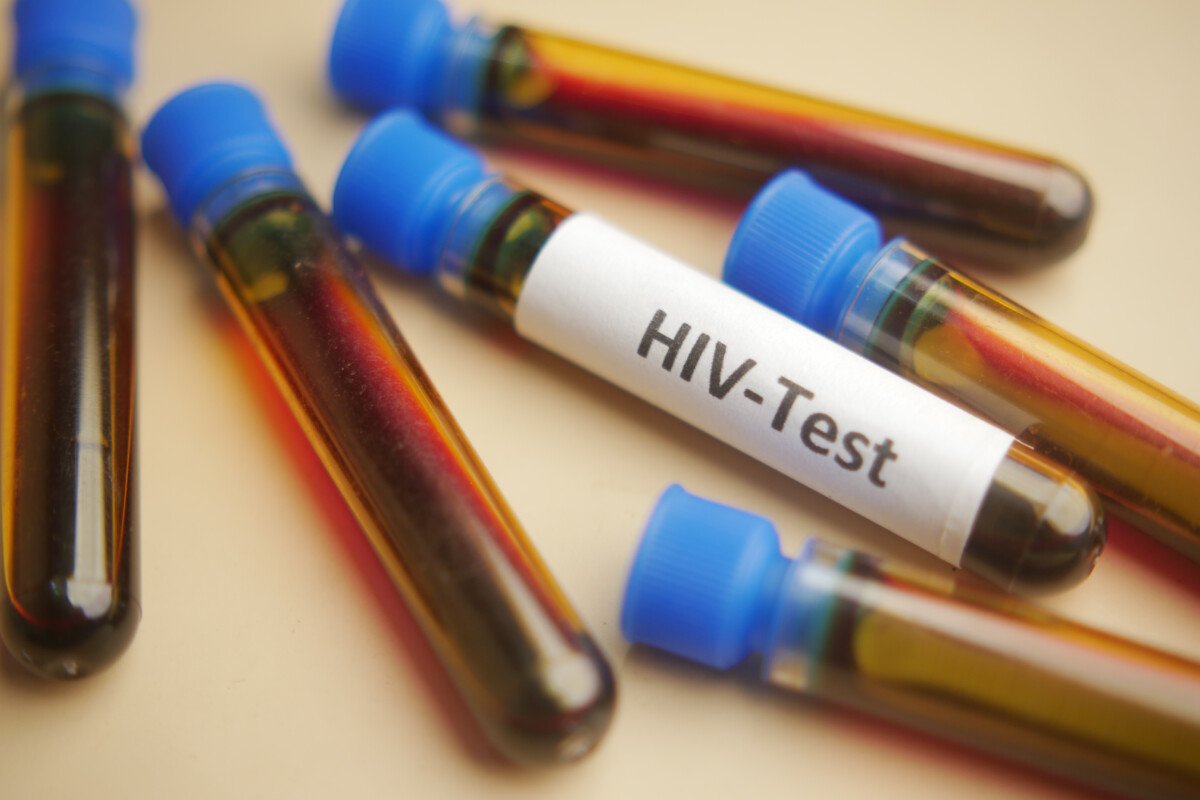
HIV/AIDS Symptoms in Males: From Early to Advanced Stages
Learn to identify early and advanced HIV symptoms specific to men, from acute flu-like signs to AIDS-defining conditions. Understanding these stages is key to seeking timely testing and effective treatment.

By Marlene O’Hara
Compare health plans
Finding plans in your area…
Recognizing the signs of HIV in men is crucial for early intervention and effective long-term health management. Human Immunodeficiency Virus (HIV) presents a unique challenge: its initial symptoms are often mistaken for common illnesses like the flu, leading many men to dismiss them. However, understanding the distinct phases of infection hiv/aids symptoms in males, from the acute stage to the progression to AIDS, can empower individuals to seek timely testing and treatment. This knowledge is not just about identifying a virus; it’s about taking control of your health journey and accessing the modern treatments that allow people with HIV to live long, healthy lives.
Understanding HIV and Its Progression in Men
HIV is a virus that attacks the body’s immune system, specifically the CD4 cells (T cells), which are crucial for fighting off infections. Without treatment, HIV reduces the number of these cells, making the body increasingly vulnerable to opportunistic infections and certain cancers. It’s important to distinguish between HIV and AIDS. AIDS (Acquired Immunodeficiency Syndrome) is the most advanced stage of HIV infection, diagnosed when the immune system is severely damaged. Not everyone with HIV will develop AIDS, especially with early and consistent treatment. The progression from HIV to AIDS is not instantaneous; it typically occurs over several years if the virus is left untreated. For a deeper dive into this distinction, you can explore our comprehensive article on HIV vs AIDS: Causes, Symptoms, and Medical Facts.
The Acute Stage: Early Symptoms After Infection
The earliest stage of HIV infection is called acute HIV infection or primary HIV infection. This phase usually occurs 2 to 4 weeks after exposure to the virus. During this time, the body is launching an initial immune response, which causes flu-like symptoms. It’s critical to note that not every man will experience these symptoms, and their severity can vary widely. Because they are so general, they are frequently missed or attributed to other viral infections.
The symptoms of acute HIV infection can include a high fever, severe fatigue, a sore throat, and swollen lymph nodes, particularly in the neck. Many men also report a distinctive rash, often red and non-itchy, on the torso. Muscle and joint aches, night sweats, and mouth ulcers are also common. These symptoms can last for a few days to several weeks. It is during this acute phase that the virus replicates rapidly and is highly transmissible. If you have engaged in high-risk behavior and experience this cluster of symptoms, it is a strong indicator to get tested.
The Clinical Latency Stage: A Period of Symptom Silence
Following the acute stage, HIV enters a period called clinical latency or chronic HIV infection. During this stage, the virus is still active but reproduces at very low levels. Many men may not have any symptoms at all during this time, which can last for a decade or longer with treatment, or several years without it. This asymptomatic nature is why HIV can go undiagnosed for so long. However, the virus is still causing gradual damage to the immune system. Without antiretroviral therapy (ART), this slow decline in CD4 cells eventually leads to symptomatic illness. Even without obvious signs, the virus is transmissible to others. Regular testing is the only way to know your status during the latency period.
Progression to AIDS: Recognizing Advanced Symptoms
If HIV remains untreated, it eventually overwhelms the immune system, leading to a diagnosis of AIDS. This is defined by either a CD4 cell count dropping below 200 cells per cubic millimeter of blood or the development of one or more opportunistic infections. The symptoms in men at this stage are severe and indicate significant immune damage.
These symptoms are not caused by HIV itself but by the illnesses the body can no longer fight off. Key signs include rapid, unexplained weight loss (wasting syndrome), recurring fever and profuse night sweats, extreme and unexplained fatigue that doesn’t improve with rest, prolonged swelling of the lymph glands, and chronic diarrhea lasting more than a week. Men may also develop persistent white spots or unusual lesions on the tongue or in the mouth (oral thrush), pneumonia, and blotches on or under the skin or inside the mouth, nose, or eyelids. Neurological symptoms like memory loss, depression, and other neurological disorders can also occur. It’s worth noting that while the core disease process is similar, some symptoms of AIDS in women may present differently due to biological factors.
Conditions Common in Men with Advanced HIV
As the immune system falters, certain infections and cancers become more common. These are known as AIDS-defining conditions. For men, some of the most frequently encountered include:
- Pneumocystis pneumonia (PCP): A severe lung infection causing fever, cough, and difficulty breathing.
- Kaposi’s sarcoma: A cancer that causes lesions on the skin, in the mouth, or internally. It often appears as purplish spots.
- Lymphoma: Cancers that begin in the cells of the immune system, often presenting with swollen lymph nodes, fever, and weight loss.
- Candidiasis (thrush): A fungal infection of the mouth, esophagus, or throat.
- Tuberculosis (TB): A bacterial infection that primarily affects the lungs but can spread to other organs.
Understanding the underlying cause of AIDS is fundamental. For a clear explanation of the disease mechanism, refer to our resource on what causes AIDS and how HIV affects the immune system.
The Critical Importance of Testing and Early Diagnosis
Given the often vague or absent early symptoms, testing is the cornerstone of HIV management. The Centers for Disease Control and Prevention (CDC) recommends that everyone between the ages of 13 and 64 get tested for HIV at least once as part of routine healthcare. Men at higher risk—such as those who have sex with men, have multiple partners, or use injection drugs—should get tested more frequently, at least once a year. Modern HIV tests are highly accurate. Rapid tests can provide results in as little as 20 minutes from a finger prick or oral swab. Laboratory tests from a blood draw can detect the virus even sooner after exposure. An early diagnosis allows for immediate initiation of ART, which suppresses the virus to undetectable levels, preserves immune function, prevents progression to AIDS, and eliminates the risk of sexually transmitting HIV to others.
Treatment and Management: Living Well with HIV
A diagnosis of HIV is no longer the prognosis it once was. Today, with proper medical care and treatment, people with HIV can live long, healthy lives. The standard treatment is antiretroviral therapy (ART), which involves taking a combination of HIV medicines daily. ART works by lowering the amount of virus in the body (viral load), sometimes to undetectable levels. This keeps the immune system strong and prevents transmission. Treatment should begin as soon as possible after diagnosis. Adhering to the prescribed medication regimen is essential for its success. Regular visits with a healthcare provider to monitor viral load and CD4 count are also a critical part of management. For an overview of modern approaches, our guide on AIDS treatment offers valuable insights.
Frequently Asked Questions
How soon after exposure can HIV symptoms appear in men?
Early symptoms of acute HIV infection can appear 2 to 4 weeks after exposure, but some men may not experience any symptoms at all for years.
Are HIV symptoms in men different from symptoms in women?
The core symptoms of HIV are largely the same. However, women may experience specific gynecological issues like recurrent vaginal yeast infections or pelvic inflammatory disease. Both genders should be aware of the general and advanced signs.
Can you have HIV and show no symptoms?
Yes. The clinical latency stage is often completely asymptomatic, which is why regular testing is so important, regardless of how you feel.
If my symptoms go away, does that mean the HIV is gone?
No. The disappearance of acute symptoms simply means the body has moved into the chronic stage of infection. The virus remains active and damaging the immune system.
Where can I get tested for HIV?
Testing is available at doctor’s offices, clinics, community health centers, hospitals, and many local health departments. You can also purchase home testing kits at pharmacies or online.
Recognizing the potential signs of HIV is a vital act of self-care. While the journey begins with understanding symptoms, it continues with proactive testing, modern treatment, and consistent healthcare. If you have any reason to believe you may have been exposed to HIV, do not wait for symptoms to appear. Seek testing immediately. An early diagnosis is the most powerful tool for managing your health, protecting others, and building a positive future. Today’s treatments are highly effective, turning what was once a fatal diagnosis into a manageable chronic condition.
Don’t miss out on better benefits. Your free Medicare quote is waiting at NewMedicare.com or 📞 (833) 203-6742.
Compare health plans
Finding plans in your area…