Does Medicare Still Cover Home COVID Tests in 2024?

For millions of Americans enrolled in Medicare, understanding what is covered can be a complex and ever-changing landscape, especially when it comes to public health emergencies like the COVID-19 pandemic. A common and pressing question beneficiaries ask is whether Medicare still pays for at-home COVID-19 tests. The short answer is that the coverage rules have shifted significantly since the height of the pandemic, and your specific plan type now plays a critical role. This article provides a comprehensive, up-to-date breakdown of Medicare coverage for home COVID tests, detailing what you can expect from Original Medicare, Medicare Advantage, and other programs, while offering practical guidance on how to access tests affordably today.
The Evolution of Medicare Coverage for COVID-19 Tests
During the COVID-19 public health emergency (PHE), which officially ended on May 11, 2023, federal rules mandated broad coverage for testing. For a time, Medicare Part B covered FDA-authorized over-the-counter (OTC) COVID-19 tests purchased at pharmacies or online, allowing beneficiaries to get up to eight tests per month at no cost. This was a significant benefit aimed at curbing the spread of the virus. However, with the conclusion of the PHE, these specific mandates expired. Medicare coverage reverted to its standard statutory framework, which treats diagnostic testing differently than it did under emergency authorities. This shift means blanket, no-cost coverage for any at-home test is no longer guaranteed for all enrollees.
The change highlights a broader pattern in how Medicare adapts to emerging health needs. Similar evolutions in coverage can be seen in other areas, such as dental care, where beneficiaries often ask, “Does Medicare pay for tooth extractions?” The answer, much like with COVID tests, depends on specific circumstances and plan details. Understanding these nuances is key to managing your healthcare costs effectively.
Current Coverage: Original Medicare vs. Medicare Advantage
Your coverage for home COVID tests now depends entirely on whether you are enrolled in Original Medicare (Part A and Part B) or a Medicare Advantage plan (Part C). The two systems operate under different rules, especially for benefits like OTC items.
Original Medicare (Part A and Part B) Coverage
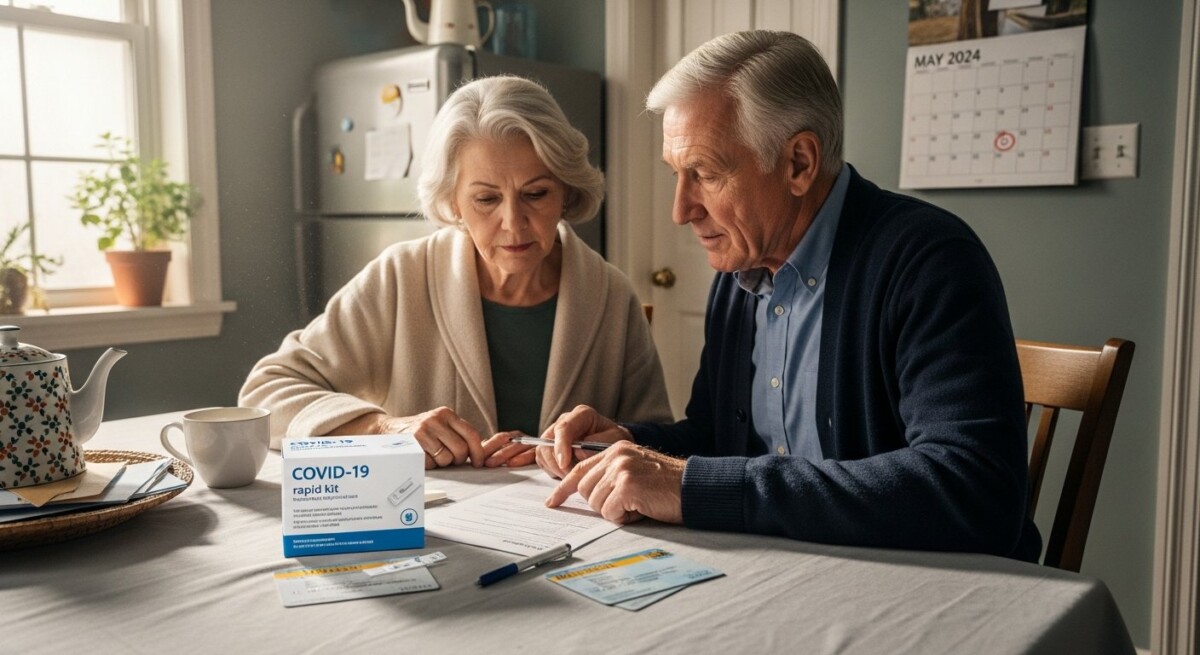
Under standard Original Medicare, there is no coverage for over-the-counter home COVID-19 tests that you purchase yourself at a pharmacy, store, or online. Original Medicare Part B only covers COVID-19 tests when they are ordered by a doctor or other qualified healthcare provider and performed (or analyzed) by a laboratory. This means a PCR or rapid test done at a doctor’s office, clinic, or testing site would typically be covered at 100% of the Medicare-approved amount, with no cost-sharing, when ordered by a provider. However, the kit you buy off the shelf for personal use is considered a self-administered OTC product and is not a benefit under Part B. This distinction between clinically ordered tests and consumer-purchased tests is crucial for beneficiaries to understand to avoid unexpected expenses.
Medicare Advantage (Part C) Plan Coverage
Medicare Advantage plans, offered by private insurance companies approved by Medicare, are required to provide at least the same coverage as Original Medicare (Part A and Part B). However, they have the flexibility to offer additional benefits. Many Medicare Advantage plans have chosen to continue offering some coverage or allowances for over-the-counter home COVID-19 tests as part of their supplemental benefits. This is not universal. Coverage varies dramatically from plan to plan and insurer to insurer.
Some plans may offer a quarterly or annual OTC benefit card or catalog allowance that can be used to purchase approved health items, which may include home COVID tests. Others might have a specific arrangement with pharmacies for test kit distribution. The only way to know for sure is to review your plan’s “Evidence of Coverage” (EOC) document or contact your plan directly. It is also worth comparing plans during the Annual Election Period if this benefit is important to you, just as you would when evaluating coverage for other specific needs like assisted living costs, which we explore in our article on Medicare and assisted living payment options.
How to Get Home COVID Tests with Medicare Today
Even without universal no-cost coverage, there are several pathways for Medicare beneficiaries to obtain home COVID tests affordably or for free.
- Check Your Medicare Advantage Plan: Contact your plan provider or log into your member portal. Ask specifically about OTC benefits, wellness allowances, or any COVID-19 test programs. Inquire about how to access them, whether through a dedicated debit card, online portal, or participating pharmacy network.
- Utilize Community Health Resources: Many local health departments, community centers, and public libraries continue to distribute free at-home COVID-19 tests. The federal government also occasionally relaunches programs offering free tests via mail through websites like COVID.gov.
- Purchase Tests with FSA/HSA Funds: If you have a Flexible Spending Account (FSA) or Health Savings Account (HSA) through current or former employment, you can use these pre-tax dollars to purchase FDA-authorized home COVID-19 tests. This effectively reduces your out-of-pocket cost.
- Seek a Clinical Order: If you have symptoms or have been exposed, contact your doctor. They may order a test that is performed at a clinic (covered by Part B) or, in some cases, provide you with a test kit to take home that is billed as a clinical service, which may be covered.
- Explore State Pharmaceutical Assistance Programs: Some states have programs that help with medication and medical supply costs for eligible residents, which may sometimes include test kits.
Staying proactive about diagnostic resources is a key part of managing chronic conditions. For instance, understanding coverage for essential screenings, such as whether Medicare pays for a colonoscopy, is another critical piece of preventive healthcare planning.
Why Coverage Changed and What It Means for Beneficiaries
The expiration of the public health emergency signaled a shift from a government-led pandemic response to individuals managing COVID-19 as an endemic respiratory virus, similar to the flu. Federal funding for mass testing programs was largely depleted or redirected. Consequently, Medicare’s coverage reverted to its normal parameters, which historically do not include OTC items without a direct clinical order. This change underscores the importance of beneficiaries being informed advocates for their own healthcare. It also highlights the growing role of Medicare Advantage plans in offering tailored, often broader benefits packages that can include OTC items, fitness memberships, and other wellness-focused perks not found in Original Medicare.
This dynamic is similar in other care contexts, such as respite care, where coverage details are highly plan-specific. Our resource on Medicare coverage for respite care explains how these benefits can vary and how to navigate them.
Frequently Asked Questions
Q: Does Medicare Part D cover home COVID tests?
A>No, Medicare Part D covers prescription drugs only. Over-the-counter home COVID tests are not considered prescription medications, so Part D does not cover them.
Q: I have a Medicare Supplement (Medigap) plan. Does it cover the cost of tests?
A>Medigap plans are designed to cover cost-sharing (like copays and deductibles) for services already covered by Original Medicare. Since Original Medicare does not cover self-purchased OTC tests, your Medigap plan will not cover them either.
Q: How can I find out if my Medicare Advantage plan has an OTC benefit?
A>The best ways are to call the customer service number on your member ID card, review your plan’s Annual Notice of Change (ANOC) or Evidence of Coverage (EOC), or check the plan’s online member portal. Look for terms like “OTC allowance,” “healthy benefits,” or “over-the-counter catalog.”
Q: What should I do if I need a COVID test but can’t afford one?
A>First, check with your local health department or community health center for free distribution programs. You can also visit COVID.gov to see if free federal mailing programs are active. If you are experiencing symptoms, contact your doctor; a clinically ordered test at a facility should be covered by Medicare Part B.
Q: Are there any income-based programs to help?
A>State Medicaid programs may cover home COVID tests for individuals who are dual-eligible for both Medicare and Medicaid. Additionally, some community action agencies have resources for low-income seniors.
Navigating Medicare coverage requires staying informed about policy changes and understanding the specifics of your own plan. While the era of guaranteed no-cost home COVID tests for all Medicare beneficiaries has ended, options remain available through certain Medicare Advantage plans, community resources, and strategic use of health savings accounts. By proactively checking your plan details and utilizing public health resources, you can ensure you have access to necessary tests while managing your healthcare budget effectively. For personalized guidance on your coverage, always consult directly with your plan provider or a licensed Medicare advisor.