Does Medicare Cover Eye Exams and Glasses in 2026?
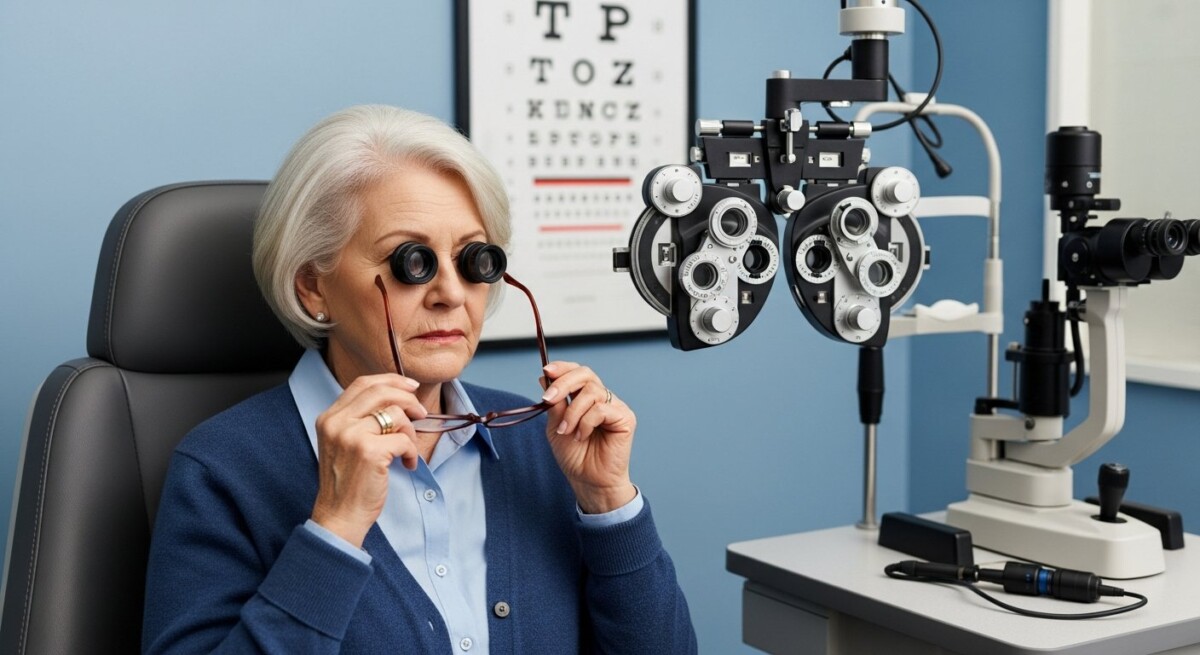
Vision changes can happen gradually, making it easy to overlook the need for regular eye exams. But when blurry text or night driving becomes a challenge, many older adults wonder what their Medicare benefits actually cover. While Original Medicare provides critical hospital and medical insurance, its vision benefits are far more limited than most people expect. Understanding the difference between what Medicare covers for medical eye conditions versus routine vision care can save you hundreds of dollars and prevent surprise bills. This guide breaks down exactly what is covered, what is not, and how to get the most from your benefits.
Original Medicare Part B and Eye Exams
Medicare Part B covers medically necessary eye exams. This means if you have a specific symptom or condition that requires diagnosis or treatment, Part B will pay for the exam. Common examples include sudden vision loss, eye pain, floaters, or suspected conditions like glaucoma, cataracts, or macular degeneration. In these cases, Medicare covers 80 percent of the approved amount after you meet the Part B deductible. You are responsible for the remaining 20 percent coinsurance.
However, routine eye exams for the purpose of checking your prescription or updating glasses are not covered by Original Medicare. If you walk into an optometrist’s office and simply ask for a standard vision checkup and a new glasses prescription, you will pay the full cost out of pocket. This distinction between medical and routine exams is critical. Make sure your provider codes the visit correctly. If you have a complaint like blurry vision or dry eyes, the exam may be billed as a medical visit rather than a routine one.
Medicare also covers one annual glaucoma screening for people at high risk. This includes individuals with diabetes, a family history of glaucoma, African Americans age 50 and older, and Hispanic Americans age 65 and older. The screening is covered at 100 percent with no coinsurance when the provider accepts assignment. For everyone else, the test is not covered unless it is part of a medical diagnosis.
Medicare Coverage for Glasses and Contact Lenses
Original Medicare does not cover eyeglasses or contact lenses for routine vision correction. This is a common misconception that leads to frustration at the checkout counter. The only exception is after cataract surgery when an intraocular lens has been implanted. In that specific case, Medicare covers one pair of standard eyeglasses or one set of contact lenses following the surgery. The coverage includes a basic frame and standard lenses. If you want upgrades like anti-reflective coating, progressive lenses, or designer frames, you pay the difference.
If you have diabetes and need glasses due to diabetic retinopathy or other vision changes, Medicare still will not cover routine glasses. Only the post-cataract surgery benefit applies. This limitation surprises many beneficiaries who assume their vision needs are fully covered. The cost of a basic pair of glasses can range from 100 to 500 dollars depending on the prescription and frame choice. Contact lenses add additional annual costs. Without coverage, these expenses add up quickly.
Some Medicare Advantage plans offer vision benefits that include an allowance for glasses or contact lenses. These plans are offered by private insurers and combine Part A and Part B coverage along with extras like routine vision and dental. If you are considering a Medicare Advantage plan, review the vision benefits carefully. Some plans provide up to 200 dollars toward frames or lenses every two years, while others offer discounts rather than direct coverage. For detailed guidance on comparing plans, see our resource on Blue Medicare Card: Easy Access to Your Medicare Coverage.
Medicare Advantage Plans and Vision Benefits
Medicare Advantage plans (Part C) are required to cover everything Original Medicare covers, but they can add extra benefits. Many plans include routine vision coverage such as annual eye exams, an allowance for glasses or contacts, and discounts on additional pairs. The specific benefits vary widely by plan, county, and insurer. Some plans offer a zero-dollar copay for the eye exam, while others charge a small fee. The glasses allowance may be 150 dollars every two years or 300 dollars every year depending on the plan.
When shopping for a Medicare Advantage plan, look at the plan’s summary of benefits under the vision section. Pay attention to the network of eye care providers. Some plans require you to use a specific chain like VSP or EyeMed. Others allow you to see any provider who accepts the plan. Also check whether the allowance covers both frames and lenses or just frames. A plan with a high monthly premium might offer better vision benefits than a low-premium plan. Weigh the total cost against your expected eye care needs.
If you wear glasses or contacts regularly, a Medicare Advantage plan with robust vision coverage could save you significant money each year. However, if you rarely need vision correction, Original Medicare with a Medigap plan may be a better value. The choice depends on your personal health profile. For help evaluating enrollment timing to avoid gaps, read our guide on When Medicare Coverage Starts: Avoid Gaps in Your Health Care.
Medigap and Vision Coverage
Medigap policies (Medicare Supplement Insurance) help pay for the out-of-pocket costs of Original Medicare, such as copayments, coinsurance, and deductibles. However, Medigap plans do not add coverage for routine vision exams, glasses, or contact lenses. They only cover what Original Medicare covers. If you have a Medigap plan and need a routine eye exam, you still pay the full cost yourself. The same applies to glasses and contacts.
Some people mistakenly assume that because Medigap covers Part B coinsurance, it also covers the 20 percent coinsurance for a routine eye exam. But since Original Medicare does not cover routine exams, there is no coinsurance for Medigap to cover. The only vision-related costs Medigap might help with are the 20 percent coinsurance for a medically necessary eye exam or the 20 percent for post-cataract glasses. For routine vision needs, Medigap offers no help.
If you value comprehensive vision coverage and want a Medigap plan, you will need to purchase a separate stand-alone vision insurance policy or pay out of pocket. Stand-alone vision plans typically cost 10 to 30 dollars per month and provide an annual exam plus a glasses allowance. Compare the cost of these plans against a Medicare Advantage plan that bundles vision coverage. Sometimes a bundled plan is more cost-effective, especially if you also need dental or hearing coverage.
How to Get the Most From Your Medicare Vision Benefits
Maximizing your vision benefits starts with understanding the rules. Here are practical steps you can take:
- Schedule a medically necessary eye exam if you have any vision symptoms. Describe your symptoms clearly to the front desk staff so they bill the visit correctly as a medical exam rather than a routine one.
- After cataract surgery, ask your surgeon about the timeline for ordering your post-surgery glasses. You have a limited window to use the Medicare benefit, usually within a specific number of days after the procedure.
- If you have a Medicare Advantage plan, check your plan’s vision benefit details online or call the member services number. Know your allowance amount, covered providers, and any prior authorization requirements.
- Consider a discount vision program if you pay out of pocket. Many retailers offer membership programs that reduce the cost of exams and glasses by 20 to 40 percent.
These strategies help you avoid paying for care that should be covered. The key is to communicate clearly with your provider about the reason for your visit. If the exam is for a medical reason, remind the billing staff. If you are simply updating your prescription, ask about the cost upfront so there are no surprises.
Another option is to use a flexible spending account (FSA) or health savings account (HSA) if you have one. These accounts let you set aside pre-tax dollars for vision expenses. You can use them to pay for eye exams, glasses, contact lenses, and even prescription sunglasses. This does not reduce the cost but lowers your taxable income. Check whether your employer or health plan offers these accounts during open enrollment.
Frequently Asked Questions
Does Medicare cover eye exams for diabetic retinopathy?
Yes. Medicare Part B covers an annual dilated eye exam for people with diabetes. This is considered a medical screening and is covered at 80 percent after the Part B deductible. If you have diabetes, schedule this exam every year to catch early signs of retinopathy and protect your vision.
Can I get new glasses every year with Medicare?
Original Medicare does not cover glasses at all except after cataract surgery. Medicare Advantage plans may cover glasses every one or two years depending on the plan. Check your plan’s benefit schedule for the exact frequency and dollar limit.
Does Medicare cover Lasik or other refractive surgery?
No. Medicare does not cover Lasik, PRK, or any elective refractive surgery. These procedures are considered cosmetic and are not medically necessary. You must pay for them entirely out of pocket.
What is the cost of an eye exam without Medicare coverage?
A routine eye exam without insurance typically costs between 75 and 200 dollars. The price depends on your location and the provider. Some retail chains offer exams for as low as 50 dollars. Always ask for the cash price before scheduling.
Does Medicare cover eyeglass frames and lenses after cataract surgery?
Yes. After cataract surgery with an intraocular lens implant, Medicare covers one pair of standard eyeglasses or one set of contact lenses. The coverage includes a basic frame and standard lenses. Upgrades are your responsibility.
Making Informed Choices About Your Eye Care
Vision health is an important part of overall well-being, but Medicare coverage for eye exams and glasses has clear limits that require planning. Original Medicare covers medically necessary exams and post-cataract glasses but leaves routine vision care and standard glasses uncovered. Medicare Advantage plans fill many of these gaps but vary significantly by plan and location. Medigap policies help with cost-sharing but do not add routine vision benefits.
To get the care you need without overpaying, review your current coverage annually during the Medicare Open Enrollment Period. Compare the vision benefits of available Medicare Advantage plans against the cost of Original Medicare plus a stand-alone vision policy. If you need help evaluating your options, our detailed guide on Medicare Coverage for Colonoscopy After a Positive Cologuard Test explains how coverage rules for screening services differ from diagnostic services. Similarly, understanding Medicare Coverage for Colonoscopy After Positive Cologuard can help you see how Medicare determines medical necessity across different scenarios.
Your eyes deserve attention, and with the right plan, you can keep them healthy without breaking your budget. Take the time to understand your benefits, ask questions, and choose coverage that matches your vision needs. A small investment in research today can save you significant out-of-pocket costs tomorrow.