
Avoiding Common Mistakes Alzheimer’s Disease Caregivers Make
Learn how to avoid critical errors that lead to caregiver burnout and improve quality of life for both you and your loved one with Alzheimer’s disease.

By Gregory Whitfield
Compare health plans
Finding plans in your area…
Caring for someone with Alzheimer’s disease or another form of dementia is one of the most demanding roles a person can undertake. Fueled by love and dedication, family caregivers often navigate this complex journey with little formal training, relying on instinct and perseverance. Unfortunately, this can lead to well-intentioned but significant errors that compromise the well-being of both the caregiver and the person they are caring for. Recognizing and correcting these common missteps is not about assigning blame, but about empowering caregivers with knowledge to provide better care and protect their own health in the process.
Mistake 1: Correcting the Person and Arguing Over Reality
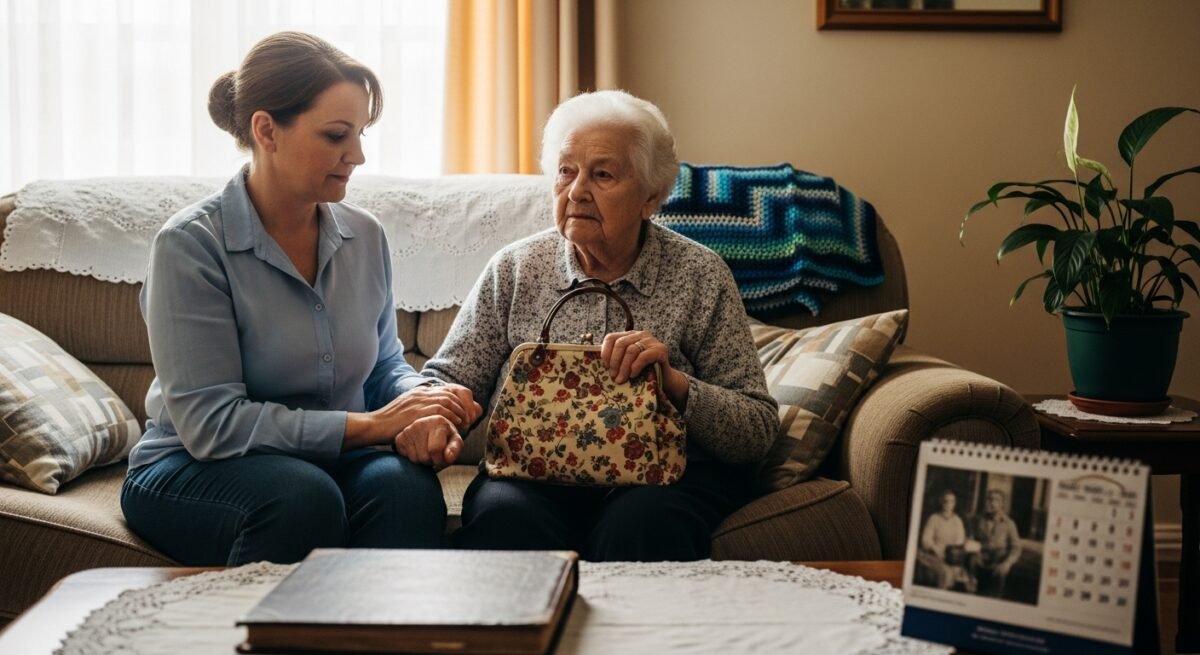
One of the most instinctive, yet detrimental, mistakes Alzheimer’s disease caregivers make is attempting to correct a person’s dementia-altered perception of reality. When a loved one insists it’s 1955, that their long-deceased mother is waiting for them, or that you have stolen their purse (which they hid themselves), the natural response is to provide facts. You might show them a calendar, gently explain the passing of time, or search frantically to prove the purse was not stolen. This logical approach, however, clashes directly with the illogical nature of the brain disease. The person is not lying or being stubborn, they are experiencing a reality shaped by damaged neural pathways. Correcting them does not bring clarity, it only breeds confusion, frustration, and agitation.
The core principle here is to enter their reality, not force them into yours. This technique, often called validation therapy, prioritizes emotional connection over factual accuracy. The goal is to soothe, not to win an argument. If your mother is looking for her mother, responding with, “She’s not here right now, but she loved you so much. Tell me about her,” acknowledges the emotion behind the statement (longing, comfort) without creating a conflict over an impossible fact. By letting go of the need to be right, you preserve the person’s dignity and reduce stress for everyone involved. This shift in communication is fundamental to managing behavioral symptoms.
Mistake 2: Neglecting Personal Health and Well-Being
In the relentless focus on their loved one’s needs, caregivers routinely sacrifice their own physical and mental health. This is perhaps the most universal and dangerous error. The reasoning seems sound at the time: “I don’t have time to exercise,” “My doctor’s appointment can wait,” “I’ll just skip lunch to get this done.” However, caregiver burnout is not a mere inconvenience, it is a serious condition characterized by exhaustion, stress, depression, and a weakened immune system. A burned-out caregiver cannot provide safe, compassionate, or sustainable care. Ignoring self-care is effectively compromising the entire care system.
Sustaining yourself requires intentional planning, not just good intentions. Consider the following non-negotiable pillars of caregiver health:
- Respite is Essential: Schedule regular breaks, whether it’s a few hours for a walk or a weekend using in-home care or adult day services. Respite is a critical tool, not a luxury.
- Maintain Medical Care: Keep your own doctor and dentist appointments. Manage your chronic conditions. Your health is the foundation of your ability to care.
- Nourish Your Body: Prioritize simple, nutritious meals and hydration. Poor diet exacerbates fatigue and illness.
- Connect Socially: Isolation intensifies stress. Make time for a phone call with a friend, a support group meeting (in-person or online), or a brief social outing.
- Seek Professional Help: Therapy or counseling is a sign of strength, providing tools to manage grief, anger, and depression specific to the caregiving journey.
Understanding the progression of the disease is also key to managing your own expectations and energy. For a clearer view of what to anticipate, our guide on the three stages of Alzheimer’s disease outlines the common changes across early, middle, and late stages, helping you prepare both practically and emotionally.
Mistake 3: Underestimating the Need for Routine and Safety Proofing
As Alzheimer’s progresses, the world becomes an increasingly confusing and perilous place. A common caregiver mistake is failing to adapt the home environment and daily structure proactively. Waiting for an accident to happen, like a fall or a kitchen fire, is a risky strategy. Similarly, a day with no predictable rhythm can increase anxiety and sundowning symptoms for the person with dementia, leading to more challenging behaviors.
Creating a safe environment requires viewing the home through a new lens. This goes beyond basic childproofing. It involves securing cleaning chemicals and medications, installing locks on doors leading outside or to the basement, removing throw rugs to prevent tripping, and disabling the stove when unsupervised. Simplifying the environment reduces cognitive overload and physical danger. Paired with safety is the profound comfort of routine. A predictable flow to the day, with consistent times for meals, medication, walks, and calming activities, provides anchors of familiarity. It minimizes the stressful need for constant decision-making and helps regulate sleep-wake cycles. The combination of a safe space and a gentle routine is a powerful non-pharmacological intervention for promoting calm and security.
Mistake 4: Trying to Do It All Alone
Pride, a desire to protect family privacy, or the belief that “no one else can do it right” often leads caregivers into the trap of solitary caregiving. This is a recipe for burnout and can lead to suboptimal care. Alzheimer’s care is a marathon that requires a team. Building your support network is not a sign of failure, it is a strategic necessity. This team can include other family members, friends, neighbors, healthcare professionals, and community resources.
Start by identifying specific tasks others can handle. Can a sibling manage bill payments or research care options? Can a friend sit with your loved one for two hours on Tuesday afternoons? Can a neighbor help with grocery shopping? Professional help is also part of the team. Geriatric care managers can navigate complex care planning. Home health aides can provide personal care and supervision. An elder law attorney can assist with crucial legal and financial documents like Powers of Attorney and advance directives. Exploring insurance coverage, including Medicare, for certain support services is a critical step. Trying to be the sole hero is ultimately unsustainable. Delegating effectively preserves your energy for the intimate, irreplaceable aspects of your caregiving relationship.
Mistake 5: Overlooking Financial and Legal Planning
In the whirlwind of managing daily care, long-term financial and legal planning is often postponed until a crisis forces action. This can be a catastrophic mistake. Early in the diagnosis, while the person with Alzheimer’s can still participate in decisions, is the time to get affairs in order. Key documents must be established, including a Durable Power of Attorney for finances and a Healthcare Power of Attorney or proxy. These allow a trusted agent to make decisions when the person is no longer able. An advance directive (living will) outlines wishes for end-of-life medical care. Without these in place, families face the costly and stressful process of petitioning for guardianship or conservatorship through the courts.
Parallel to this is financial planning. The costs of care, from medications to potential assisted living or memory care, are substantial. A financial advisor specializing in elder care can help assess assets, understand insurance benefits, and plan for eligibility for potential assistance programs. Proactive planning ensures that the person’s wishes are respected, reduces family conflict, and protects financial resources to fund the best possible care throughout the disease’s trajectory.
Frequently Asked Questions
Is it wrong to feel angry and resentful as a caregiver?
No, these feelings are normal and common. Caregiving for someone with Alzheimer’s involves profound loss and relentless stress. Feeling angry at the disease, the situation, or even the person you’re caring for does not mean you are a bad caregiver. It means you are human. Acknowledge these feelings without judgment and seek healthy outlets, such as talking to a therapist or a support group, to process them.
How do I handle repetitive questions without losing my patience?
Repetition is a hallmark of the disease. Instead of showing irritation or saying “You already asked that,” try to see each question as if it’s the first time. Give a simple, calm answer. Sometimes, redirecting to a different activity or providing a visual cue (like writing the answer on a note) can help. The key is to respond to the emotion (often anxiety or a need for reassurance) rather than just the words.
When is it time to consider moving my loved one to a memory care facility?
This is one of the most difficult decisions. Key indicators include: your own health is failing due to care demands, the person’s safety is at serious risk at home (e.g., wandering, aggression), their care needs exceed what you can physically provide (e.g., total assistance with mobility), or their presence creates an unsafe environment for other household members. Consulting with their doctor and a geriatric care manager can provide objective guidance.
Should I tell my loved one they have Alzheimer’s disease?
This is a personal decision that depends on the stage and the individual. In the early stage, some individuals benefit from understanding what is happening to them to participate in planning. As the disease progresses, reminding them of the diagnosis may cause unnecessary distress. Often, using simpler terms like “memory problems” or “trouble with your thinking” is less alarming. Focus on reassurance rather than the clinical label.
The journey of Alzheimer’s caregiving is paved with challenges, but avoiding these common mistakes can significantly lighten the load. By embracing your loved one’s reality, prioritizing your own health, creating a safe and structured environment, building a support team, and planning ahead, you foster a care climate of greater peace, dignity, and resilience. Remember, seeking help and knowledge is the hallmark of a strong and loving caregiver.
To discuss early evaluation or new treatment options, contact 📞833-203-6742 or learn more at Learn About Treatment Options.
Compare health plans
Finding plans in your area…