
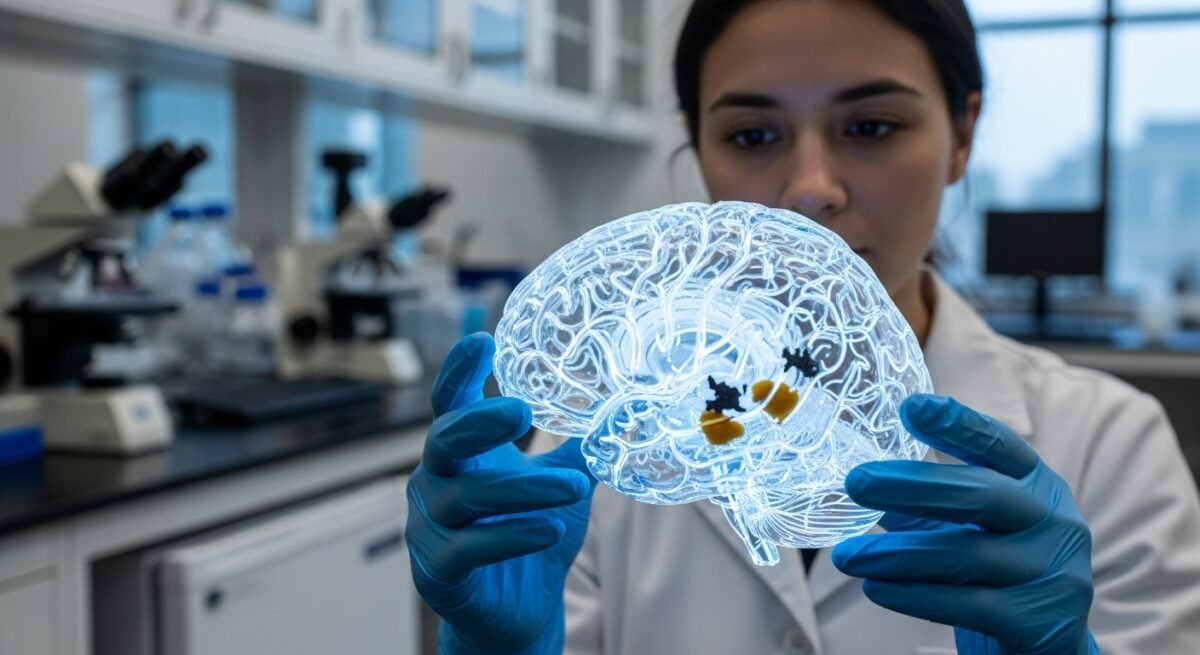
Alzheimers Disease Cure: The Current State and Future Pathways
Explore the latest breakthroughs in Alzheimers disease cure research, from new FDA-approved drugs to the critical lifestyle strategies that can slow progression today.

By Elaine Whitmore
Compare health plans
Finding plans in your area…
For millions of families and individuals, the question of a definitive Alzheimers disease cure represents one of modern medicine’s most urgent and complex challenges. This progressive neurological disorder, the most common cause of dementia, gradually erodes memory, cognitive function, and the ability to perform simple tasks. While the term “cure” often conjures an image of a single, magic bullet treatment, the scientific and medical communities are engaged in a multifaceted battle against Alzheimers. The landscape is evolving rapidly, shifting from a sole focus on managing symptoms to targeting the underlying biological mechanisms of the disease itself. Understanding this landscape, from the promising new drug therapies to the critical role of lifestyle interventions and the immense hope of ongoing research, is essential for patients, caregivers, and anyone invested in a future free from Alzheimers.
Why Finding a Cure for Alzheimers Is So Complex
The quest for an Alzheimers disease cure is hindered by the disease’s intricate and still-not-fully-understood pathology. Unlike many conditions with a single, identifiable cause, Alzheimers involves a cascade of biological failures in the brain. For decades, the dominant theory has been the amyloid hypothesis, which posits that the accumulation of sticky beta-amyloid proteins into plaques outside neurons is a primary driver of the disease. More recently, the tau hypothesis has gained equal footing, focusing on the abnormal tangles of tau protein inside brain cells that disrupt their transport systems. The reality is likely a complex interaction between these processes, alongside inflammation, vascular issues, and the loss of synaptic connections. This complexity means a simple, one-target cure may be elusive. Instead, effective treatment may require a combination therapy approach, similar to cancer or HIV treatment, that addresses multiple pathways simultaneously. Furthermore, the disease begins its destructive work in the brain decades before clinical symptoms like memory loss appear, making early detection and intervention a critical, yet difficult, component of any curative strategy.
The Evolving Treatment Landscape: From Management to Modification
For years, the pharmacological arsenal against Alzheimers was limited to drugs that temporarily managed symptoms. Medications like donepezil (Aricept), rivastigmine (Exelon), and memantine (Namenda) work by regulating neurotransmitters, offering modest improvements in memory and thinking for some patients for a limited time. They do not, however, alter the disease’s progression. The treatment paradigm has begun a historic shift with the advent of disease-modifying therapies (DMTs). These drugs aim to do exactly what their name implies: change the underlying course of the illness by targeting its biological causes.
The most prominent DMTs to date are monoclonal antibodies designed to clear beta-amyloid from the brain. Aducanumab (Aduhelm) and lecanemab (Leqembi) have received accelerated and traditional FDA approval, respectively, while donanemab has shown highly promising phase 3 trial results. These drugs represent a significant conceptual breakthrough, providing the first clear evidence that removing amyloid can slow clinical decline. However, they are not a cure. The slowing of decline is measured, and the drugs come with significant considerations, including the risk of serious side effects like brain swelling and bleeding (ARIA), the necessity for frequent intravenous infusions, and rigorous monitoring with MRI scans. They are also currently indicated only for individuals in the early symptomatic stages of Alzheimers, highlighting the importance of recognizing Alzheimers disease symptoms at their onset.
Beyond amyloid, the research pipeline is rich with other investigative approaches. Scientists are exploring therapies targeting tau protein tangles, neuroinflammation, metabolic support for brain cells, and even genetic factors like the APOE-e4 gene variant. The future likely holds a personalized medicine approach, where treatment is tailored based on an individual’s specific Alzheimers pathology, genetic profile, and stage of disease.
The Foundational Role of Lifestyle and Risk Reduction
While the search for a pharmacological cure accelerates, a powerful and accessible form of intervention lies in lifestyle modification. A growing body of evidence suggests that up to 40% of dementia cases worldwide could be prevented or delayed by addressing modifiable risk factors. This proactive approach is sometimes termed “cognitive reserve” building, strengthening the brain’s resilience to pathology. Key pillars of this strategy include cardiovascular health (managing hypertension, diabetes, and cholesterol), regular physical exercise, a balanced diet like the Mediterranean or MIND diets, cognitive stimulation through learning and social engagement, quality sleep, and hearing loss management. These interventions are not a cure, but they are a critically important part of the holistic fight against Alzheimers. They may delay onset, slow progression, and improve overall quality of life. For individuals concerned about their risk, or those in the earliest stages of Alzheimers disease, integrating these habits is one of the most actionable steps available today.
The Critical Importance of Early Detection and Diagnosis
The adage “time is brain” is profoundly true in Alzheimers. Earlier diagnosis is becoming inseparable from the concept of a future cure. When intervention can begin in the earliest preclinical or mild cognitive impairment (MCI) stages, disease-modifying therapies have the greatest potential to preserve function. Advances in diagnostic tools are making this possible. Beyond cognitive testing, doctors now can use PET scans to detect amyloid or tau in the brain, and blood tests (biomarkers) are emerging as a less invasive, more accessible way to detect signs of Alzheimers pathology years before symptoms arise. An early and accurate diagnosis allows individuals and families to plan for the future, access appropriate clinical trials, implement lifestyle changes, and start available treatments at the optimal time. It also helps rule out other reversible causes of cognitive impairment, such as vitamin deficiencies or thyroid issues. For a deeper dive into the full spectrum of managing this condition, our resource on Alzheimers disease treatment options provides comprehensive information.
Frequently Asked Questions About an Alzheimers Cure
Is there a cure for Alzheimers disease available now?
No, there is not yet a cure that can stop or reverse Alzheimers disease completely. However, recent FDA-approved drugs like lecanemab can slow clinical decline in early-stage patients, representing the first disease-modifying treatments.
How close are we to finding a cure?
The field is moving faster than ever, but predicting a timeline is difficult. The success of anti-amyloid antibodies has validated key research pathways. The focus is now on developing more effective and safer DMTs, combination therapies, and preventative treatments for at-risk individuals before symptoms start.
Will a future cure work for people who already have advanced dementia?
Most current research targets early-stage disease, where there is more brain function to preserve. It is less likely that a future therapy could fully reverse severe neuronal loss. This underscores the vital importance of early detection.
What can I do now to reduce my risk or slow progression?
Engaging in a brain-healthy lifestyle is the most recommended action. This includes regular aerobic exercise, a heart-healthy diet, managing chronic health conditions, staying socially and mentally active, prioritizing sleep, and avoiding smoking and excessive alcohol.
How can I or a loved one get involved in clinical trials for new treatments?
Clinical trials are essential for developing new cures. You can search for trials through the National Institute on Aging’s website or ClinicalTrials.gov. Discuss interest with a neurologist or memory disorder specialist, who can help identify appropriate trials based on diagnosis and stage.
Does Medicare cover the new Alzheimers treatments?
Coverage for new, expensive therapies like lecanemab is complex and evolving. Traditional Medicare (Part B) generally covers FDA-approved drugs administered in a doctor’s office, like infusions, but patients are responsible for a coinsurance percentage. Medicare Advantage plans must provide at least the same coverage as Traditional Medicare but may have different network and prior authorization rules. It is crucial to consult with your specific plan and healthcare provider for the latest, most accurate coverage details and out-of-pocket cost estimates. For a detailed analysis of how different plans handle such advanced treatments, Read full article on our dedicated health insurance analysis platform.
The journey toward an Alzheimers disease cure is a story of remarkable scientific progress meeting profound human need. From the first disease-modifying drugs now in clinics to the vibrant pipeline of research targeting novel mechanisms, the momentum is undeniable. While the word “cure” in its absolute sense remains a goal on the horizon, the present offers more tools and hope than ever before: treatments that can alter the disease trajectory, lifestyle strategies that build resilience, and diagnostic advances that enable earlier action. For patients, families, and caregivers, staying informed, engaging with healthcare teams proactively, and advocating for continued research funding are all powerful actions. The path forward is one of combined effort, where medical innovation, preventive health, and supportive care converge to change the narrative of Alzheimers from one of inevitable decline to one of managed progression, preserved quality of life, and, ultimately, a world without this disease.
Compare health plans
Finding plans in your area…