How to Avoid HIV AIDS: Testing, Prevention & Awareness Guide
How to avoid HIV AIDS is a topic that centers on knowledge, proven medical tools, and informed personal choices. HIV prevention in the modern era is a powerful combination of awareness and action. While the human immunodeficiency virus (HIV) remains a significant global health priority, understanding how it spreads and the effective methods to block transmission empowers individuals to protect their health and the health of their communities. Learning how to avoid HIV AIDS is not about fear, but about practical, science-backed actions that significantly reduce risk. By integrating a clear understanding of transmission routes with available prevention technologies and supportive healthcare, you can confidently navigate relationships and make decisions that safeguard your well-being for the long term.
Understanding HIV Transmission: The Foundation of Prevention
Before exploring specific prevention methods, a solid grasp of how HIV is and is not transmitted is crucial. This knowledge dispels myths and focuses efforts on what truly matters. HIV is a virus that attacks the body’s immune system, specifically CD4 cells (T cells). For transmission to occur, the virus must enter the bloodstream. This happens through specific bodily fluids from a person who has HIV: blood, semen, pre-seminal fluid, rectal fluids, vaginal fluids, and breast milk. The most common routes of transmission are through unprotected anal or vaginal sex and sharing needles or syringes for drug use. Mother-to-child transmission can occur during pregnancy, birth, or breastfeeding, though medical intervention has made this increasingly rare in areas with adequate healthcare.
It is equally important to understand what does not transmit HIV. The virus cannot survive long outside the human body. You cannot get HIV from casual contact like hugging, shaking hands, or sharing toilets, dishes, or drinking glasses. Saliva, tears, and sweat that are not mixed with the blood of a person with HIV do not transmit the virus. Mosquitoes and other insects cannot transmit HIV. This clarity is vital because stigma and misinformation are themselves barriers to effective prevention and testing. Knowing the real risks allows you to channel your energy into the strategies that offer genuine protection.
Primary Prevention Methods: Your First Line of Defense
The cornerstone of HIV prevention involves methods that stop the virus from entering the body in the first place. These are behavioral and barrier-based strategies that, when used consistently and correctly, offer high levels of protection.
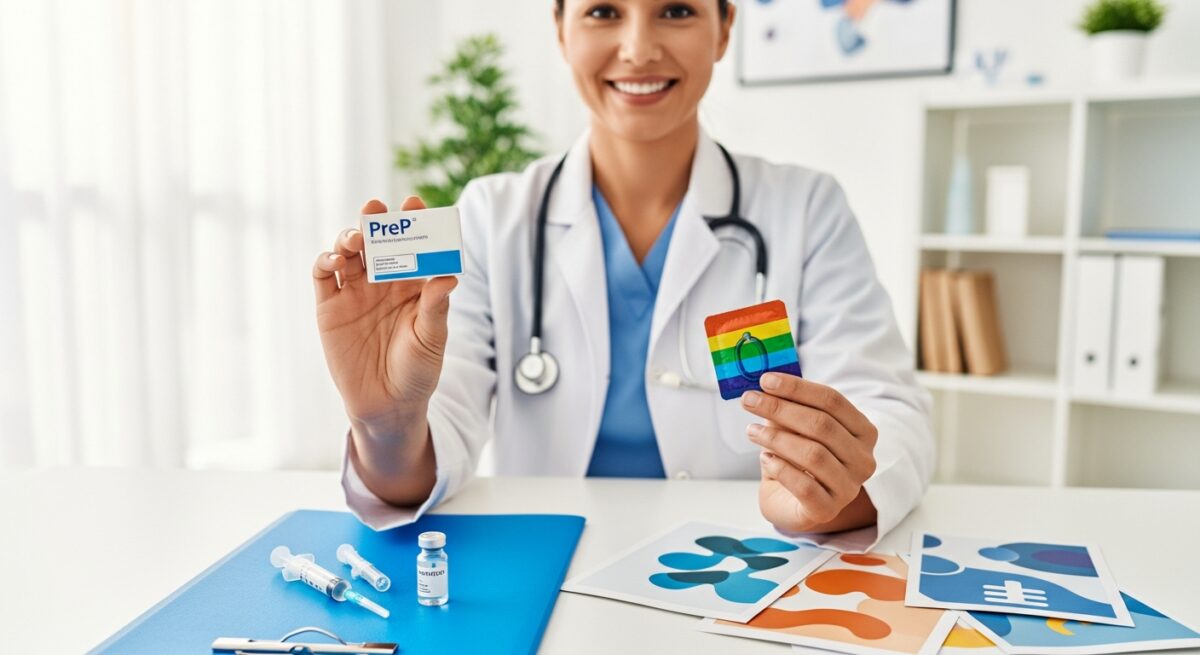
Consistent and correct use of condoms is one of the most effective and accessible tools. Latex or polyurethane condoms, used for every act of vaginal or anal sex, create a physical barrier that prevents the exchange of bodily fluids containing HIV. Internal condoms (also called female condoms) are also highly effective. For oral sex, while the risk is significantly lower, using dental dams or non-lubricated, cut-open condoms can reduce risk further. It’s essential to use water-based or silicone-based lubricants with latex condoms, as oil-based lubricants can weaken the latex and cause breakage.
For people who inject drugs, never sharing needles, syringes, or any other injection equipment (like cookers, cotton, or water) is paramount. Many communities offer syringe services programs (SSPs) that provide sterile needles and syringes and safely dispose of used ones, dramatically reducing transmission risk and serving as a bridge to treatment and other health services. If an SSP is not accessible, using only new, sterile equipment for every injection is non-negotiable for prevention. For those engaging in sexual activity, open communication with partners about sexual health, HIV status, and prevention methods is a critical, though often challenging, component of a comprehensive strategy.
Biomedical Interventions: Powerful Medical Tools for Prevention
Beyond behavioral methods, modern medicine provides several highly effective biomedical interventions. These are game-changers in the HIV prevention landscape, offering additional layers of security.
Pre-Exposure Prophylaxis (PrEP)
Pre-Exposure Prophylaxis, or PrEP, is a daily prescription medication for people who are HIV-negative but at substantial ongoing risk. When taken as prescribed, PrEP reduces the risk of getting HIV from sex by about 99% and from injection drug use by at least 74%. It works by stopping HIV from establishing an infection inside the body. PrEP is a commitment that involves regular medical visits for testing and prescription refills, but it provides powerful, user-controlled protection that is not dependent on a partner’s actions or consistency in using condoms. Discussing PrEP with a healthcare provider is a key step for anyone whose lifestyle or relationship status may put them at higher risk.
Post-Exposure Prophylaxis (PEP)
Post-Exposure Prophylaxis, or PEP, is an emergency medication taken after a potential exposure to HIV to prevent the virus from taking hold. PEP must be started within 72 hours of a possible exposure, and the sooner it is started (ideally within 24 hours), the more effective it is. It involves taking HIV medicines daily for 28 days. PEP is intended for emergency situations, such as a condom breaking during sex with a partner of unknown HIV status, a needlestick injury in a healthcare setting, or after a sexual assault. It is not a substitute for regular use of other prevention methods like PrEP or condoms.
The Undetectable Equals Untransmittable (U=U) Revolution
One of the most significant advances in HIV science and prevention is the undeniable evidence behind “Undetectable = Untransmittable,” or U=U. This means that people with HIV who take medication as prescribed and achieve and maintain an undetectable viral load (the amount of HIV in their blood) cannot sexually transmit HIV to their partners. The evidence is conclusive: ZERO risk of transmission through sex when viral load is undetectable. This has profound implications for prevention, relationships, and stigma.
For serodiscordant couples (where one partner has HIV and the other does not), U=U provides a clear path to a healthy sexual relationship without fear of transmission. It empowers people living with HIV to know that by adhering to their treatment, they are protecting their own health and that of their partners. This principle reinforces the critical importance of regular testing and immediate linkage to care and treatment for anyone diagnosed with HIV. Treatment is prevention. Ensuring widespread access to antiretroviral therapy and supporting medication adherence are now fundamental pillars of ending the HIV epidemic.
Comprehensive Sexual Health and Harm Reduction
A holistic approach to avoiding HIV integrates it into a broader framework of sexual health and well-being. This includes regular screening for HIV and other sexually transmitted infections (STIs). Many STIs can cause sores or inflammation that make it easier for HIV to enter the body. Diagnosing and treating STIs promptly is itself an HIV prevention strategy. Honest conversations with healthcare providers about your sexual practices and risk factors enable them to offer the most appropriate testing schedule and prevention recommendations for you.
Harm reduction is a pragmatic and compassionate set of strategies that meets people where they are, reducing negative health consequences without requiring abstinence. For substance use, this includes the syringe services programs mentioned earlier, as well as access to medication-assisted treatment (MAT) for opioid use disorder. For sexual health, harm reduction may involve a combination of methods—like using condoms most of the time while also being on PrEP, or choosing sexual activities that carry lower risk. The goal is to provide a spectrum of options that individuals can use to incrementally reduce their risk, recognizing that perfection is not a prerequisite for protection.
Frequently Asked Questions
Can I get HIV from oral sex?
The risk of getting HIV from oral sex is extremely low, much lower than from anal or vaginal sex. Transmission could occur if there are open sores or bleeding gums in the mouth and contact with ejaculate or menstrual blood. Using barriers like dental dams or condoms can eliminate this minimal risk.
How often should I get tested for HIV?
The CDC recommends that everyone between the ages of 13 and 64 get tested for HIV at least once as part of routine healthcare. If you have ongoing risk factors—such as multiple partners, a partner whose status is unknown, or sharing injection equipment—you should get tested more frequently, such as every 3 to 6 months. Your healthcare provider can help determine the best testing schedule for you.
Is PrEP safe? What are the side effects?
PrEP is safe for most people. When starting PrEP, some individuals experience mild side effects like nausea, headache, or dizziness, but these usually go away within the first few weeks. Serious side effects are rare. Regular monitoring through a healthcare provider ensures safety and checks kidney function, as some PrEP medications can affect it in a small number of people.
If I am on PrEP, do I still need to use condoms?
PrEP is highly effective at preventing HIV, but it does not protect against other STIs or pregnancy. Using condoms in addition to PrEP provides the most comprehensive protection against a range of sexual health concerns. This combination approach is often recommended.
What should I do if I think I’ve been exposed to HIV?
Do not wait. Seek medical attention immediately at an emergency room, urgent care clinic, or from your healthcare provider. Ask about PEP (Post-Exposure Prophylaxis). PEP must be started within 72 hours of exposure to be effective, and every hour counts.
Ultimately, knowing how to avoid HIV and AIDS is about building a personalized toolkit of strategies that work for your life. It combines the enduring effectiveness of condoms and clean needles with the revolutionary power of PrEP, PEP, and U=U. This multi-layered approach, grounded in science and free from stigma, offers robust protection and peace of mind. By taking proactive steps like getting tested regularly, discussing prevention options with a doctor, and communicating openly with partners, you take control of your health. Prevention is dynamic, achievable, and a fundamental part of caring for yourself and your community.