Tongue AIDS Symptoms: How HIV Can Affect Oral Health
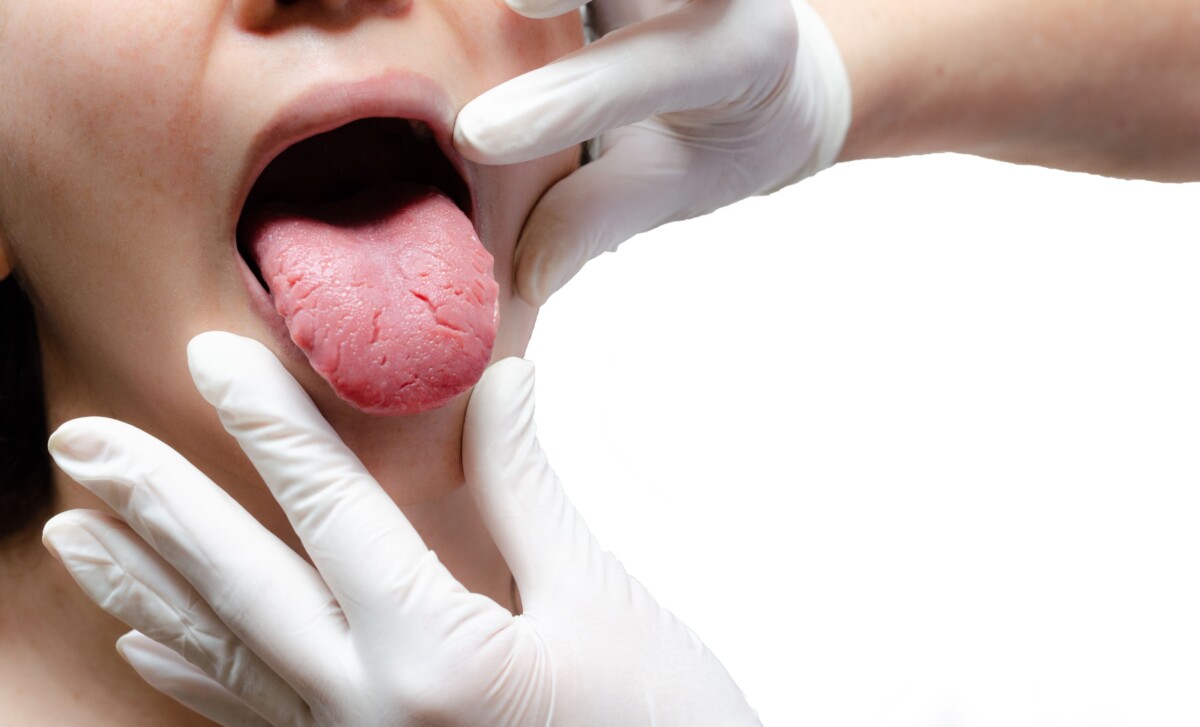
For individuals living with HIV, the progression to Acquired Immunodeficiency Syndrome (AIDS) represents a critical stage where the severely weakened immune system can no longer defend against opportunistic infections and certain cancers. While AIDS affects the entire body, some of the most telling and distressing signs manifest in the oral cavity, particularly on the tongue and throughout the mouth. Recognizing tongue aids symptoms is not just about identifying a problem; it’s a vital step in seeking timely medical intervention, managing complications, and improving quality of life. Changes in the mouth are often among the first noticeable indicators of advanced HIV disease, serving as a crucial signal for both patients and healthcare providers.
The Critical Link Between Oral Health and HIV/AIDS
The mouth is a primary site for opportunistic infections in AIDS because it is a gateway to the body and hosts a complex ecosystem of bacteria, fungi, and viruses. A healthy immune system keeps this microbial balance in check. However, when the CD4 T-cell count falls below a critical threshold, typically 200 cells per microliter, the body loses its ability to control these organisms. This immunosuppression allows pathogens that are normally harmless or kept at low levels to proliferate, leading to painful and sometimes debilitating oral conditions. Monitoring oral health is therefore an essential component of comprehensive HIV/AIDS care, as these lesions can interfere with nutrition, medication adherence, and overall comfort.
Common Tongue and Oral Symptoms Associated with AIDS
A variety of specific conditions are strongly linked to advanced HIV disease. Their appearance, sensation, and location can vary, but their presence often signals a significant decline in immune function.
Oral Candidiasis (Thrush)
This is one of the most frequent and classic oral manifestations of AIDS. Caused by an overgrowth of the Candida fungus, it presents in several forms. Pseudomembranous candidiasis appears as creamy white, curd-like plaques that can be wiped off, leaving a red or bleeding base. These plaques commonly coat the tongue, inner cheeks, and palate. Erythematous candidiasis manifests as flat, red patches, often on the palate and the back of the tongue. Angular cheilitis, characterized by painful cracks and redness at the corners of the mouth, is also common. Thrush can cause a burning sensation, altered taste, and difficulty swallowing, which can lead to reduced food intake and weight loss. Persistent or recurrent oral thrush is a key indicator for healthcare providers to evaluate a patient’s immune status.
Oral Hairy Leukoplakia (OHL)
This condition is almost pathognomonic for HIV infection and is caused by the Epstein-Barr virus. It appears as white, corrugated or “hairy” patches that cannot be scraped off. These patches are most commonly found on the lateral (side) borders of the tongue. Unlike thrush, OHL is usually painless and does not typically require treatment for the lesion itself. However, its presence is a significant marker of immunosuppression and often prompts a review of a patient’s antiretroviral therapy (ART) regimen to improve immune function. Understanding the broader context of how HIV affects the immune system is key, as detailed in our resource on what causes AIDS and how HIV affects the immune system.
Kaposi’s Sarcoma (KS)
This cancer, associated with Human Herpesvirus 8 (HHV-8), is an AIDS-defining illness. In the mouth, KS lesions can appear on the palate, gums, or tongue. They start as flat or raised patches that are red, purple, or blueish in color. These lesions may be painless initially but can become ulcerated, bleed, or cause discomfort, especially if they interfere with dentures or eating. The appearance of oral KS is a serious development that requires oncological management alongside HIV care.
Severe and Recurrent Ulcerations
Individuals with AIDS may experience major aphthous ulcers (canker sores) that are larger, more painful, and longer-lasting than typical minor ulcers. These major ulcers can exceed 1 cm in diameter, have a crater-like appearance with a grayish base, and take weeks to heal. They can occur on the tongue, inner lips, and soft palate, causing significant pain that impedes speaking and eating. Herpes simplex virus (HSV) outbreaks can also be more severe, presenting as large, coalescing ulcerations rather than the typical small clusters of blisters.
Other Notable Oral Manifestations
Beyond the most common conditions, other oral signs of advanced HIV disease include linear gingival erythema, a distinct red band along the gum line that does not respond well to standard dental hygiene; necrotizing ulcerative periodontitis, a rapidly destructive infection of the gums and bone supporting the teeth; and xerostomia (dry mouth), which can be a side effect of medications or due to salivary gland disease. Dry mouth further increases the risk of cavities and fungal infections.
Diagnosis, Management, and the Role of Treatment
If you or someone you care for is experiencing persistent tongue aids symptoms or other oral lesions, it is imperative to consult both a healthcare provider managing the HIV infection and a dentist experienced in treating patients with HIV/AIDS. Diagnosis typically involves a visual examination and may include a biopsy or culture to confirm the specific pathogen, especially if the lesion is atypical or not responding to initial treatment.
The most fundamental strategy for managing these oral conditions is achieving and maintaining viral suppression through effective Antiretroviral Therapy (ART). A robust immune system is the best defense. For specific infections, targeted treatments are used:
- For Oral Candidiasis: Antifungal medications such as clotrimazole lozenges, nystatin suspension, or systemic fluconazole.
- For Oral Hairy Leukoplakia: Often improves with effective ART; antiviral drugs like acyclovir may be used in some cases.
- For Kaposi’s Sarcoma: Treatment may involve local therapy (e.g., injections, cryotherapy) or systemic chemotherapy, often in consultation with an oncologist.
- For Major Ulcers: Topical corticosteroids, systemic medications like thalidomide or colchicine, and potent pain management.
Excellent oral hygiene is non-negotiable. This includes gentle brushing with a soft toothbrush, flossing carefully, and using alcohol-free mouth rinses. Regular dental check-ups are crucial for early detection and management. For a comprehensive look at managing the overall condition, explore AIDS treatment options for better health.
Frequently Asked Questions
Can mouth problems be the first sign of HIV? Yes, certain oral conditions like persistent thrush or oral hairy leukoplakia can sometimes be the initial indicator that leads to an HIV diagnosis, as they signal significant immune compromise.
Do these oral symptoms mean I definitely have AIDS? Not necessarily. While strongly associated with advanced disease, some conditions like thrush can occur in people with less advanced HIV or even other causes of temporary immune suppression. However, their presence should always prompt a thorough medical evaluation.
Will these mouth problems go away with HIV treatment? In most cases, yes. Starting or optimizing Antiretroviral Therapy (ART) to rebuild the immune system is the most effective long-term strategy for resolving and preventing these opportunistic infections. Specific medications can help clear active infections in the short term.
How can I differentiate between a common canker sore and an AIDS-related ulcer? Common minor aphthous ulcers are usually small (less than 1 cm), last 7-10 days, and heal without scarring. AIDS-related major aphthous ulcers are larger (often over 1 cm), deeper, extremely painful, persist for several weeks or longer, and may scar. Any ulcer that is unusually large, severe, or does not heal within two weeks should be evaluated by a doctor.
Where can I find more information on specific symptoms? For a detailed look at how AIDS can manifest on the skin, which often coincides with oral symptoms, our article on AIDS symptoms and skin changes provides clear explanations.
Vigilance regarding oral health is a powerful tool for anyone living with HIV. Changes on the tongue and in the mouth are more than minor irritations; they are communicative signals from an immune system under profound stress. Recognizing these tongue aids symptoms, seeking prompt professional diagnosis, and adhering to a comprehensive treatment plan that includes effective ART are the cornerstones of managing these complications. Proactive care, in partnership with a knowledgeable medical team, can alleviate discomfort, prevent serious health consequences, and significantly contribute to long-term well-being.
Save more on Medicare! Get your free personalized quote at NewMedicare.com or speak with a licensed agent at 📞 (833) 203-6742.