Symptoms of Feline AIDS: Health Changes You Shouldn’t Ignore
As a cat owner, noticing subtle changes in your pet’s behavior or health can be the first clue to a serious underlying condition. Feline Immunodeficiency Virus, commonly known as Feline AIDS, is a slow-acting viral infection that compromises a cat’s immune system, leaving them vulnerable to secondary infections. Unlike human HIV, FIV is species-specific and cannot be transmitted to humans or other non-feline animals. The challenge with this virus lies in its latency period; cats can appear perfectly healthy for years while the virus silently weakens their defenses. Recognizing the often-subtle symptoms of Feline AIDS early can dramatically improve your cat’s quality of life and longevity through proper management and veterinary care.
Understanding Feline Immunodeficiency Virus (FIV)
Feline Immunodeficiency Virus is a retrovirus that attacks the immune system of domestic cats, similar to how HIV affects humans. The virus primarily spreads through deep bite wounds during cat fights, which is why outdoor, unneutered male cats face the highest risk. Unlike casual contact, the virus isn’t typically transmitted through shared food bowls, mutual grooming, or sneezing. Once infected, the virus progresses through several stages: the acute phase shortly after infection, an asymptomatic phase that can last years, and finally the terminal phase where the immune system becomes severely compromised. During the asymptomatic phase, cats show no outward signs of illness, making regular veterinary checkups and testing crucial for early detection. Understanding this progression helps explain why symptoms may not appear until years after initial infection.
Common Symptoms of Feline AIDS
The symptoms of FIV infection typically emerge during the later stages of the disease when the immune system becomes significantly weakened. These signs often resemble those of other illnesses, which is why veterinary diagnosis is essential. The most common symptoms manifest in several key areas of feline health.
Cats with advanced FIV frequently experience chronic or recurrent infections that a healthy immune system would typically fight off. These include persistent respiratory infections with symptoms like sneezing, nasal discharge, and conjunctivitis. Skin infections, ear infections, and urinary tract infections become more common and resistant to treatment. Dental disease is particularly notable in FIV-positive cats, often presenting as severe gingivitis and stomatitis with inflamed, painful gums that make eating difficult. Like humans seeking hearing assistance, cats with compromised health need specialized care approaches. Understanding your pet insurance options for chronic conditions is valuable; our guide on insurance coverage for specialized treatments explores how different plans handle ongoing care.
Beyond specific infections, systemic symptoms often develop. These include persistent fever that comes and goes without obvious cause, lethargy and decreased activity levels, and noticeable weight loss despite maintaining normal appetite. Enlarged lymph nodes may be palpable in various parts of the body. Some cats develop neurological symptoms such as behavioral changes, seizures, or vision problems as the disease progresses. Gastrointestinal issues like chronic diarrhea, vomiting, or loss of appetite are also common. The pattern of these symptoms often involves cycles of illness followed by periods of apparent recovery, which can confuse owners about the seriousness of their cat’s condition.
Medicare shouldn’t be confusing—get expert help at no cost. Visit NewMedicare.com or call 📞 (833) 203-6742.
Diagnostic Process and Veterinary Care
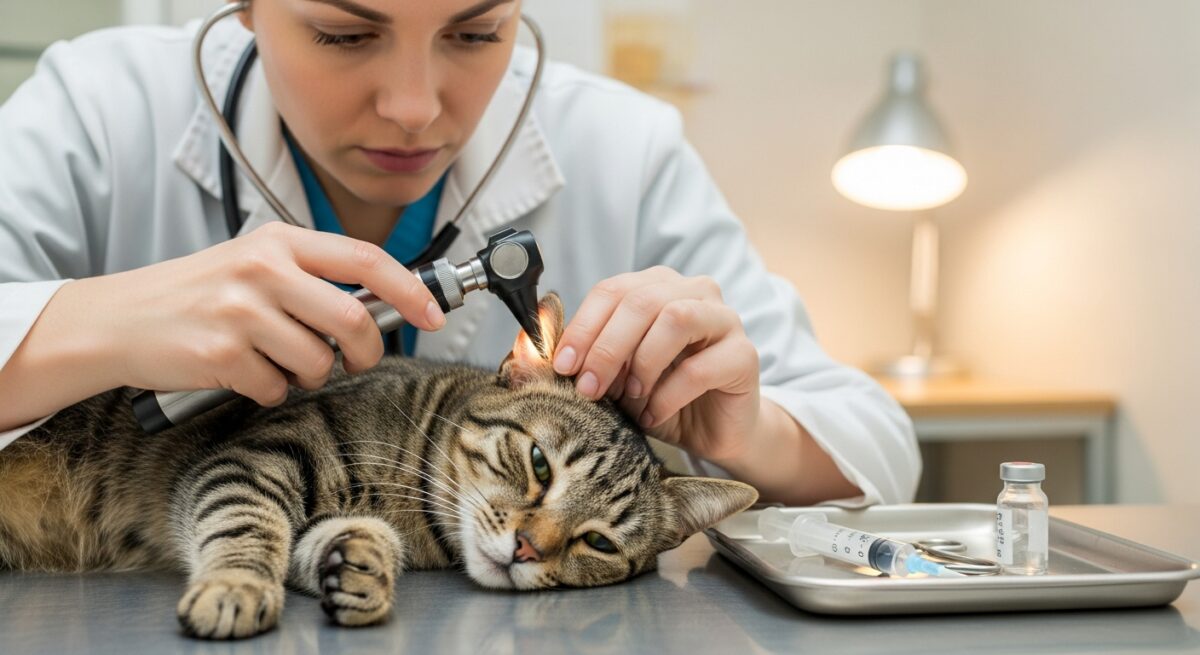
If you notice potential symptoms of Feline AIDS in your cat, a visit to your veterinarian is crucial. Diagnosis typically begins with a blood test that detects antibodies to FIV. It’s important to note that kittens born to infected mothers may test positive due to maternal antibodies without actually being infected, so retesting after six months is recommended. False positives and negatives can occur, so your vet may recommend additional testing or repeating the test in a few weeks if results are questionable. Once diagnosed, regular veterinary care becomes essential for managing the disease. This includes comprehensive physical exams every six months, routine blood work to monitor organ function and detect infections early, and prompt treatment of any secondary illnesses. Dental care is particularly important for FIV-positive cats, as dental disease can significantly impact their quality of life and overall health.
Managing a cat with FIV requires a comprehensive approach focused on supporting their immune system and preventing secondary infections. This includes keeping them strictly indoors to prevent exposure to pathogens and prevent transmission to other cats. Providing a high-quality, balanced diet supports overall health, while some veterinarians recommend supplements like omega-3 fatty acids or antioxidants. Stress reduction is crucial since stress can further compromise the immune system; maintain consistent routines and provide quiet resting areas. Regular parasite control prevents additional immune challenges from fleas, ticks, and worms. Prompt treatment of any minor illness or injury prevents small problems from becoming serious in an immunocompromised cat. For senior cats with multiple health concerns, understanding available support systems is helpful. Similar to how SLMB programs assist low-income Medicare beneficiaries, various assistance programs exist for pet owners facing veterinary care costs.
Living With an FIV-Positive Cat
An FIV diagnosis is not an immediate death sentence. With proper management, many cats live for years with good quality of life after diagnosis. The key is proactive care and vigilance. Monitor your cat closely for any changes in behavior, appetite, weight, or energy levels. Keep a health journal to track symptoms, which can help your veterinarian identify patterns or progression. Maintain a clean environment with regular litter box cleaning and disinfection of food and water bowls. Separate FIV-positive cats from FIV-negative cats in multi-cat households to prevent potential transmission, though casual transmission is rare. Focus on quality of life indicators: is your cat eating well, maintaining weight, engaging in normal activities, and free from significant pain or discomfort? Regular veterinary partnership is essential for adjusting care as the disease progresses. For those managing both pet health concerns and their own healthcare needs, understanding available resources is important. Just as recognizing early symptoms in human health leads to better outcomes, early detection in pets improves their prognosis significantly.
Frequently Asked Questions
Can FIV be transmitted to humans or other pets? No, Feline Immunodeficiency Virus is species-specific and only infects cats. It cannot be transmitted to humans, dogs, or other non-feline pets.
How long do cats with FIV typically live? With proper care and management, many FIV-positive cats live normal lifespans. The asymptomatic stage can last for years, and even after symptoms appear, good quality of life can be maintained for several years with appropriate veterinary care.
Should an FIV-positive cat be euthanized? Generally no, unless the cat is suffering from unmanageable pain or severe secondary illnesses that significantly impact quality of life. Most FIV-positive cats can enjoy good quality of life for years with proper care.
Is there a vaccine for FIV? A vaccine exists but is controversial. It doesn’t provide complete protection and can cause vaccinated cats to test positive on standard FIV tests, complicating diagnosis. The vaccine is not routinely recommended by most veterinary associations.
Can FIV-positive and negative cats live together? This is possible with precautions, but not ideal. Transmission requires deep bite wounds, not casual contact. If cats get along without fighting, risk is low. However, any fighting or rough play increases transmission risk significantly.
Caring for a cat with Feline Immunodeficiency Virus requires commitment, vigilance, and a strong partnership with your veterinarian. By recognizing the symptoms of Feline AIDS early and implementing a comprehensive management plan, you can provide your feline companion with the best possible quality of life for years to come. Regular veterinary care, a stable indoor environment, prompt treatment of secondary conditions, and close monitoring are the cornerstones of successful FIV management. Remember that each cat’s experience with FIV is unique, and with attentive care, many cats continue to thrive despite their diagnosis, offering years of companionship and joy to their families.
Medicare shouldn’t be confusing—get expert help at no cost. Visit NewMedicare.com or call 📞 (833) 203-6742.