What Causes AIDS and How HIV Affects the Immune System
Understanding what causes AIDS is fundamental to protecting yourself and others from this serious health condition. While the term AIDS is often used interchangeably with HIV, they represent different stages of the same infection. Acquired Immunodeficiency Syndrome (AIDS) is the final, most severe stage of infection with the Human Immunodeficiency Virus (HIV). The progression from HIV infection to AIDS is not inevitable; with modern medical care, people living with HIV can prevent the development of AIDS entirely. This article will explain the specific cause of AIDS, how it develops from HIV, the modes of transmission, and the critical importance of prevention and treatment.
The Direct Cause: HIV and Its Attack on the Immune System
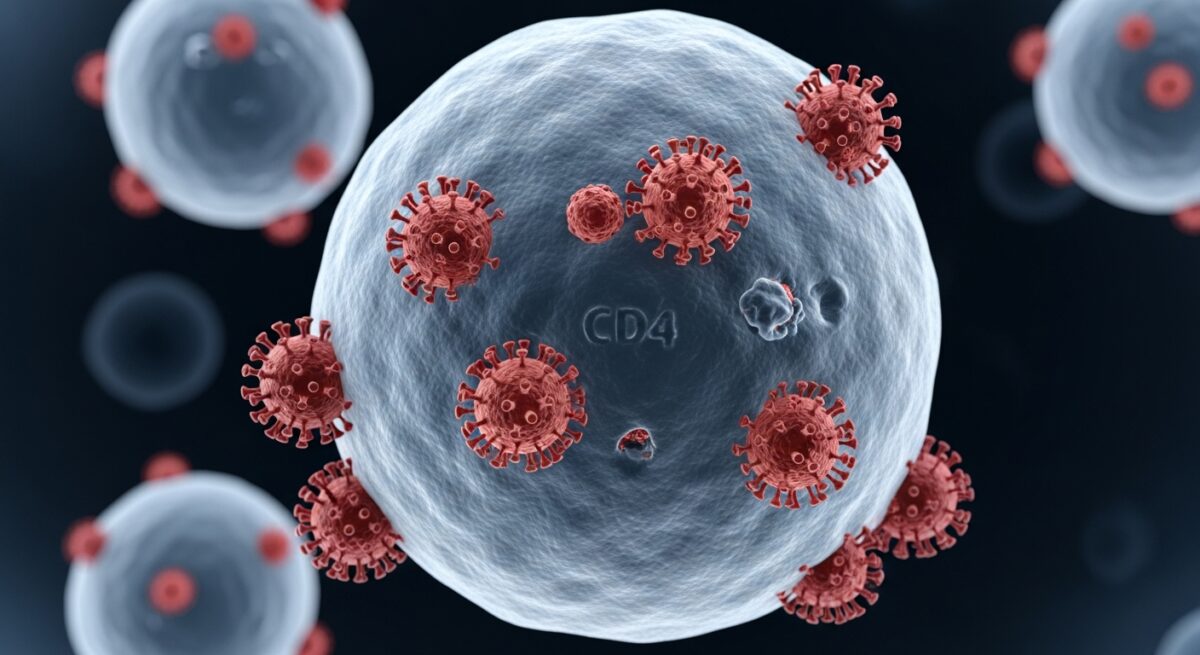
AIDS is caused by the Human Immunodeficiency Virus (HIV). This virus specifically targets and destroys a type of white blood cell called CD4 T-cells, which are the commanders of the immune system. These cells coordinate the body’s defense against infections and diseases. When HIV enters the body, it attaches to and fuses with CD4 cells, injecting its genetic material. The virus then hijacks the cell’s machinery to make copies of itself, eventually destroying the host cell and releasing new virus particles to infect more CD4 cells. This ongoing cycle leads to a gradual but profound depletion of the immune system’s vital soldiers.
As the number of CD4 cells declines, the body becomes increasingly vulnerable to opportunistic infections and certain cancers that a healthy immune system would normally fight off easily. AIDS is clinically diagnosed when a person’s CD4 cell count falls below 200 cells per cubic millimeter of blood (a healthy count is typically 500 to 1,600) or when they develop one or more opportunistic illnesses, regardless of their CD4 count. It is the damage HIV does to the immune system over time, not the virus itself, that leads to the life-threatening complications of AIDS.
How HIV is Transmitted: Understanding the Routes of Infection
For HIV to cause AIDS, the virus must first enter the bloodstream of an uninfected person. HIV is transmitted through specific bodily fluids that contain high concentrations of the virus. It is not spread through casual contact like hugging, shaking hands, or sharing utensils. Understanding these transmission routes is key to prevention.
The primary ways HIV is transmitted include:
- Unprotected Sexual Contact: This is the most common mode of transmission globally. HIV can be transmitted through vaginal, anal, or oral sex without a condom or other barrier method when one partner is living with HIV. The virus can enter the body through mucous membranes in the genitals, rectum, or mouth.
- Sharing Injection Drug Equipment: Sharing needles, syringes, or other equipment used to prepare or inject drugs can transmit HIV directly into the bloodstream.
- Mother-to-Child Transmission: An HIV-positive mother can pass the virus to her baby during pregnancy, childbirth, or breastfeeding. However, with proper antiretroviral treatment during pregnancy and delivery, the risk of transmission can be reduced to less than 1%.
- Exposure to Infected Blood: While rare in countries with modern medical standards, transmission can occur through blood transfusions or organ transplants from an HIV-positive donor. Healthcare workers may also be at risk through needlestick injuries.
It is crucial to note that HIV cannot be transmitted through saliva, sweat, tears, urine, or insects like mosquitoes. The virus does not survive long outside the human body. Focusing on the actual routes of transmission helps dispel stigma and directs prevention efforts effectively.
From HIV to AIDS: The Progression Without Treatment
Without effective medical treatment, HIV infection typically follows a progressive path that can culminate in AIDS. This journey occurs in distinct stages, though the timeline can vary significantly from person to person. The first stage, acute HIV infection, occurs 2-4 weeks after transmission. During this period, the virus replicates rapidly, and individuals may experience flu-like symptoms such as fever, rash, and swollen glands. The viral load in the blood is very high, making transmission risk particularly acute.
The infection then moves into the clinical latency stage, also known as chronic HIV infection. During this phase, which can last a decade or more, the virus continues to replicate at lower levels, often without causing symptoms. However, the silent attack on the immune system continues, and the CD4 count slowly declines. Finally, without intervention, the infection progresses to AIDS. At this stage, the severely damaged immune system can no longer defend the body. This leads to the development of opportunistic infections like Pneumocystis pneumonia, tuberculosis, and certain cancers such as Kaposi’s sarcoma. It is these secondary illnesses, enabled by the crippled immune defenses, that ultimately cause severe illness and death.
Prevention: How to Stop HIV and Thus Prevent AIDS
Since AIDS is caused by the advanced stages of untreated HIV infection, preventing HIV transmission is the absolute key to preventing AIDS. Modern prevention strategies are highly effective and multifaceted. Consistent and correct use of condoms during sex remains a cornerstone of prevention. For individuals at high risk, such as those with an HIV-positive partner, pre-exposure prophylaxis (PrEP) is a daily medication that reduces the risk of getting HIV from sex by about 99%.
For people who inject drugs, using sterile injection equipment every time and participating in syringe services programs are vital. If you are living with HIV, achieving and maintaining an undetectable viral load through antiretroviral therapy (ART) is a powerful prevention tool. An undetectable viral load means the amount of HIV in your blood is so low that it cannot be transmitted to sexual partners, a concept known as U=U (Undetectable = Untransmittable). Furthermore, post-exposure prophylaxis (PEP) is a short course of HIV medicines taken within 72 hours after a potential exposure to prevent the virus from taking hold. Regular testing is the gateway to all these strategies; knowing your status empowers you to seek treatment or take steps to protect yourself and others.
Treatment: Halting the Progression from HIV to AIDS
The most transformative advancement in the fight against AIDS has been the development of antiretroviral therapy (ART). While there is no cure for HIV yet, ART is highly effective at controlling the virus. These medications work by interfering with different stages of the HIV life cycle, preventing it from making copies of itself. When taken as prescribed, ART can reduce a person’s viral load to an undetectable level.
Reaching and maintaining an undetectable viral load accomplishes two critical things. First, it allows the immune system to recover and rebuild its CD4 cell count, preventing the progression to AIDS. A person on effective ART who maintains a normal CD4 count is considered to have HIV infection but not AIDS. Second, as mentioned, it eliminates the risk of sexually transmitting the virus to others. This makes treatment a core component of both individual health and public health prevention. Starting treatment as soon as possible after diagnosis is now the standard of care. For seniors navigating healthcare coverage for such essential treatments, understanding your Medicare options is crucial, as these plans often cover the medications and doctor visits necessary for managing chronic conditions like HIV.
Frequently Asked Questions
Can you get AIDS without having HIV?
No. AIDS is specifically defined as the late stage of HIV infection. You cannot develop AIDS without first being infected with the HIV virus.
How long does it take for HIV to cause AIDS?
Without treatment, the median time from HIV infection to an AIDS diagnosis is about 10-12 years. However, this varies widely; some may progress in just a few years, while others may live for decades without developing AIDS. With modern ART, progression to AIDS can be prevented entirely.
If I test positive for HIV, does it mean I have AIDS?
No. Testing positive means you have the HIV virus. An AIDS diagnosis is a separate clinical determination based on a very low CD4 count or the presence of specific opportunistic illnesses. Most people diagnosed with HIV today will never develop AIDS if they start and stay on treatment.
Are some people immune to HIV?
A very small percentage of people (mostly of Northern European descent) have a genetic mutation (CCR5-delta 32) that makes them highly resistant, but not completely immune, to the most common strain of HIV. This is exceedingly rare and not a basis for assuming immunity.
Where did HIV come from?
Scientific consensus indicates that HIV originated from a similar virus (SIV) found in chimpanzees in Central Africa. The virus likely crossed over to humans, mutated, and spread globally in the late 19th or early 20th century.
Understanding what causes AIDS demystifies the condition and highlights the clear path from infection to prevention and effective management. The chain of causation—from specific transmission events to viral replication to immune system collapse—is now well understood. This knowledge has directly led to the life-saving tools we have today: prevention methods that stop HIV at the door and treatments that stop it in its tracks. By focusing on education, testing, and access to care, the progression from HIV to AIDS can become a relic of the past. For comprehensive health and wellness support as you age, exploring resources like our guide on essential health aids for seniors can provide valuable information on maintaining your quality of life.
To learn more about prevention or to discuss testing and treatment options, contact 📞833-203-6742 or visit Learn About Prevention for confidential guidance.